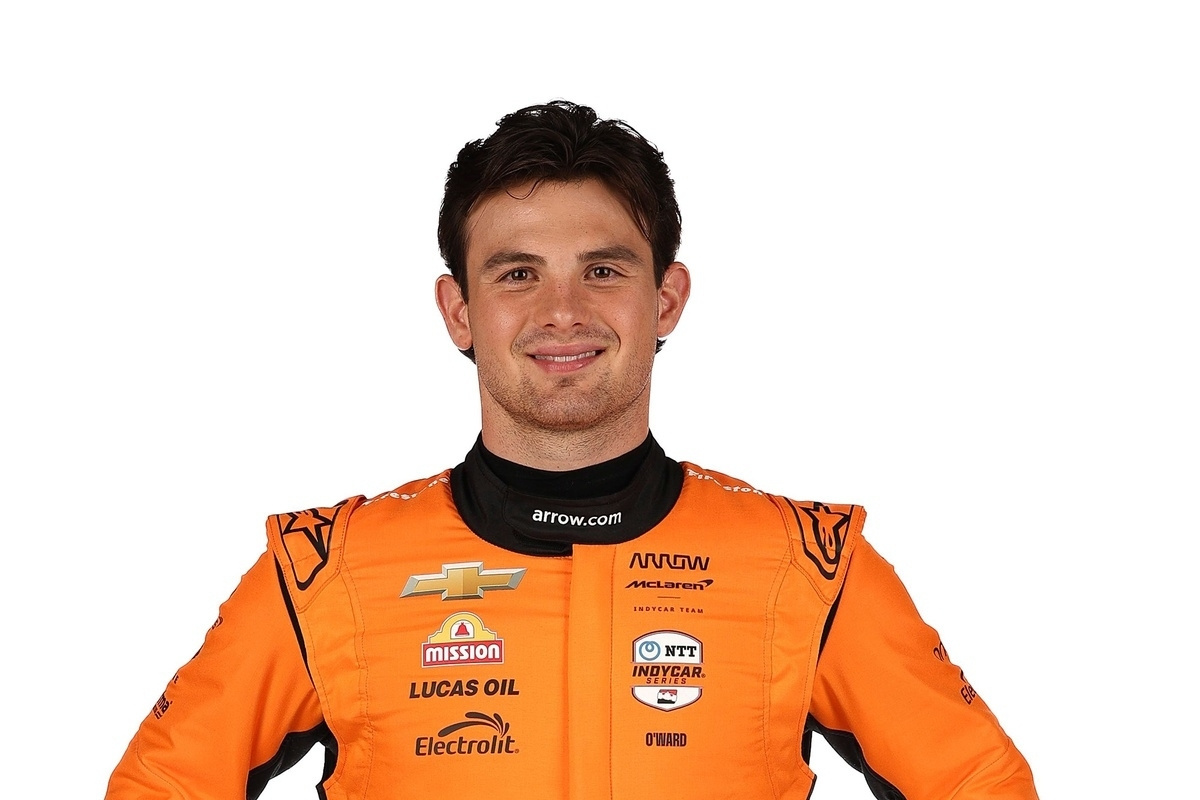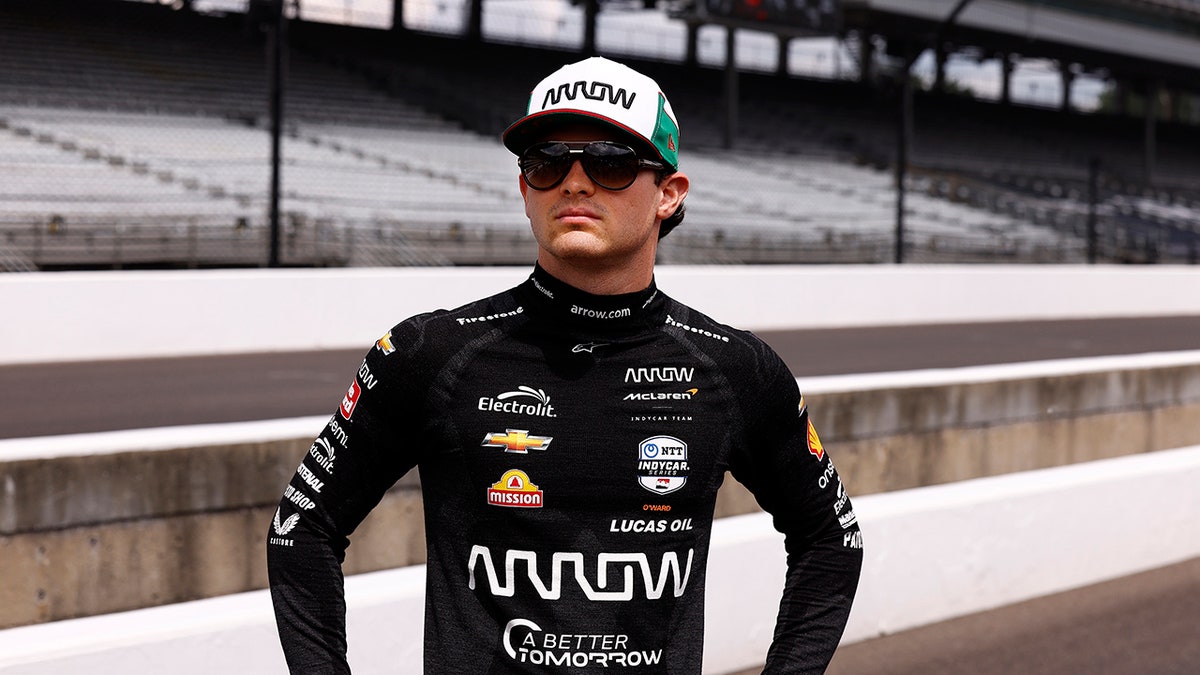
Behind The Wheel: Pato Oward Talks Strategy And Final Stint

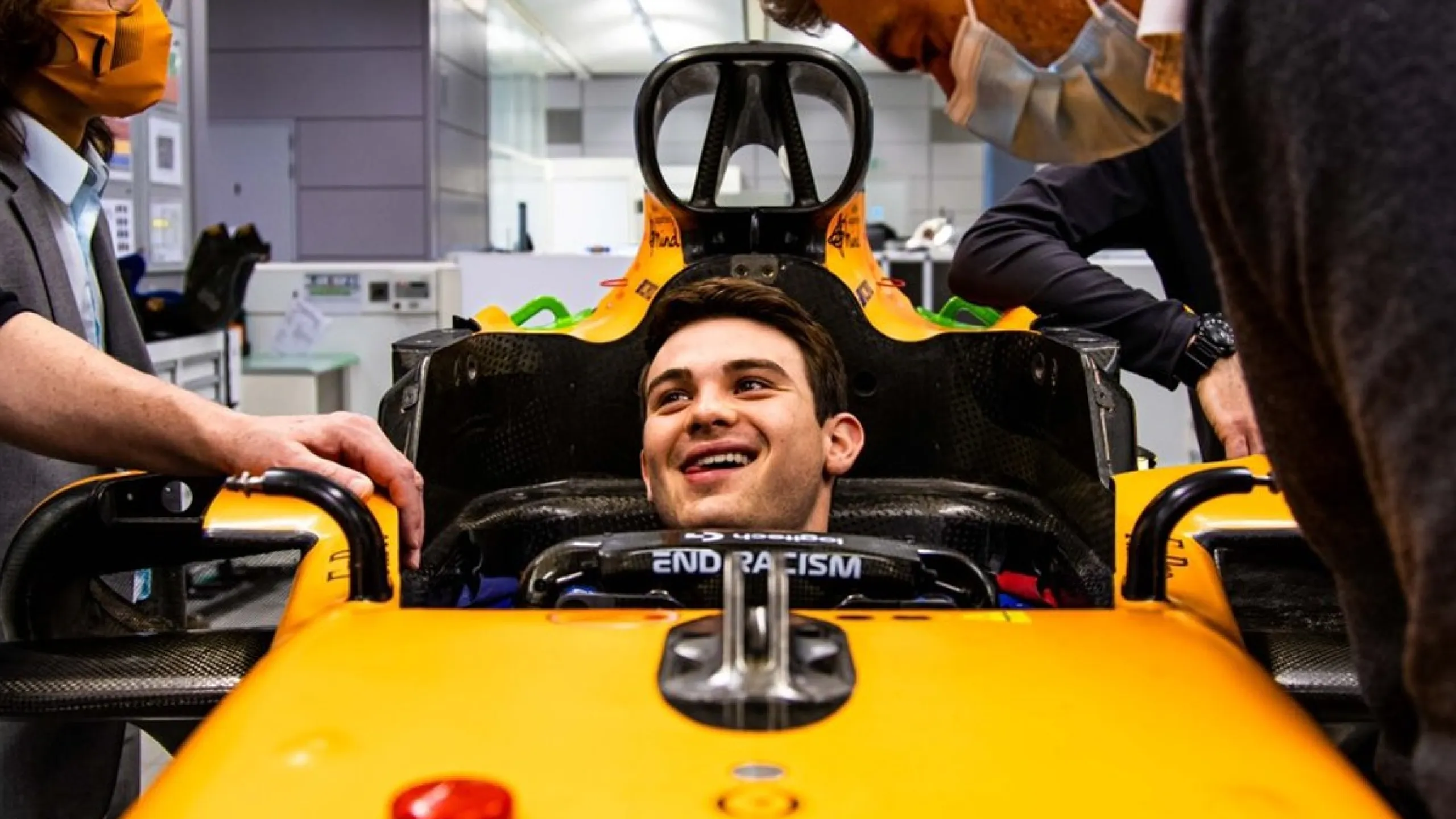
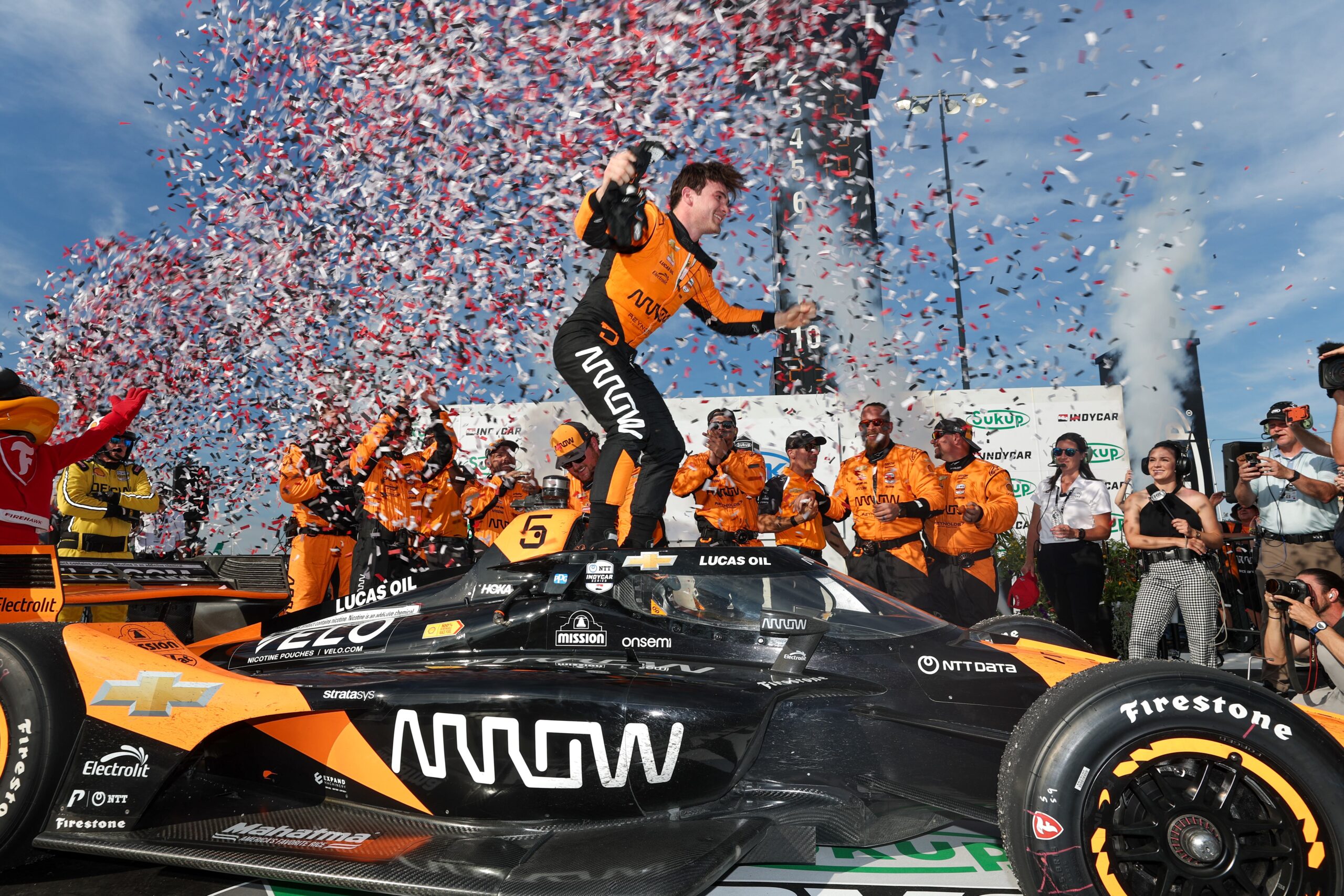
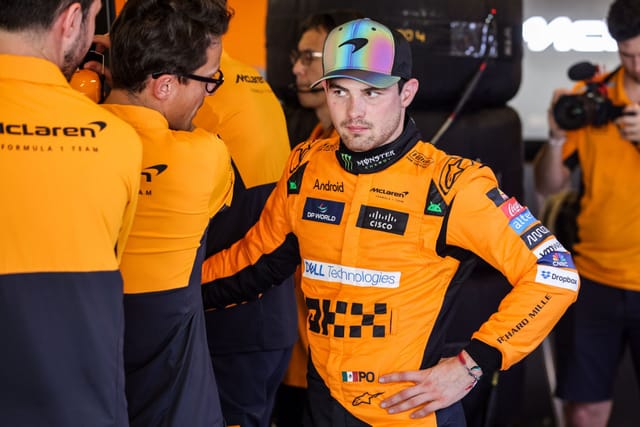
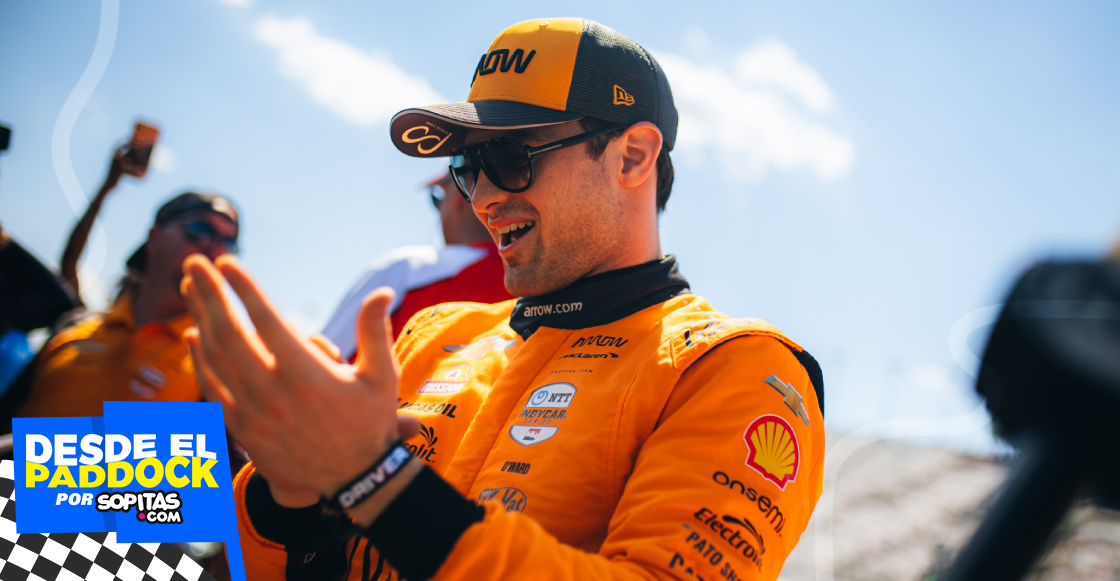
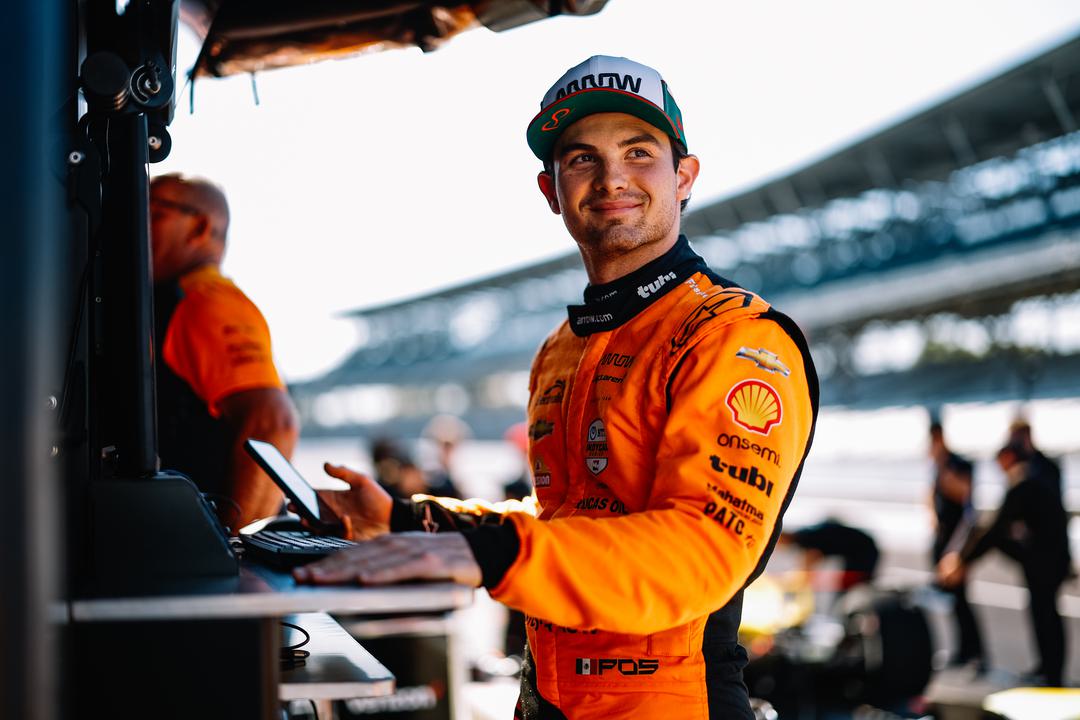
When it comes to driving, few individuals have spent as much time behind the wheel as Pato Oward, a seasoned racing veteran with years of experience under his belt. With a career spanning numerous tracks and competitions, Oward has honed his skills to become one of the most formidable drivers in the business. But what sets him apart from his peers? According to Oward, it's all about strategy and a deep understanding of the intricacies involved in the sport. By combining data analysis with a keen sense of biomechanics, Oward is able to optimize his performance and stay ahead of the competition.
But driving, whether professionally or personally, is not just about stepping on the gas and hoping for the best. It requires a complex interplay of cognitive functions, including attention, reaction time, and situational awareness. Moreover, the physical demands of driving, such as prolonged sitting and the need for precise motor control, can take a significant toll on the body. By understanding these factors and how they impact our daily lives, we can develop strategies to mitigate their effects and become better, more efficient drivers. This is where Oward's expertise comes in – by sharing his insights and experiences, we can gain a deeper appreciation for the science behind driving and how it affects us all.
At its core, driving is a complex system that involves the interaction of multiple components, including the driver, the vehicle, and the environment. By recognizing these components and how they interrelate, we can begin to develop a more nuanced understanding of the driving process and how to optimize it. For instance, ergonomics plays a critical role in reducing driver fatigue and improving overall performance. By adjusting the seating position, steering wheel angle, and other factors to fit the individual driver's needs, we can create a more comfortable and efficient driving experience. Similarly, visual perception is essential for navigating the road safely and effectively. By understanding how our brains process visual information and how to optimize our field of vision, we can reduce the risk of accidents and improve our overall driving skills.
Must Read
- Wednesday Season 3 Warning: Why Jenna Ortega Must Escape The Netflix Formula Trap!
- Jenna Ortega’s Wednesday Season 3: Will It Stick To The Formula Or Shock Fans Everywhere?
- Breaking The Rules: How Jenna Ortega's Wednesday Season 3 Could Completely Redefine Netflix
- Is The "netflix Formula" Ruining Wednesday Season 3? The Truth About Jenna Ortega's Next Chapter
- Forget The Classic Formula! Why Wednesday Season 3 Will Be Jenna Ortega's Darkest Yet
Biological and Chemical Reactions
When we drive, our bodies undergo a range of biological and chemical reactions that can impact our performance and safety on the road. For example, the hypothalamic-pituitary-adrenal (HPA) axis plays a critical role in regulating our stress response, which can be triggered by the physical and mental demands of driving. By understanding how the HPA axis functions and how to manage stress, we can reduce the risk of driver fatigue and improve our overall well-being. Additionally, the circadian rhythm can significantly impact our alertness and reaction time, with most people experiencing a natural dip in alertness during the early afternoon. By recognizing these patterns and scheduling our driving accordingly, we can minimize the risks associated with drowsy driving.
The neurological aspects of driving are also crucial, as they involve the complex interplay of neurotransmitters and brain regions that enable us to process information, make decisions, and react to our environment. For instance, the basal ganglia play a key role in regulating movement and coordination, while the prefrontal cortex is involved in executive functions such as planning and decision-making. By understanding how these systems function and how to optimize their performance, we can improve our driving skills and reduce the risk of accidents.
Furthermore, the endocrine system also plays a significant role in driving, as it regulates the release of

The physics of driving are also essential, as they involve the complex interplay of forces and energies that govern the motion of our vehicle. By understanding the principles of kinematics and dynamics, we can improve our driving skills and reduce the risk of accidents. For instance, friction plays a critical role in maintaining traction and control, while inertia can impact our ability to accelerate, brake, and turn. By recognizing these physical principles and how they apply to driving, we can develop strategies to optimize our performance and stay safe on the road.
Practical Strategies and Hacks
So how can we apply the insights and strategies discussed above to our own driving? One key approach is to focus on optimization, which involves identifying areas for improvement and developing targeted solutions to address them. For example, route planning can help us avoid congested roads and reduce our overall driving time, while vehicle maintenance can ensure that our car is running smoothly and efficiently. Additionally, driver training programs can provide us with the skills and knowledge we need to improve our driving skills and reduce the risk of accidents.
Another key strategy is to prioritize self-care, which involves taking care of our physical, emotional, and mental well-being. By getting enough sleep, exercising regularly, and managing stress, we can improve our overall health and resilience, which can in turn improve our driving performance. Additionally, nutrition plays a critical role in maintaining our energy levels and focus, while relaxation techniques such as meditation and deep breathing can help us manage stress and stay calm behind the wheel.

We can also use technology to our advantage, such as GPS navigation systems that provide us with real-time traffic updates and turn-by-turn directions. Additionally, driver assistance systems such as lane departure warning and blind spot detection can help us stay safe on the road by alerting us to potential hazards. By leveraging these technologies and combining them with our own skills and knowledge, we can become more efficient, effective, and safe drivers.
Finally, mindfulness is also essential, as it involves being fully present and engaged in the driving process. By paying attention to our surroundings, anticipating potential hazards, and staying focused on the road, we can reduce the risk of accidents and improve our overall driving experience. Additionally, reflection and self-awareness can help us identify areas for improvement and develop targeted strategies to address them, which can in turn improve our driving skills and reduce the risk of accidents.
Frequently Asked Questions
What are the most common causes of driver fatigue, and how can I avoid them?
Driver fatigue is a major concern for drivers, as it can significantly impact our reaction time, judgment, and overall performance. The most common causes of driver fatigue include lack of sleep, circadian rhythm disorders, and physical or mental exhaustion. To avoid driver fatigue, it's essential to get enough sleep, establish a consistent sleep schedule, and take regular breaks during long drives. Additionally, staying hydrated, eating a healthy diet, and engaging in regular exercise can help improve our overall energy levels and reduce the risk of fatigue.

Another key strategy is to recognize the warning signs of driver fatigue, such as blurred vision, headaches, and difficulty concentrating. If we experience any of these symptoms, it's essential to pull over and take a break, as driving while fatigued can be extremely dangerous. By prioritizing our safety and well-being, we can reduce the risk of accidents and arrive at our destination feeling alert, focused, and refreshed.
How can I improve my driving skills and reduce the risk of accidents?
Improving our driving skills and reducing the risk of accidents requires a combination of knowledge, practice, and attitude. One key approach is to focus on defensive driving, which involves anticipating potential hazards and taking steps to avoid them. This can include scanning the road for potential hazards, maintaining a safe following distance, and being aware of our surroundings. Additionally, staying calm and focused can help us react more quickly and effectively in emergency situations.
Another key strategy is to stay up-to-date with the latest driving techniques and technologies. This can include taking a driver's education course, practicing driving in different conditions, and staying informed about the latest vehicle safety features. By combining these approaches and staying committed to our safety and well-being, we can reduce the risk of accidents and become more confident, competent drivers.
What are the most important factors to consider when purchasing a new vehicle, and how can I ensure that I'm getting the best value for my money?
When purchasing a new vehicle, there are several key factors to consider, including safety features, fuel efficiency, and reliability. Additionally, comfort, performance, and warranty should also be taken into account. To ensure that we're getting the best value for our money, it's essential to research different models, read reviews, and compare prices. We should also test drive different vehicles to get a sense of how they handle and perform on the road.
Another key strategy is to consider our lifestyle and driving habits when selecting a vehicle. For example, if we have a large family, we may need a vehicle with ample seating capacity and storage space. If we commute long distances, we may prioritize fuel efficiency and comfort. By taking the time to carefully evaluate our needs and priorities, we can find a vehicle that meets our requirements and provides us with the best possible value for our money.
In conclusion, driving is a complex process that involves the interplay of multiple factors, including biology, physics, and technology. By understanding these factors and how they impact our daily lives, we can develop strategies to optimize our performance, reduce the risk of accidents, and improve our overall well-being. Whether we're professional drivers like Pato Oward or simply commuting to work, we can all benefit from a deeper appreciation of the science behind driving and a commitment to safer, more efficient driving practices.
By respecting the science behind driving and taking a data-driven approach to our daily lives, we can become more efficient, effective, and safe drivers. We can also reduce our environmental impact, improve our physical and mental health, and enhance our overall quality of life. Whether we're on the road or off, the principles of optimization, self-care, and mindfulness can help us achieve our goals and live more fulfilling lives. By embracing these principles and staying committed to our safety and well-being, we can become better, more efficient humans – both on and off the road.