
Bonnie Blue Onlyfans Leak Sparks Heated Debate On Celebrity Privacy And Online Security

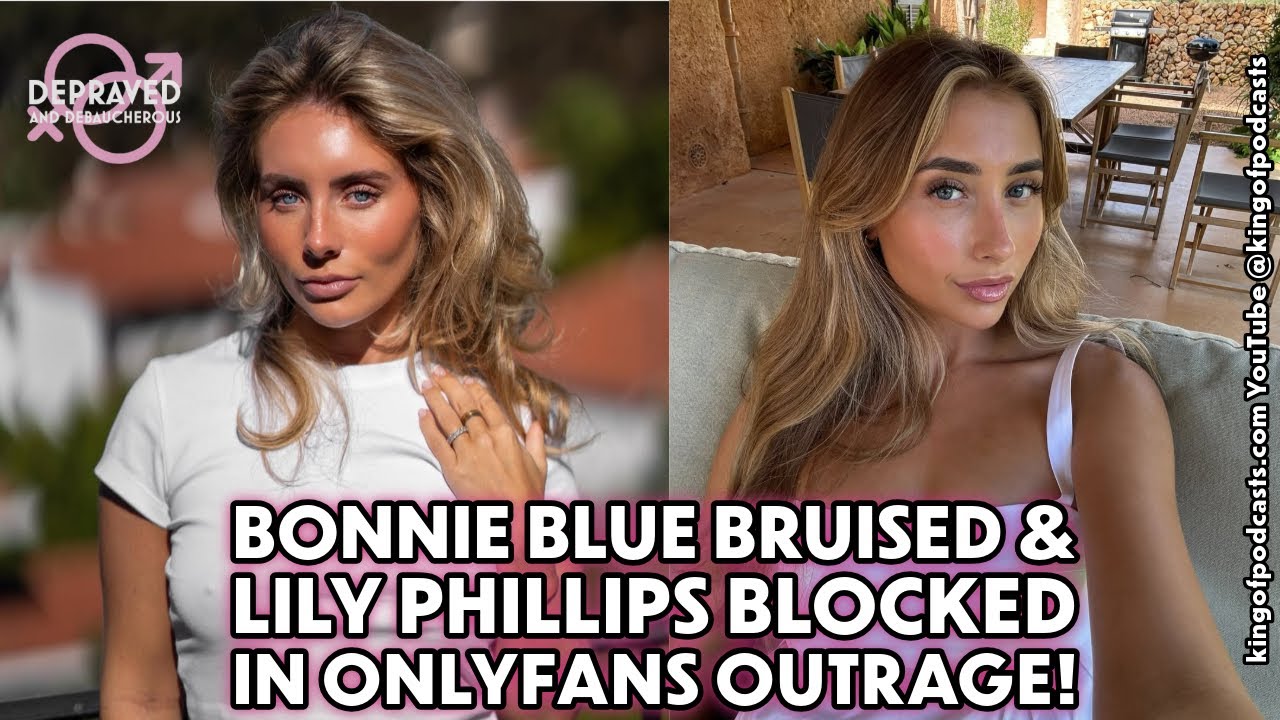
The world of celebrity culture and online security has been shaken to its core with the recent leak of Bonnie Blue's OnlyFans content. This high-profile incident has sparked a heated debate on the importance of celebrity privacy and the measures that can be taken to protect it in the digital age. As we delve into the details of this controversy, it's essential to understand the history behind it. The concept of celebrity privacy has been a topic of discussion for decades, with the rise of social media and online platforms making it increasingly difficult for public figures to maintain their private lives.
One of the most significant factors contributing to the erosion of celebrity privacy is the 24-hour news cycle and the constant demand for content. With the advent of social media, fans and followers can access their favorite celebrities' lives in real-time, often blurring the lines between their public and private personas. This has led to a culture of oversharing, where celebrities feel pressured to share intimate details about their lives to maintain their public image. However, this can come at a significant cost, as we've seen in the case of Bonnie Blue, where a single leak can have devastating consequences.
The leak of Bonnie Blue's OnlyFans content has also raised questions about online security and the measures that can be taken to protect sensitive information. As we become increasingly reliant on digital platforms for entertainment, communication, and even financial transactions, the risk of data breaches and leaks becomes more pronounced. This incident serves as a stark reminder of the importance of prioritizing online security and taking proactive steps to safeguard our personal information. In the following sections, we'll explore the complexities of celebrity privacy, online security, and the cultural implications of this controversy.
Must Read
- Wednesday Season 3 Warning: Why Jenna Ortega Must Escape The Netflix Formula Trap!
- Jenna Ortega’s Wednesday Season 3: Will It Stick To The Formula Or Shock Fans Everywhere?
- Breaking The Rules: How Jenna Ortega's Wednesday Season 3 Could Completely Redefine Netflix
- Is The "netflix Formula" Ruining Wednesday Season 3? The Truth About Jenna Ortega's Next Chapter
- Forget The Classic Formula! Why Wednesday Season 3 Will Be Jenna Ortega's Darkest Yet
Unpacking the Controversy
As we examine the circumstances surrounding the Bonnie Blue OnlyFans leak, it's essential to consider the psychological aspects of this controversy. The incident has sparked a heated debate about the blurred lines between public and private lives and the consequences of sharing intimate content online. On one hand, celebrities like Bonnie Blue have built their careers on their online presence, often using platforms like OnlyFans to connect with fans and share exclusive content. However, this can create a false sense of security, as the leak of sensitive information can have severe repercussions on their mental health and well-being.
Another critical aspect of this controversy is the cultural impact of celebrity privacy breaches. The leak of Bonnie Blue's OnlyFans content has sparked a wider conversation about the objectification of women and the commodification of intimacy. This incident highlights the darker side of celebrity culture, where public figures are often reduced to their physical appearance and private lives are scrutinized for the sake of entertainment. As we navigate this complex issue, it's crucial to consider the power dynamics at play and the ways in which we can promote a more nuanced understanding of celebrity privacy and online security.
As we delve deeper into the world of celebrity culture and online security, it's interesting to note the dark facts surrounding the Bonnie Blue leak. For instance, the incident has been linked to a coordinated cyberattack, highlighting the sophisticated nature of modern-day cybercrimes. This has significant implications for our understanding of online security and the measures that can be taken to prevent such incidents in the future. Moreover, the leak has also sparked a conversation about the ethics of online content sharing, raising questions about the responsibility of platforms like OnlyFans to protect their users' sensitive information.

The controversy surrounding the Bonnie Blue leak has also shed light on the reality of online fame. As we increasingly rely on digital platforms for entertainment and connection, the boundaries between public and private lives become increasingly blurred. This can create a pressure to constantly produce content, often at the expense of one's mental health and well-being. The leak of Bonnie Blue's OnlyFans content serves as a stark reminder of the risks associated with online fame and the importance of prioritizing one's private life in the face of intense public scrutiny.
Navigating the Complexities of Celebrity Privacy and Online Security
To better understand the complexities of celebrity privacy and online security, let's consider the case of Emma Watson, who has been a vocal advocate for online privacy and cybersecurity. In a recent interview, Watson highlighted the importance of being mindful of one's online presence and taking proactive steps to protect sensitive information. This includes using two-factor authentication, being cautious of phishing scams, and regularly updating passwords. By taking these measures, individuals can significantly reduce the risk of data breaches and leaks, safeguarding their private lives in the process.
Another critical aspect of navigating celebrity privacy and online security is platform accountability. In the wake of the Bonnie Blue leak, OnlyFans has faced intense scrutiny for its handling of user data and security protocols. This incident highlights the need for platforms to prioritize user security and take proactive steps to prevent data breaches. By implementing robust security measures, such as end-to-end encryption and regular security audits, platforms can ensure that users' sensitive information is protected and their private lives are respected.

As we explore the complexities of celebrity privacy and online security, it's also essential to consider the role of social media in this controversy. Social media platforms like Twitter and Instagram have been criticized for their handling of sensitive information, with many users expressing concerns about the lack of transparency surrounding data collection and storage. To mitigate these risks, individuals can take steps to limit their online presence, using features like private profiles and content filters to control who can access their information.
In addition to these measures, it's crucial to promote a culture of digital literacy, where individuals are educated about the risks associated with online platforms and the steps they can take to protect their private lives. This includes being aware of online scams, phishing tactics, and malware threats, as well as taking proactive steps to update software and use antivirus programs. By promoting digital literacy, we can empower individuals to take control of their online presence and protect their sensitive information in the face of increasingly sophisticated cyber threats.
FAQs and Takeaways
What are the implications of the Bonnie Blue leak for celebrity privacy and online security?
The Bonnie Blue leak has significant implications for celebrity privacy and online security, highlighting the need for increased vigilance and proactive measures to protect sensitive information. As we've seen in this incident, a single leak can have devastating consequences, damaging not only the celebrity's reputation but also their mental health and well-being. To mitigate these risks, it's essential to prioritize online security and take steps to safeguard private lives, including using two-factor authentication, being cautious of phishing scams, and regularly updating passwords.
In the wake of this incident, it's crucial to consider the broader cultural implications of celebrity privacy breaches. The leak of Bonnie Blue's OnlyFans content has sparked a conversation about the objectification of women and the commodification of intimacy, highlighting the need for a more nuanced understanding of celebrity culture and online security. By promoting a culture of digital literacy and online responsibility, we can work towards creating a safer and more respectful online environment for all users.

How can individuals protect their private lives in the face of intense public scrutiny?
To protect their private lives, individuals can take several steps, including being mindful of their online presence and taking proactive measures to safeguard sensitive information. This includes using private profiles and content filters to control who can access their information, as well as being cautious of phishing scams and online threats. Additionally, individuals can promote a culture of digital literacy by educating themselves and others about the risks associated with online platforms and the steps that can be taken to mitigate these risks.
By prioritizing online security and taking proactive steps to protect private lives, individuals can reduce the risk of data breaches and leaks, safeguarding their reputation and well-being in the process. This includes being aware of online scams, phishing tactics, and malware threats, as well as taking steps to update software and use antivirus programs. By promoting a culture of online responsibility and digital literacy, we can create a safer and more respectful online environment for all users.
What can be done to prevent similar incidents in the future?
To prevent similar incidents in the future, it's essential to promote a culture of digital literacy and online responsibility. This includes educating individuals about the risks associated with online platforms and the steps that can be taken to mitigate these risks. Additionally, platforms like OnlyFans must prioritize user security and take proactive steps to prevent data breaches, implementing robust security measures like end-to-end encryption and regular security audits.
By working together to promote a culture of online responsibility and digital literacy, we can reduce the risk of data breaches and leaks, safeguarding private lives and protecting sensitive information. This includes being mindful of online presence and taking proactive steps to safeguard sensitive information, as well as promoting a culture of digital literacy and online responsibility. By prioritizing online security and taking proactive steps to protect private lives, we can create a safer and more respectful online environment for all users.
The Bonnie Blue leak has sparked a heated debate about the importance of celebrity privacy and online security, highlighting the need for increased vigilance and proactive measures to protect sensitive information. As we navigate the complexities of this controversy, it's essential to consider the cultural implications of celebrity privacy breaches and the ways in which we can promote a more nuanced understanding of celebrity culture and online security.
One of the most significant takeaways from this incident is the importance of digital literacy and online responsibility. By promoting a culture of digital literacy, we can empower individuals to take control of their online presence and protect their sensitive information in the face of increasingly sophisticated cyber threats. This includes being aware of online scams, phishing tactics, and malware threats, as well as taking steps to update software and use antivirus programs.
In conclusion, the Bonnie Blue leak serves as a stark reminder of the importance of prioritizing celebrity privacy and online security in the digital age. By promoting a culture of digital literacy and online responsibility, we can reduce the risk of data breaches and leaks, safeguarding private lives and protecting sensitive information. As we move forward in this complex and ever-evolving landscape, it's essential to remain vigilant and proactive, taking steps to protect our online presence and promote a safer and more respectful online environment for all users.