Hope Solo Leaked Nudes

The world of celebrity scandals and leaks has been a long-standing part of modern pop culture, with the rise of social media and the internet making it easier for private information to become public. One such incident that garnered significant attention was the Hope Solo leaked nudes scandal. Hope Solo, a renowned American soccer goalkeeper, found herself at the center of a media storm when her private images were leaked online. This event, while unfortunate, serves as a stark reminder of the fragility of privacy in the digital age.
Historically, celebrity privacy has been a contentious issue, with the media and the public often walking a thin line between freedom of information and invasion of privacy. The Hope Solo leaked nudes incident is one of many examples where this line has been crossed, leading to widespread debate about ethical journalism and the responsibility of media outlets in handling sensitive information. The discussion extends beyond the realm of celebrity culture, touching on broader issues of internet security, data protection, and the psychological impact on individuals whose privacy has been compromised.
Today, the topic remains relevant due to the ever-evolving nature of the internet and the perpetual demand for celebrity news. The ease with which information can be shared, coupled with the lack of stringent privacy laws in many jurisdictions, leaves both celebrities and the general public vulnerable to privacy breaches. The Hope Solo leaked nudes incident serves as a cautionary tale about the importance of vigilance in the digital age, highlighting the need for awareness and education on privacy protection and the ethical use of technology.
Must Read
- Wednesday Season 3 Warning: Why Jenna Ortega Must Escape The Netflix Formula Trap!
- Jenna Ortega’s Wednesday Season 3: Will It Stick To The Formula Or Shock Fans Everywhere?
- Breaking The Rules: How Jenna Ortega's Wednesday Season 3 Could Completely Redefine Netflix
- Is The "netflix Formula" Ruining Wednesday Season 3? The Truth About Jenna Ortega's Next Chapter
- Forget The Classic Formula! Why Wednesday Season 3 Will Be Jenna Ortega's Darkest Yet
The Cultural Impact and Psychological Aspects
The incident involving Hope Solo's leaked nudes has significant cultural and psychological implications. Culturally, it speaks to the obsession with celebrity culture and the double standards applied to public figures, where the private lives of celebrities are subject to intense scrutiny and voyeurism. This phenomenon can be attributed to the human nature of curiosity and the way technology facilitates access to information that would otherwise remain private.
Psychologically, the impact on the individual whose privacy has been violated cannot be overstated. Emotional distress, anxiety, and depression are common outcomes, as the violation of privacy can lead to feelings of vulnerability and helplessness. The far-reaching consequences of such incidents underscore the need for empathy and understanding in addressing the mental health impacts of privacy breaches.
The leaked nudes scandal also sheds light on the gender dynamics at play in the public's response to such incidents. Often, there is a double standard in how male and female celebrities are treated, with female celebrities facing intensified scrutiny and blame. This highlights broader societal issues related to gender equality and the objectification of women, where the privacy and dignity of female public figures are frequently disrespected.
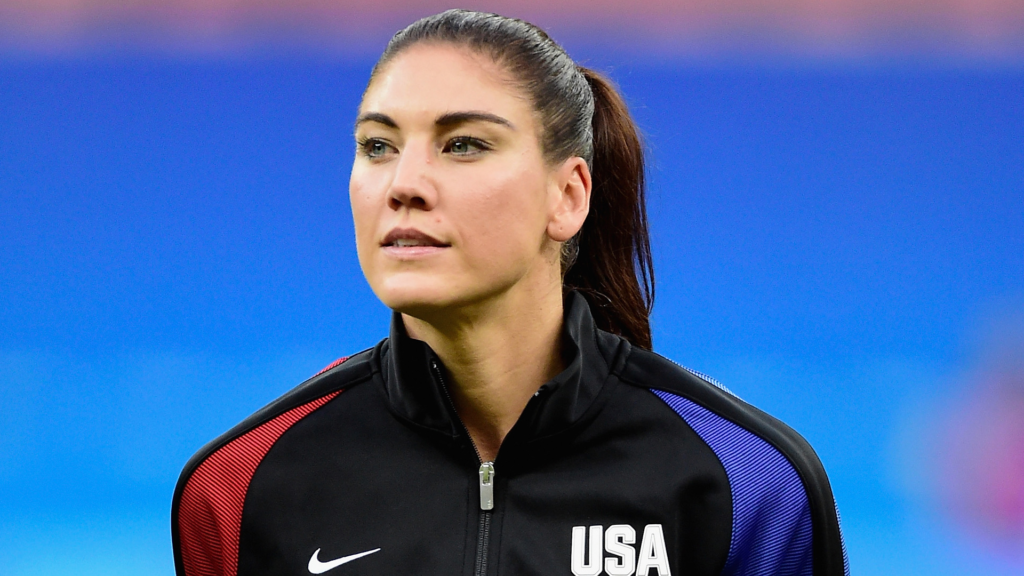
In exploring the cultural and psychological dimensions of the Hope Solo leaked nudes incident, it becomes clear that the issue extends far beyond the individual case, reflecting and influencing societal attitudes towards privacy, gender, and technology. The cultural narrative surrounding privacy violations must evolve to prioritize empathy, understanding, and a commitment to protecting privacy in the digital age.
Practical Insights and Actionable Takeaways
The Hope Solo leaked nudes scandal offers several practical lessons for both celebrities and the general public. Firstly, it highlights the importance of digital security and the need for vigilance in protecting personal information online. This includes using secure passwords, enabling two-factor authentication, and being cautious with email phishing scams and other forms of cyber attacks.
Secondly, it emphasizes the value of privacy settings on social media and other online platforms. By understanding and properly configuring these settings, individuals can significantly reduce the risk of their personal information being accessed without consent. Furthermore, being mindful of the company you keep online and the content you share can also mitigate the risk of privacy breaches.
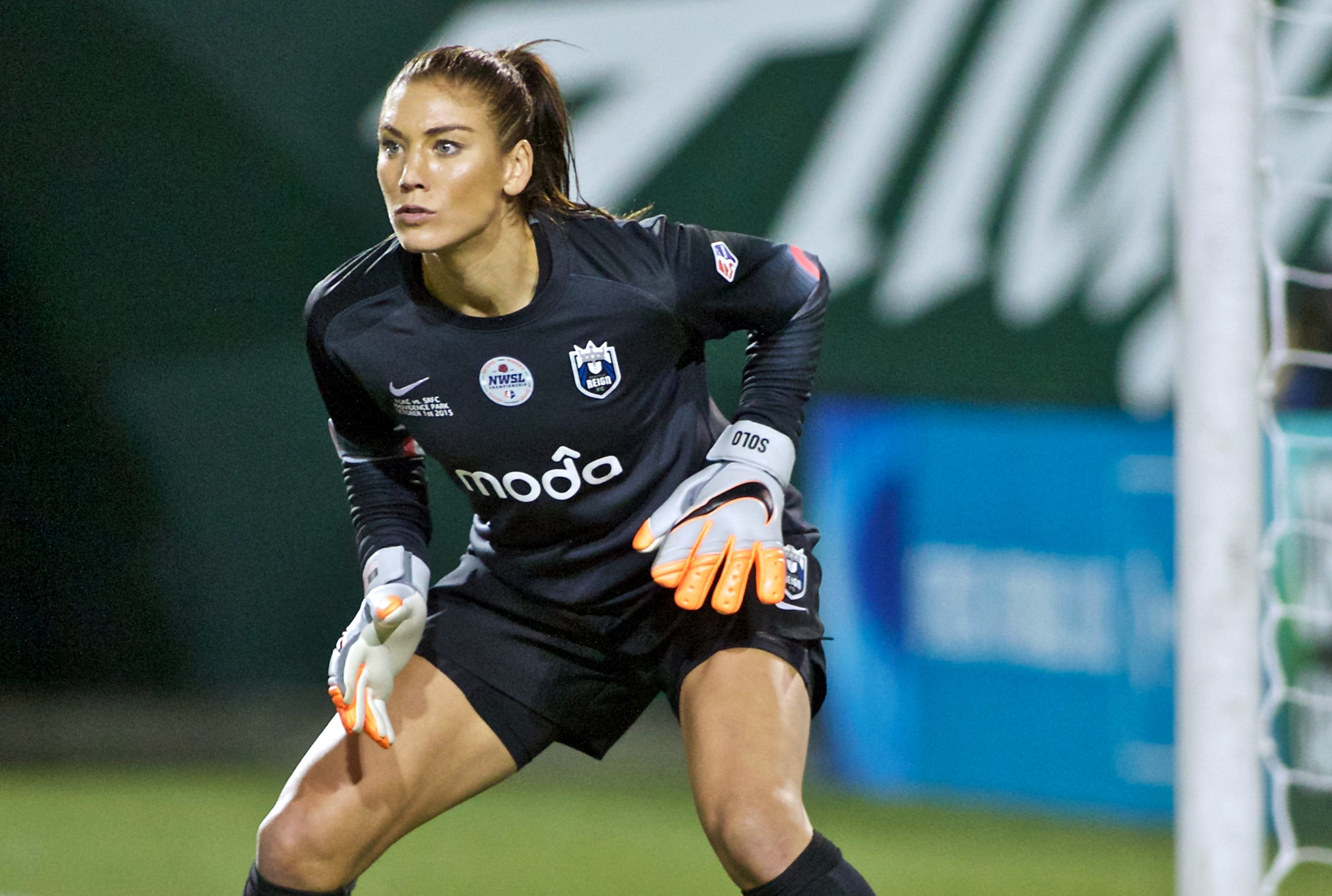
For celebrities and public figures, the incident underscores the need for professional management of their online presence, including social media monitoring and reputation management services. These tools can help in identifying and addressing potential privacy threats early on, thereby protecting their reputation and privacy.
In conclusion, the Hope Solo leaked nudes scandal serves as a call to action for enhanced privacy protection and digital literacy. By adopting best practices for online security and advocating for stricter privacy laws, we can work towards creating a safer and more respectful digital environment for all. This includes supporting victims of privacy breaches and fostering a culture of empathy and understanding in the face of such violations.
Frequently Asked Questions
What are the legal implications of leaking private images without consent?
The legal implications of leaking private images without consent are severe and vary by jurisdiction. In many countries, such actions are considered a violation of privacy laws and can lead to criminal charges, including those related to invasion of privacy, defamation, and emotional distress. Perpetrators can face monetary fines, community service, and even imprisonment. Additionally, victims of such leaks may pursue civil lawsuits against the perpetrators, seeking damages for emotional distress and other related harms.
It's also worth noting that revenge porn laws, which specifically address the distribution of intimate images without consent, are becoming increasingly common. These laws aim to protect victims and hold perpetrators accountable for their actions, acknowledging the severe psychological impact such violations can have on individuals. As such, it's crucial for individuals to understand their rights and the legal recourse available to them in the event of a privacy breach.

How can individuals protect themselves from privacy breaches in the digital age?
Protecting oneself from privacy breaches in the digital age requires a combination of awareness, precaution, and action. Firstly, individuals should be cautious with the information they share online, avoiding the publication of sensitive personal details on social media and other public platforms. Using strong, unique passwords and enabling two-factor authentication can also significantly enhance account security, making it more difficult for hackers to gain unauthorized access.
Secondly, regularly updating software and apps ensures that devices and accounts have the latest security patches, reducing vulnerabilities that could be exploited by hackers. Furthermore, being vigilant about phishing scams and other forms of cyber attacks is crucial, as these are common methods used to compromise privacy. By educating themselves on best practices for digital security and staying informed about the latest privacy threats, individuals can better protect their privacy in the digital age.
What role does social media play in privacy breaches, and how can platforms better protect users?
Social media plays a significant role in privacy breaches, as these platforms are often the primary channels through which private information is shared and potentially compromised. The vast amount of personal data collected and stored by social media companies makes them attractive targets for hackers. Moreover, the public nature of social media means that any information shared, even if intended to be private, can quickly become public if not properly secured.
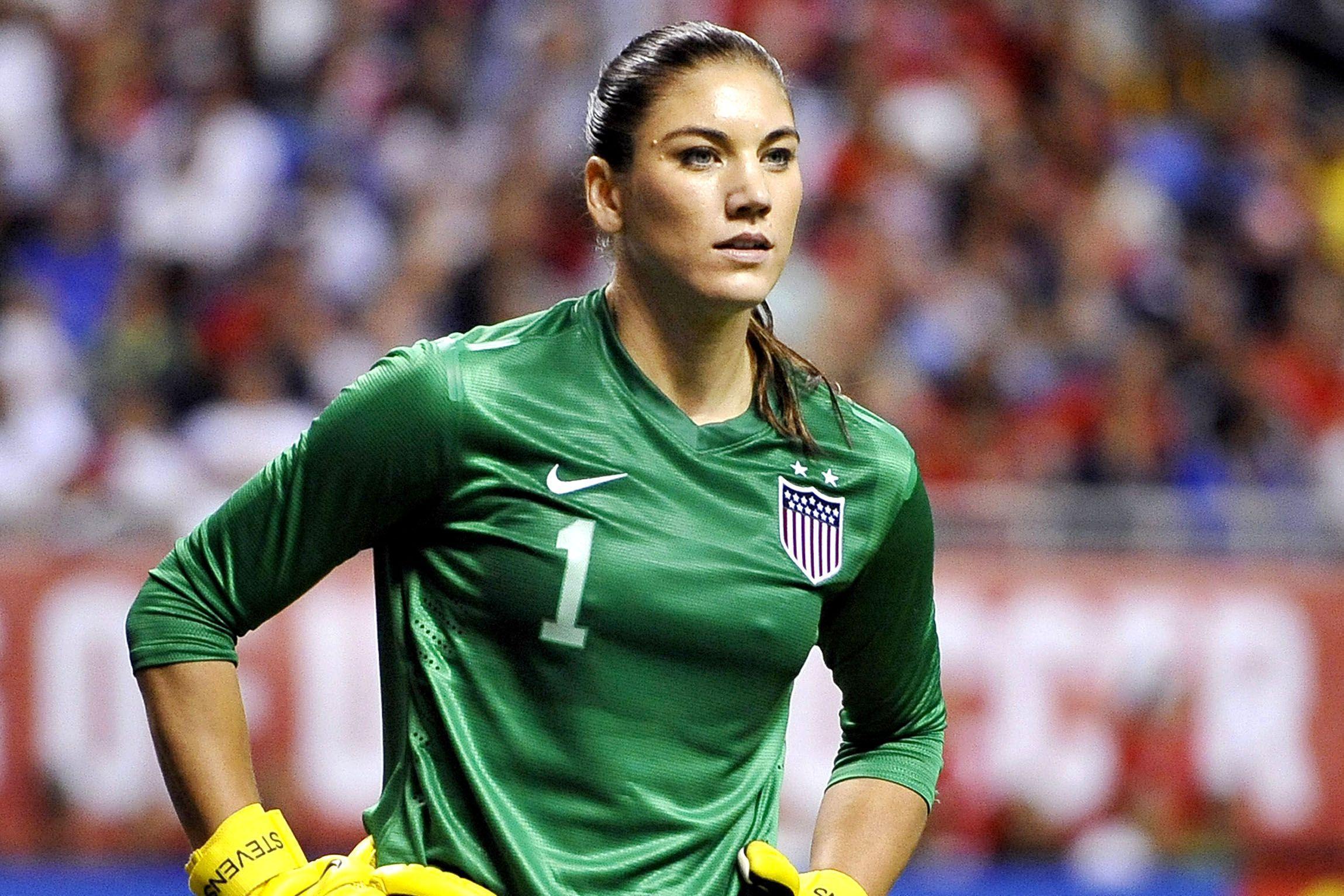
To better protect users, social media platforms can implement stringent privacy settings by default, ensuring that users have to opt-in to share more information rather than opting out. Enhancing security measures, such as end-to-end encryption for messaging services, can also protect user communications from interception. Furthermore, educational campaigns about online privacy and security can empower users to make informed decisions about their digital footprint, reducing the risk of privacy breaches. By taking these steps, social media platforms can demonstrate a commitment to user privacy and help foster a safer online environment.
The Hope Solo leaked nudes incident, while unfortunate, serves as a vehicle for discussion about the broader issues of privacy, technology, and cultural attitudes towards celebrity and gender. It reminds us of the importance of empathy and understanding in addressing privacy breaches and the need for continued conversation about how we can protect privacy in the digital age.
As we navigate the complexities of the digital world, it's crucial to recognize that privacy is a fundamental right that must be respected and protected. The onus is on individuals, corporations, and governments to work together in promoting digital literacy, advocating for stricter privacy laws, and supporting victims of privacy breaches. By doing so, we can foster a culture of privacy and respect that benefits everyone.
In reflecting on how this topic connects to our daily lives and human nature, it becomes apparent that the desire for connection and information must be balanced with the need for privacy and security. As we look to the future, it's essential that we prioritize education and awareness about digital privacy, encouraging a global conversation about the importance of protecting this fundamental right in the face of advancing technology and evolving societal norms.
.jpg?auto=webp&format=pjpg&width=3840&quality=60)
:max_bytes(150000):strip_icc():focal(745x168:747x170)/hope-solo-SheBelieves-Cup-090324-tout-534c184e0ced49708247b891b757ad83.jpg)