How To Get Around Age Verification
As we navigate the complexities of our digital lives, it's becoming increasingly common to encounter age verification processes. These checks are designed to prevent minors from accessing certain websites, products, or services, but they can also have a profound impact on our mental and emotional well-being. For many of us, being asked to prove our age can be a frustrating and humiliating experience, especially if we're unsure about how to comply or feel like we're being judged. This reaction is rooted in our brain's natural response to perceived threats to our identity and autonomy.
Our brains are wired to respond to threats, whether they're physical, emotional, or social. When we're asked to verify our age, our mind may perceive this as a challenge to our self-concept and sense of control. This can trigger a range of emotions, from anxiety and self-doubt to anger and resentment. Furthermore, the prevalence of age verification processes in our daily lives can make us feel like we're living in a surveillance state, where our every move is being monitored and judged. This can lead to a sense of vulnerability and powerlessness, which can be detrimental to our mental health and well-being.
In today's digital landscape, age verification is an increasingly common requirement. From online shopping and social media to gaming and entertainment, we're constantly being asked to prove our age. This can be overwhelming and intimidating, especially for those who are unsure about how to navigate these systems. Moreover, the stigma surrounding age verification can make us feel like we're being shamed or judged for our age, which can be a significant source of stress and anxiety. By understanding the psychological root of this issue, we can begin to develop strategies for coping with the emotional and mental challenges associated with age verification.
Must Read
- Wednesday Season 3 Warning: Why Jenna Ortega Must Escape The Netflix Formula Trap!
- Jenna Ortega’s Wednesday Season 3: Will It Stick To The Formula Or Shock Fans Everywhere?
- Breaking The Rules: How Jenna Ortega's Wednesday Season 3 Could Completely Redefine Netflix
- Is The "netflix Formula" Ruining Wednesday Season 3? The Truth About Jenna Ortega's Next Chapter
- Forget The Classic Formula! Why Wednesday Season 3 Will Be Jenna Ortega's Darkest Yet
Understanding the Emotional Triggers
One of the primary emotional triggers associated with age verification is the feeling of insecurity and self-doubt. When we're asked to prove our age, we may feel like we're being questioned about our identity and legitimacy. This can lead to a range of negative emotions, from anxiety and apprehension to anger and frustration. Furthermore, the pressure to comply with age verification processes can make us feel like we're losing control and autonomy over our lives.
Another emotional trigger is the fear of rejection and exclusion. When we're unable to verify our age, we may feel like we're being denied access to certain products, services, or communities. This can lead to feelings of isolation and disconnection, which can be detrimental to our mental and emotional well-being. Moreover, the stigma surrounding age verification can make us feel like we're being judged or shamed for our age, which can be a significant source of stress and anxiety.
In addition to these emotional triggers, cognitive biases can also play a significant role in our response to age verification. For example, the confirmation bias can lead us to overestimate the importance of age verification and underestimate the potential risks and challenges associated with it. Similarly, the anchoring bias can cause us to rely too heavily on our initial impressions and judgments, rather than considering alternative perspectives and options. By recognizing these biases and triggers, we can begin to develop a more nuanced understanding of the psychological aspects of age verification.
Moreover, the societal pressure to conform to age verification processes can also have a profound impact on our mental and emotional well-being. When we're surrounded by messages and reminders to verify our age, we may feel like we're being forced or coerced into complying. This can lead to feelings of resistance and rebellion, which can be detrimental to our relationships and overall well-being. By recognizing the role of societal pressure in shaping our response to age verification, we can begin to develop more effective strategies for coping with the emotional and mental challenges associated with it.
Coping Mechanisms and Mindset Shifts
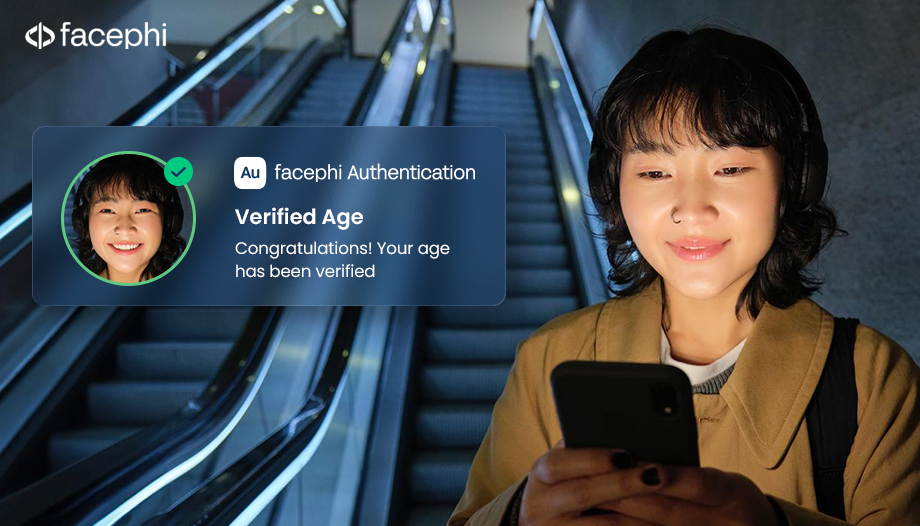
So, how can we cope with the emotional and mental challenges associated with age verification? One approach is to develop a growth mindset, which involves viewing challenges as opportunities for growth and development. By reframing our perception of age verification, we can begin to see it as a chance to learn and improve, rather than a threat or obstacle. This mindset shift can help us to approach age verification with a sense of curiosity and openness, rather than resistance or reactance.
Another coping mechanism is to develop a self-compassionate attitude, which involves treating ourselves with kindness, understanding, and patience. When we're faced with age verification, we may feel like we're being judged or evaluated. By practicing self-compassion, we can begin to recognize that these feelings are normal and valid, and that we're not alone in our experiences. This can help us to develop a more positive self-image and resilient mindset, which can be essential for coping with the challenges associated with age verification.
In addition to these coping mechanisms, it's also important to develop a range of practical skills and strategies for navigating age verification processes. This may involve learning about the different types of age verification, understanding the requirements and regulations surrounding each one, and developing a range of problem-solving and critical thinking skills. By equipping ourselves with these skills and strategies, we can begin to feel more confident and empowered when faced with age verification, and less likely to experience anxiety or overwhelm.
Finally, it's also important to recognize the role of social support in coping with the emotional and mental challenges associated with age verification. When we're surrounded by supportive friends, family, or community members, we may feel more connected and less alone in our experiences. This can help us to develop a more positive and resilient mindset, and to navigate the challenges associated with age verification with greater ease and confidence. By cultivating a strong social support network, we can begin to build a safety net of people who can offer us emotional support, practical help, and guidance when we need it most.
Frequently Asked Questions
What are the most common age verification methods used online?
The most common age verification methods used online include date of birth verification, government-issued ID verification, and third-party age verification services. These methods can be used to verify an individual's age for a range of purposes, from accessing age-restricted content to purchasing products or services. By understanding the different types of age verification methods, we can begin to develop a more nuanced understanding of the challenges and opportunities associated with each one.
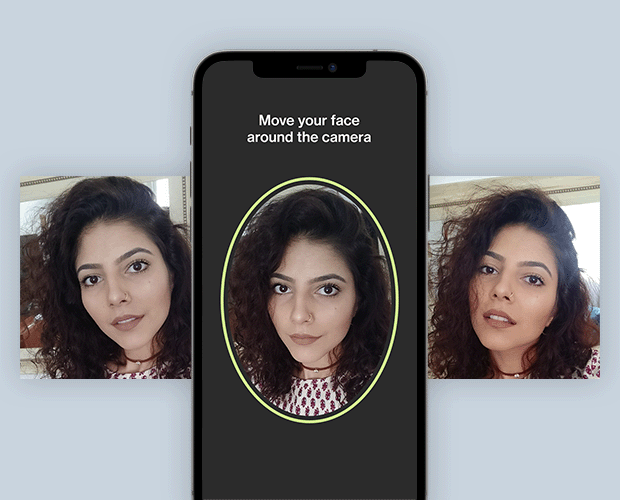
Moreover, the use of artificial intelligence and machine learning in age verification is becoming increasingly common. These technologies can be used to analyze facial recognition data, behavioral patterns, and other forms of biometric data to verify an individual's age. By recognizing the role of AI and machine learning in age verification, we can begin to develop more effective strategies for coping with the emotional and mental challenges associated with these technologies.
How can I avoid being asked to verify my age online?
One way to avoid being asked to verify your age online is to use private browsing modes or virtual private networks (VPNs). These tools can help to mask your IP address and location data, making it more difficult for websites to determine your age. Additionally, you can use age verification blockers or ad blockers to prevent age verification prompts from appearing on your screen.
However, it's worth noting that using these methods to avoid age verification may not always be effective or legal. In some cases, using age verification blockers or VPNs may be considered a violation of terms of service or illegal activity. By understanding the risks and challenges associated with these methods, we can begin to develop more effective strategies for coping with the emotional and mental challenges associated with age verification.
What are the potential risks and challenges associated with age verification?
The potential risks and challenges associated with age verification include identity theft, data breaches, and age discrimination. When we're asked to verify our age, we may be required to provide sensitive personal data, such as our date of birth or government-issued ID number. This data can be stolen or compromised by hackers or other malicious actors, which can have serious consequences for our identity and financial security.
Moreover, age verification can also be used to discriminate against certain individuals or groups based on their age. This can include age-based targeting or profiling, which can be used to manipulate or exploit certain individuals or groups. By recognizing the potential risks and challenges associated with age verification, we can begin to develop more effective strategies for coping with the emotional and mental challenges associated with these technologies.
How can I protect my personal data when verifying my age online?
One way to protect your personal data when verifying your age online is to use strong passwords and two-factor authentication. These security measures can help to protect your account and personal data from unauthorized access or theft. Additionally, you can use password managers or secure storage services to store your personal data and passwords in a secure and encrypted environment.
Moreover, it's also important to be cautious when providing personal data online, and to only provide necessary information to trusted sources. By being mindful of the potential risks and challenges associated with age verification, we can begin to develop more effective strategies for protecting our personal data and maintaining our online security and privacy.

What are the potential benefits of age verification for individuals and society?
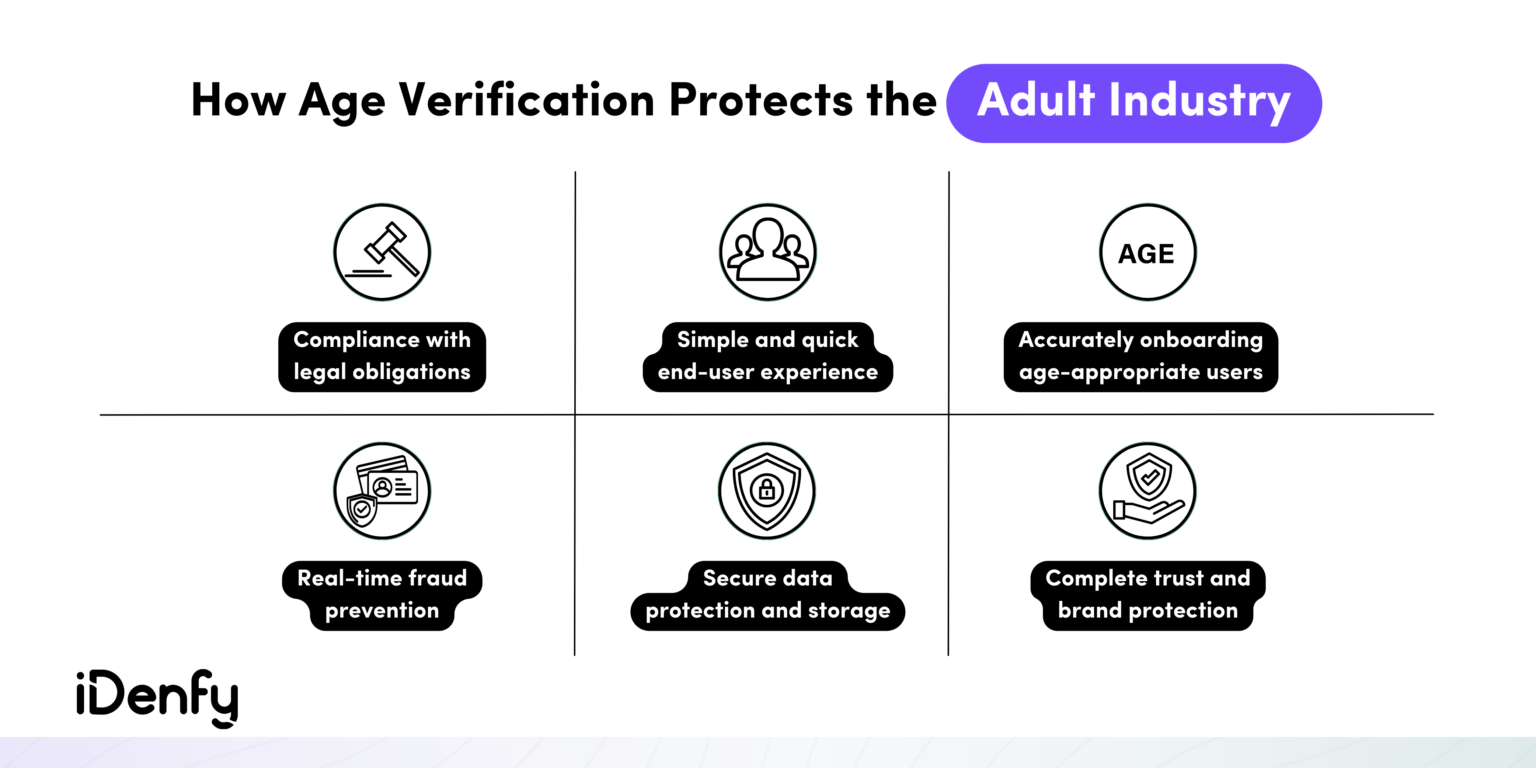
The potential benefits of age verification for individuals and society include improved safety and protection from age-related harm or exploitation. Age verification can help to prevent minors from accessing age-restricted content or products, which can be detrimental to their physical or mental health. Additionally, age verification can help to prevent or reduce age-related crimes, such as identity theft or age-based scams.
Moreover, age verification can also have positive social impacts, such as promoting responsible behavior and respect for age-related boundaries. By recognizing the potential benefits of age verification, we can begin to develop more effective strategies for implementing and managing these systems, and for promoting a safer and more responsible online environment for all users.
As we reflect on the complexities of age verification, it's clear that this issue is about more than just compliance or regulation. It's about identity, autonomy, and self-expression. By mastering the skills and strategies necessary for navigating age verification, we can begin to develop a more nuanced and empowered understanding of ourselves and our place in the world. This, in turn, can lead to a more balanced and fulfilling human experience, where we're able to thrive and grow in a safe and supportive environment.
Ultimately, the key to mastering age verification is to approach it with a sense of curiosity and openness, rather than resistance or reactance. By recognizing the complexities and nuances of this issue, we can begin to develop a more compassionate and empathetic understanding of ourselves and others. This, in turn, can lead to a more harmonious and balanced relationship between our online and offline lives, and a more fulfilling and meaningful human experience.