How To Send A Collaborator Request Shopify

In the vast and ever-evolving landscape of e-commerce, one trend has been making waves and generating buzz: collaborating on Shopify. It's no secret that the way we shop and interact with brands has changed dramatically over the past few years, with influencer marketing and social proof becoming essential components of any successful online business. But what happens when you want to take your brand to the next level by collaborating with other like-minded entrepreneurs or influencers? That's where the collaborator request on Shopify comes in - a game-changing feature that allows you to invite others to contribute to your store, manage products, and even fulfill orders.
As we dive into the world of Shopify collaborations, it becomes clear that this trend is about more than just business - it's about community building and mutual support. With the rise of social commerce and e-commerce platforms, the lines between consumer and creator have become increasingly blurred. Today, everyone has the potential to become an influencer or entrepreneur, and it's this democratization of commerce that has led to the proliferation of collaborative efforts on Shopify. But what does this mean for the average user, and how can you get in on the action?
From TikTok to Instagram, social media platforms are filled with stories of successful collaborations and brand partnerships. It's hard not to get caught up in the hype and excitement of it all - after all, who wouldn't want to team up with their favorite influencer or brand to create something truly unique and special? But beneath the surface of these glamorous partnerships lies a complex web of logistics and technicalities. That's why we're here to break down the process of sending a collaborator request on Shopify, and provide you with the tools and knowledge you need to navigate this exciting new world of e-commerce.
Must Read
- Wednesday Season 3 Warning: Why Jenna Ortega Must Escape The Netflix Formula Trap!
- Jenna Ortega’s Wednesday Season 3: Will It Stick To The Formula Or Shock Fans Everywhere?
- Breaking The Rules: How Jenna Ortega's Wednesday Season 3 Could Completely Redefine Netflix
- Is The "netflix Formula" Ruining Wednesday Season 3? The Truth About Jenna Ortega's Next Chapter
- Forget The Classic Formula! Why Wednesday Season 3 Will Be Jenna Ortega's Darkest Yet
The Rise of Collaborative Commerce
So, what exactly is driving the trend of collaborative commerce on Shopify? For one, it's the rise of social media and the influencer economy. As more and more people turn to platforms like Instagram and TikTok for shopping inspiration, brands are recognizing the value of partnering with popular creators to reach new audiences. But it's not just about marketing and advertising - collaborative commerce is also about building a community and creating a shared vision with like-minded individuals.
Another key factor is the increasing accessibility of e-commerce platforms like Shopify. With user-friendly interfaces and robust features, it's never been easier to set up and manage an online store. This has led to a democratization of commerce, where anyone can become an entrepreneur and start selling products online. And with the rise of dropshipping and print-on-demand, the barriers to entry have never been lower.
But what about the psychology behind collaborative commerce? Why are people so drawn to the idea of working together and creating something new? One reason is the social proof factor - when we see others succeeding and collaborating, it creates a sense of FOMO (fear of missing out) and motivates us to join in. Additionally, collaborative commerce taps into our desire for connection and community, providing a sense of belonging and validation that we might not find elsewhere.
As we explore the world of collaborative commerce on Shopify, it's clear that this trend is about more than just business or marketing - it's about human connection and community building. By understanding the psychology and sociology behind this trend, we can better navigate the complexities of collaborative commerce and create successful, meaningful partnerships that benefit everyone involved.

Navigating the World of Collaborative Commerce
So, how do you get started with collaborative commerce on Shopify? The first step is to identify potential collaborators - this could be influencers, other entrepreneurs, or even customers who have shown a strong interest in your brand. Once you've identified potential collaborators, it's time to reach out and start a conversation. This could be via email, social media, or even phone - the key is to be personal and genuine in your approach.
When it comes to setting up a collaboration on Shopify, there are a few key things to keep in mind. First, you'll need to define the terms of the collaboration - this includes roles, responsibilities, and expectations. You'll also need to set up a system for managing and fulfilling orders, as well as tracking and analyzing sales and performance. This is where Shopify's collaborator request feature comes in - a powerful tool that allows you to invite others to contribute to your store and manage products.
But what about the logistics of collaborative commerce? How do you manage and coordinate with your collaborators, especially if you're working with multiple partners or across different time zones? One key strategy is to use project management tools like Trello or Asana to stay organized and on track. You'll also need to establish clear communication channels - this could be via email, Slack, or even video conferencing.
Finally, it's essential to monitor and evaluate the success of your collaborative commerce efforts. This includes tracking sales and analyzing performance, as well as gathering feedback from customers and collaborators. By using data and insights to inform your decisions, you can refine and improve your collaborative commerce strategy over time - and achieve greater success in the world of e-commerce.

Frequently Asked Questions
What is a collaborator request on Shopify, and how do I send one?
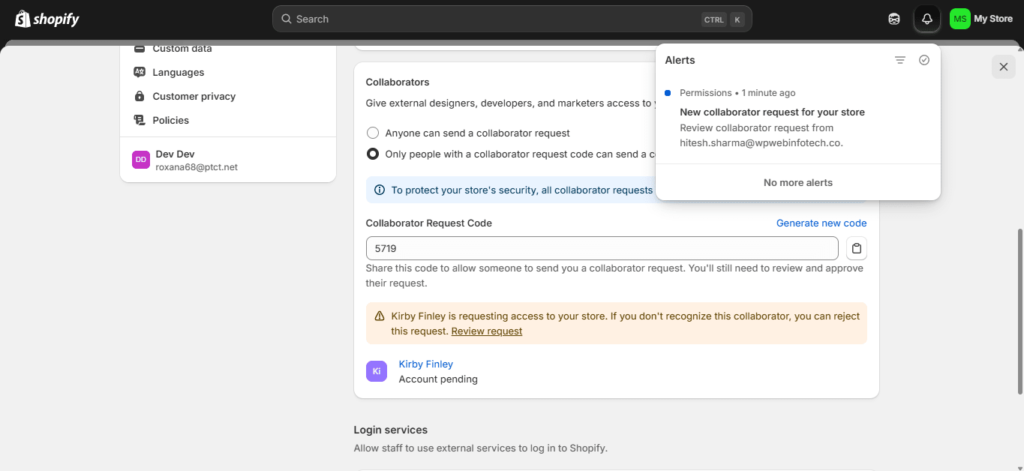
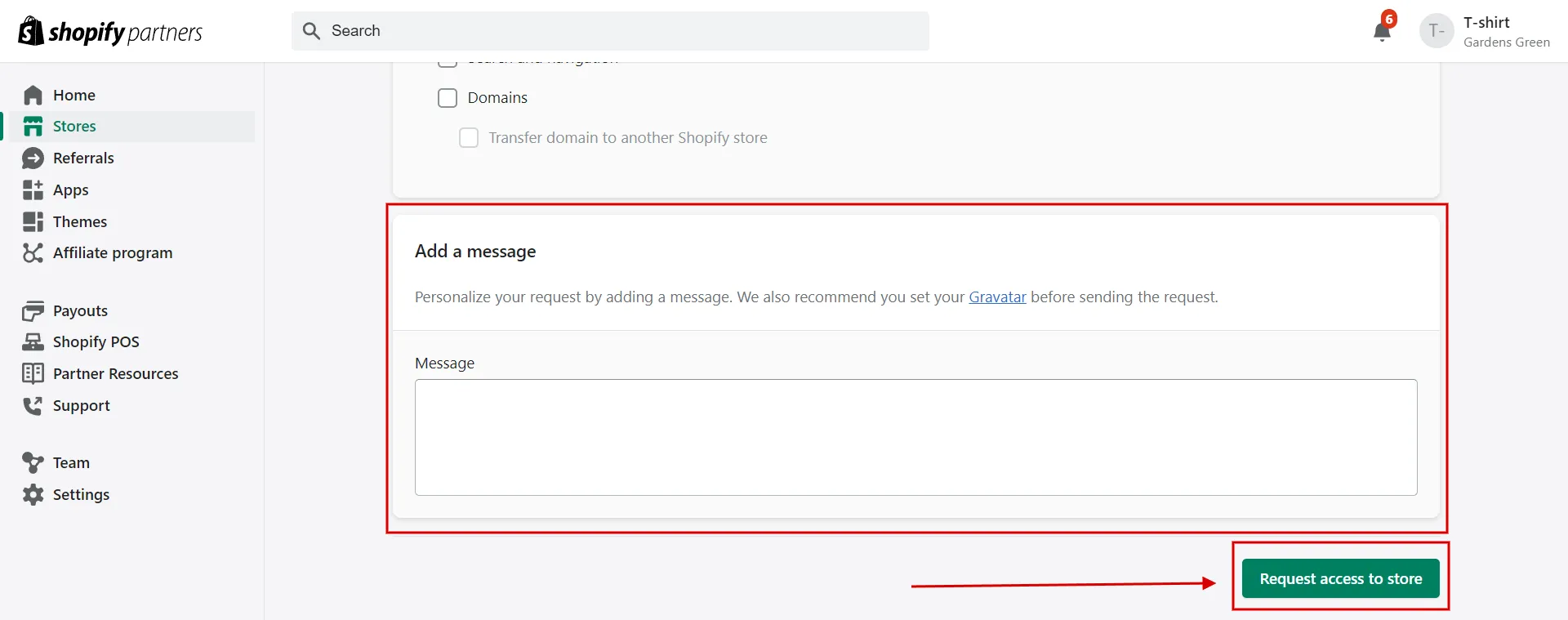
A collaborator request on Shopify is an invitation to another user to contribute to your store and manage products. To send a collaborator request, simply navigate to the settings section of your Shopify account, click on account, and then select collaborators. From here, you can enter the email address of the user you want to invite, choose their role and permissions, and add a personal message if desired.
Once you've sent the collaborator request, the recipient will receive an email invitation to join your store. They can then accept or decline the invitation, and you'll be notified accordingly. It's worth noting that collaborator requests can only be sent to users with a Shopify account - if the recipient doesn't have an account, they'll need to create one before they can accept the invitation.
How do I manage collaborators on Shopify, and what are the different roles and permissions?
Managing collaborators on Shopify is relatively straightforward. Once a collaborator has accepted your invitation, you can assign them a role and permissions within your store. There are several different roles to choose from, including admin, owner, and staff - each with its own set of permissions and abilities. You can also create custom roles and permissions to suit the specific needs of your store and collaborators.
As for managing collaborators, you can view and edit their roles and permissions at any time. You can also remove collaborators from your store if needed, although this will revoke their access to your account and terminate their role. It's essential to communicate clearly with your collaborators and establish clear expectations around their roles and responsibilities - this will help prevent confusion and ensure a smooth working relationship.
What are the benefits of collaborative commerce on Shopify, and how can I use it to grow my business?
The benefits of collaborative commerce on Shopify are numerous. For one, it allows you to tap into the expertise and audience of other entrepreneurs and influencers - this can be a powerful way to grow your brand and reach new customers. Collaborative commerce also enables you to share resources and reduce costs - by working together with others, you can split expenses and increase efficiency.
To use collaborative commerce to grow your business, start by identifying potential collaborators who share your values and target audience. You can then reach out and propose a collaboration - this could be a joint product launch, social media campaign, or even a co-branded store. Remember to communicate clearly and establish clear expectations around the collaboration - this will help ensure a successful partnership that benefits both parties.
How do I protect my brand and intellectual property when collaborating with others on Shopify?
Protecting your brand and intellectual property is crucial when collaborating with others on Shopify. One way to do this is to establish clear agreements and contracts with your collaborators - this should include terms and conditions around the use of your intellectual property. You should also register your trademarks and copyrights to prevent infringement and counterfeiting.
Additionally, be sure to monitor and track the activity of your collaborators - this includes sales, inventory, and customer interactions. You can also set up notifications and alerts to inform you of any suspicious activity or unauthorized access. By taking these precautions, you can protect your brand and intellectual property while still benefiting from the power of collaborative commerce on Shopify.

What are the common pitfalls and challenges of collaborative commerce on Shopify, and how can I avoid them?
There are several common pitfalls and challenges to watch out for when engaging in collaborative commerce on Shopify. One of the biggest is communication breakdown - this can lead to misunderstandings and conflict with your collaborators. To avoid this, make sure to establish clear communication channels and regularly schedule check-ins to discuss progress and address any issues.
Another challenge is managing different work styles and expectations - this can be particularly difficult when working with collaborators from different cultures or time zones. To overcome this, try to be flexible and adaptable, and be willing to compromise and find common ground. Finally, be sure to set clear boundaries and expectations around the collaboration - this will help prevent conflict and ensure a successful partnership.
As we look to the future of collaborative commerce on Shopify, it's clear that this trend is here to stay. With the rise of social media and e-commerce platforms, the opportunities for collaboration and innovation have never been greater. But as with any new trend or technology, there are also potential drawbacks and challenges to consider - from communication breakdowns to intellectual property concerns.
Despite these challenges, the benefits of collaborative commerce on Shopify far outweigh the risks. By embracing the power of collaboration and mutual support, entrepreneurs and brands can grow their businesses, reach new audiences, and create something truly unique and innovative. As we move forward in this exciting new world of e-commerce, one thing is certain - the future of collaborative commerce on Shopify is bright, and it's an opportunity that no business can afford to miss.