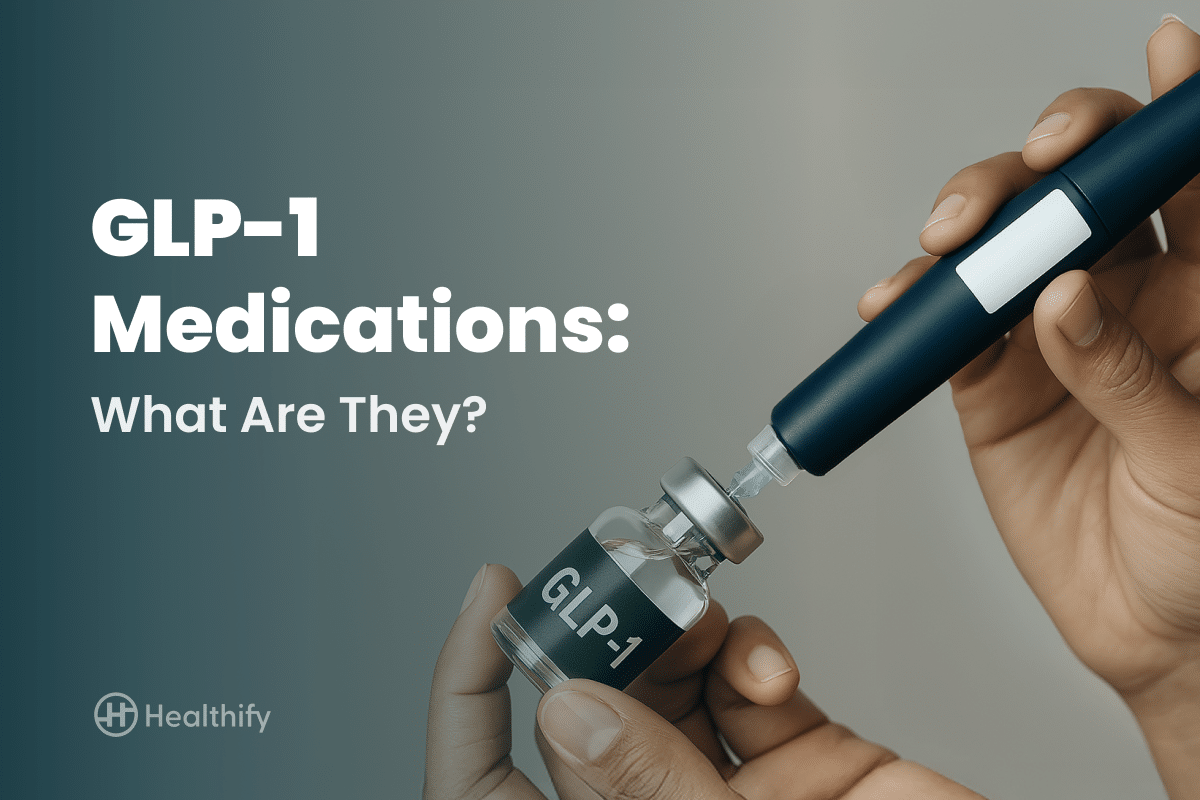
Mayim Bialik Issues Major Warning After Suffering Severe Complications From A Glp-1 Drug

It's not every day that a celebrity's health scare goes viral, but that's exactly what happened when Mayim Bialik opened up about her terrifying experience with a GLP-1 drug. The actress, known for her roles in The Big Bang Theory and Blossom, took to social media to share her story, and the internet is still reeling from the aftermath. With her influencer status and devoted fan base, Bialik's warning has sparked a national conversation about the dangers of these popular medications.
The GLP-1 drug in question has been touted as a miracle solution for weight loss and blood sugar control, but Bialik's experience reveals a darker side to these medications. As she recounted her harrowing tale of severe complications, the internet erupted into a maelstrom of debate and discussion. Twitter was flooded with hashtags and threads analyzing the situation, while Instagram and TikTok saw a surge in reaction videos and personal stories from those who had similar experiences.
So, why is everyone talking about Mayim Bialik's GLP-1 warning? For one, it's a cautionary tale about the unintended consequences of playing with fire when it comes to our bodies. It's also a testament to the power of celebrity influence in shaping public discourse around health and wellness. As the internet continues to buzz with discussions about GLP-1 drugs, it's clear that this topic is not going away anytime soon.
Must Read
- Wednesday Season 3 Warning: Why Jenna Ortega Must Escape The Netflix Formula Trap!
- Jenna Ortega’s Wednesday Season 3: Will It Stick To The Formula Or Shock Fans Everywhere?
- Breaking The Rules: How Jenna Ortega's Wednesday Season 3 Could Completely Redefine Netflix
- Is The "netflix Formula" Ruining Wednesday Season 3? The Truth About Jenna Ortega's Next Chapter
- Forget The Classic Formula! Why Wednesday Season 3 Will Be Jenna Ortega's Darkest Yet
The Dark Side of GLP-1
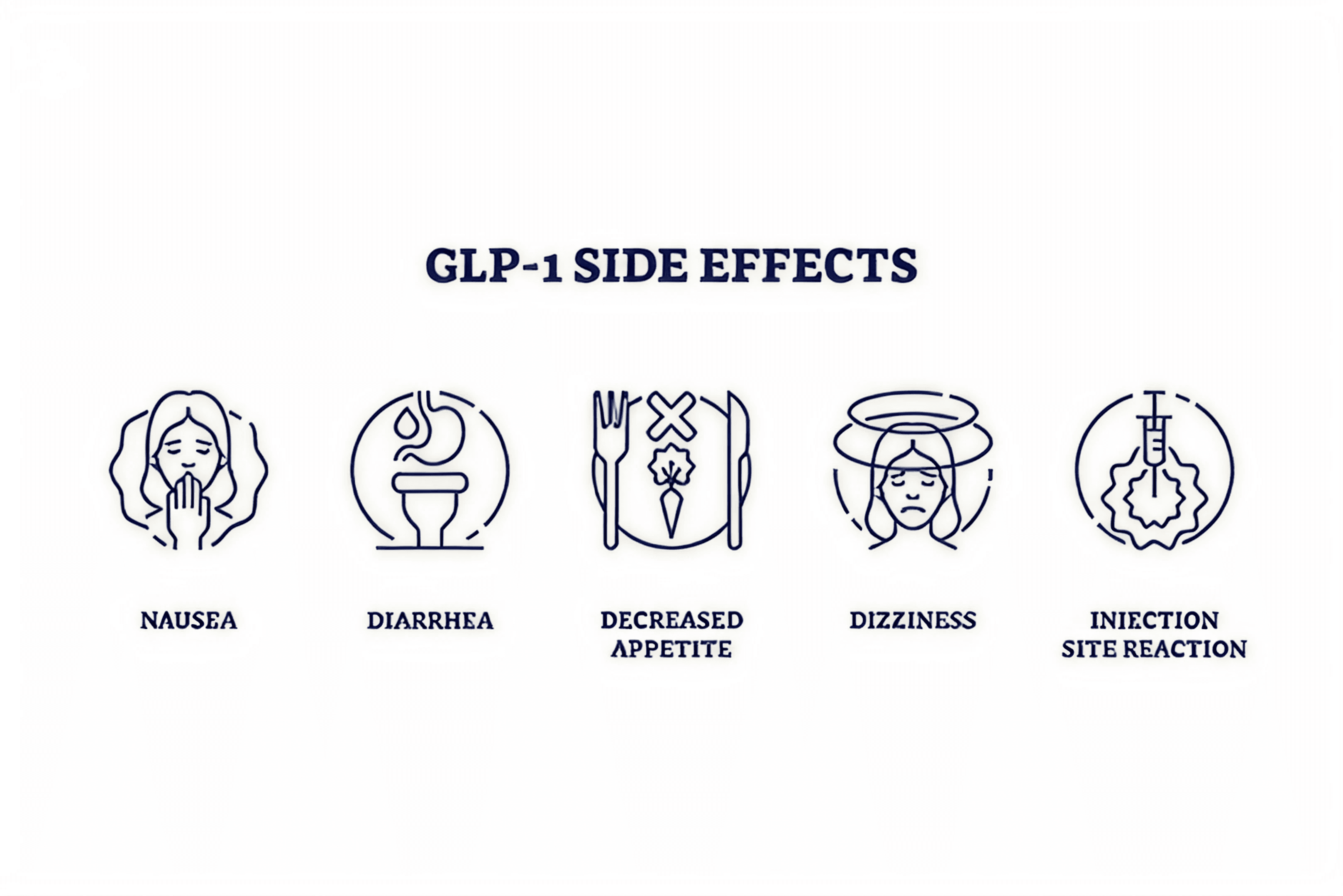
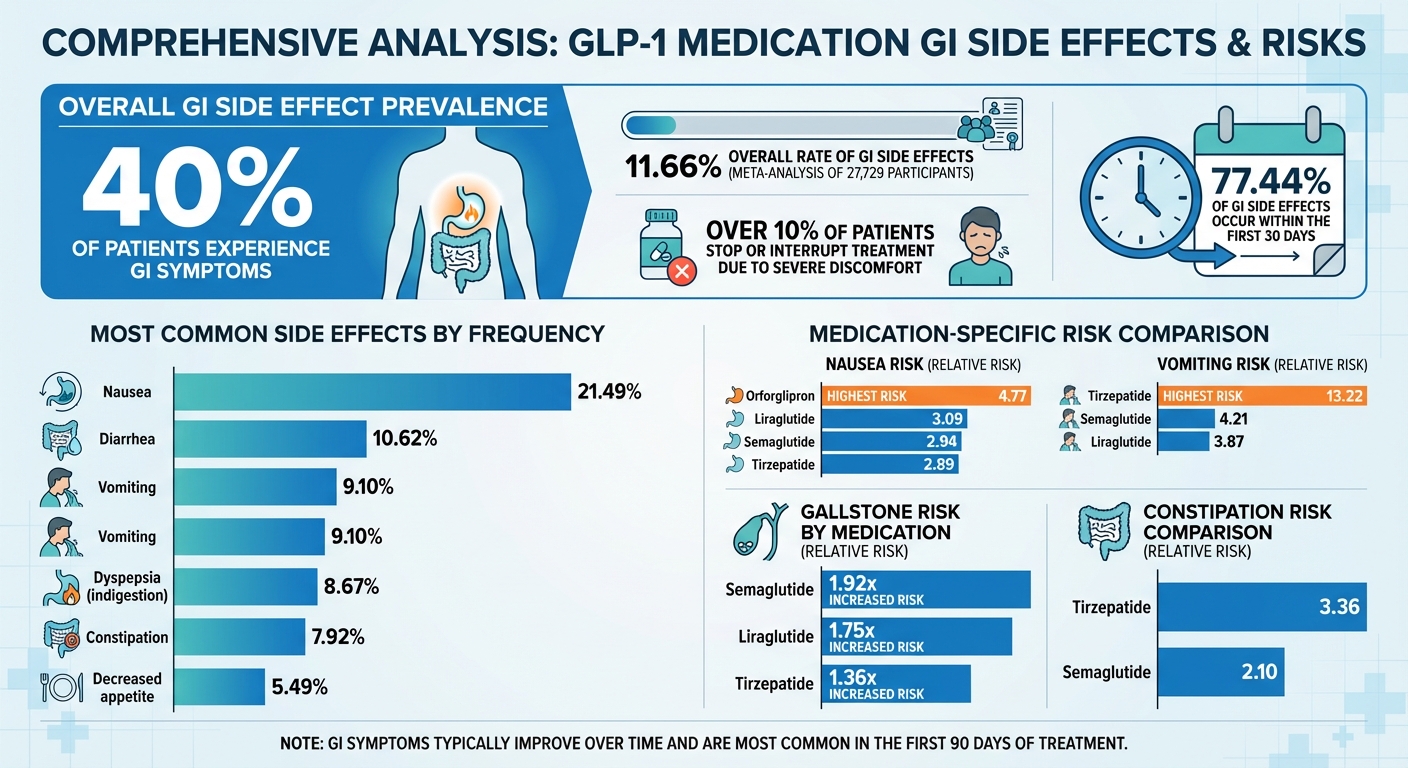
Delving deeper into the world of GLP-1 drugs, it becomes clear that Mayim Bialik's experience is not an isolated incident. Online forums and support groups are filled with testimonies from individuals who have suffered severe side effects, from diarrhea and nausea to pancreatitis and gallstones. The pharmaceutical industry has been accused of downplaying these risks, and regulatory bodies have been criticized for their lax oversight.
On social media, the GLP-1 community has become a toxic and polarized space, with proponents of the medication clashing with detractors. Influencers and content creators have been called out for promoting GLP-1 drugs without disclosing their risks, while medical professionals have been accused of overprescribing these medications without proper caution.
The cultural shift towards quick fixes and miracle solutions has created a perfect storm for the GLP-1 phenomenon. With the rise of social media, it's easier than ever to share and discover new treatments and products, but this has also created a wild west of unregulated and unproven remedies. As we navigate this complex landscape, it's essential to separate fact from fiction and approach these treatments with a critical eye.
Mayim Bialik's warning has also highlighted the need for greater transparency and accountability in the pharmaceutical industry. As consumers, we have the right to informed consent and safe and effective treatments. It's time for regulatory bodies and medical professionals to step up and ensure that these medications are being prescribed and monitored responsibly.
Navigating the GLP-1 Landscape
So, how can you navigate the GLP-1 landscape without losing your sanity or wallet? First and foremost, it's essential to do your research and consult with a qualified medical professional before starting any new medication. Don't rely on social media or online forums for medical advice – instead, seek out reputable sources and peer-reviewed studies.
When it comes to weight loss and blood sugar control, it's essential to focus on sustainable and healthy approaches. Rather than relying on quick fixes and miracle solutions, invest in a balanced diet and regular exercise routine. Consult with a registered dietitian or certified fitness professional to create a personalized plan that works for you.
It's also crucial to be aware of the potential risks and side effects associated with GLP-1 drugs. Monitor your body and report any adverse reactions to your medical professional immediately. Don't be afraid to ask questions or seek a second opinion if you're unsure about any aspect of your treatment.
Finally, advocate for yourself and your rights as a patient. Demand transparency and accountability from the pharmaceutical industry and regulatory bodies. Support research and initiatives that prioritize patient safety and wellness. By working together, we can create a healthier and more informed community.

Frequently Asked Questions
What are GLP-1 drugs, and how do they work?
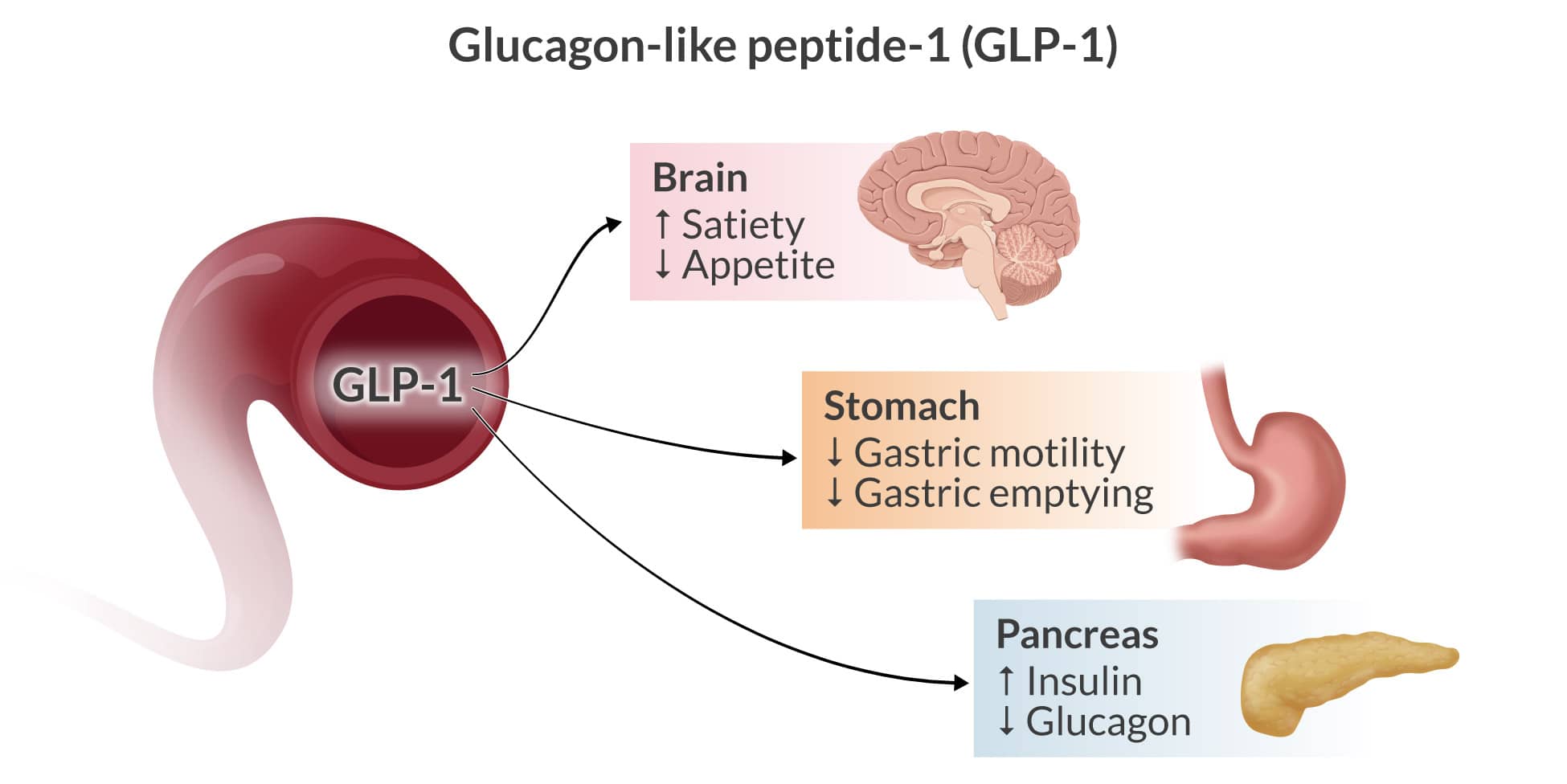
GLP-1 drugs, or glucagon-like peptide-1 receptor agonists, are a type of medication that mimics the effects of a naturally occurring hormone in the body. They help to regulate blood sugar levels and appetite, making them a popular treatment for type 2 diabetes and obesity. However, as Mayim Bialik's experience has highlighted, these medications can have severe side effects and risks that must be carefully considered.
The mechanism of action for GLP-1 drugs is complex, but essentially, they bind to receptors in the body that help to regulate glucose metabolism and appetite. This can lead to improved blood sugar control and weight loss, but it can also cause side effects such as nausea, diarrhea, and abdominal pain. As with any medication, it's essential to weigh the benefits and risks carefully and consult with a qualified medical professional before starting treatment.
What are the potential risks and side effects of GLP-1 drugs?
The potential risks and side effects of GLP-1 drugs are a major concern for patients and medical professionals alike. As Mayim Bialik's experience has highlighted, these medications can cause severe and persistent side effects, including pancreatitis, gallstones, and thyroid cancer. Other potential risks and side effects include nausea, diarrhea, abdominal pain, and allergic reactions.
It's essential to monitor your body and report any adverse reactions to your medical professional immediately. Don't be afraid to ask questions or seek a second opinion if you're unsure about any aspect of your treatment. By being informed and proactive, you can minimize your risk of side effects and ensure that you're getting the best possible care.

Can GLP-1 drugs be used for weight loss, and are they effective?
GLP-1 drugs have been touted as a miracle solution for weight loss, but the evidence is mixed. While these medications can help to regulate appetite and metabolism, they are not a quick fix for obesity. In fact, studies have shown that GLP-1 drugs can have limited and short-term effects on weight loss, and may even lead to weight gain in some cases.
Moreover, the potential risks and side effects associated with GLP-1 drugs must be carefully considered when using them for weight loss. As Mayim Bialik's experience has highlighted, these medications can have severe and persistent side effects, and may not be suited for everyone. Instead of relying on GLP-1 drugs for weight loss, it's essential to focus on sustainable and healthy approaches, such as a balanced diet and regular exercise routine.
How can I protect myself from the potential risks and side effects of GLP-1 drugs?
Protecting yourself from the potential risks and side effects of GLP-1 drugs requires a proactive and informed approach. First and foremost, it's essential to consult with a qualified medical professional before starting any new medication. Don't be afraid to ask questions or seek a second opinion if you're unsure about any aspect of your treatment.
It's also crucial to monitor your body and report any adverse reactions to your medical professional immediately. Keep a symptom journal to track any changes or side effects, and don't hesitate to seek medical attention if you experience any severe or persistent symptoms. By being informed and proactive, you can minimize your risk of side effects and ensure that you're getting the best possible care.
What are the long-term effects of GLP-1 drugs, and are they safe for prolonged use?
The long-term effects of GLP-1 drugs are not yet fully understood, and more research is needed to determine their safety and efficacy for prolonged use. However, studies have raised concerns about the potential risks of GLP-1 drugs, including pancreatitis, gallstones, and thyroid cancer. As with any medication, it's essential to weigh the benefits and risks carefully and consult with a qualified medical professional before starting treatment.
Moreover, the pharmaceutical industry has been accused of downplaying the risks associated with GLP-1 drugs, and regulatory bodies have been criticized for their lax oversight. As a patient, it's essential to be informed and proactive in advocating for your rights and safety. Don't be afraid to ask questions or seek a second opinion if you're unsure about any aspect of your treatment.
As we reflect on the GLP-1 phenomenon, it's clear that this topic is not just a passing fad, but a permanent shift in our modern lifestyle. The internet has amplified the conversation around GLP-1 drugs, and social media has created a platform for patients and advocates to share their stories and experiences. As we move forward, it's essential to continue the conversation and push for greater transparency and accountability in the pharmaceutical industry.
The future of GLP-1 drugs is uncertain, but one thing is clear: patients and advocates will continue to demand safe and effective treatments. As we navigate the complex landscape of GLP-1 drugs, it's essential to stay informed and proactive in advocating for our rights and safety. By working together, we can create a healthier and more informed community, where patients and advocates are empowered to make informed decisions about their health and wellness.