Mri Tech Salary: Average Earnings For Magnetic Resonance Imaging Technologists
Hey there, future magnet whisperers and image wizards! So, you’re curious about what kind of dough Magnetic Resonance Imaging (MRI) technologists get to pocket, huh? You’re not alone! It’s a pretty cool gig, right? Zapping folks with magnets to see what’s going on inside their bodies. Sounds like something out of a sci-fi movie, but it’s real life, and it pays the bills!
Let’s be honest, when you’re thinking about a career, a big part of the equation is, well, the moolah. And for MRI techs, the salary situation is generally pretty darn good. We’re talking about a field that requires specialized skills, a steady hand, and a whole lot of patience (especially when Uncle Bob is humming show tunes during his scan!). So, it makes sense that the compensation reflects that expertise.
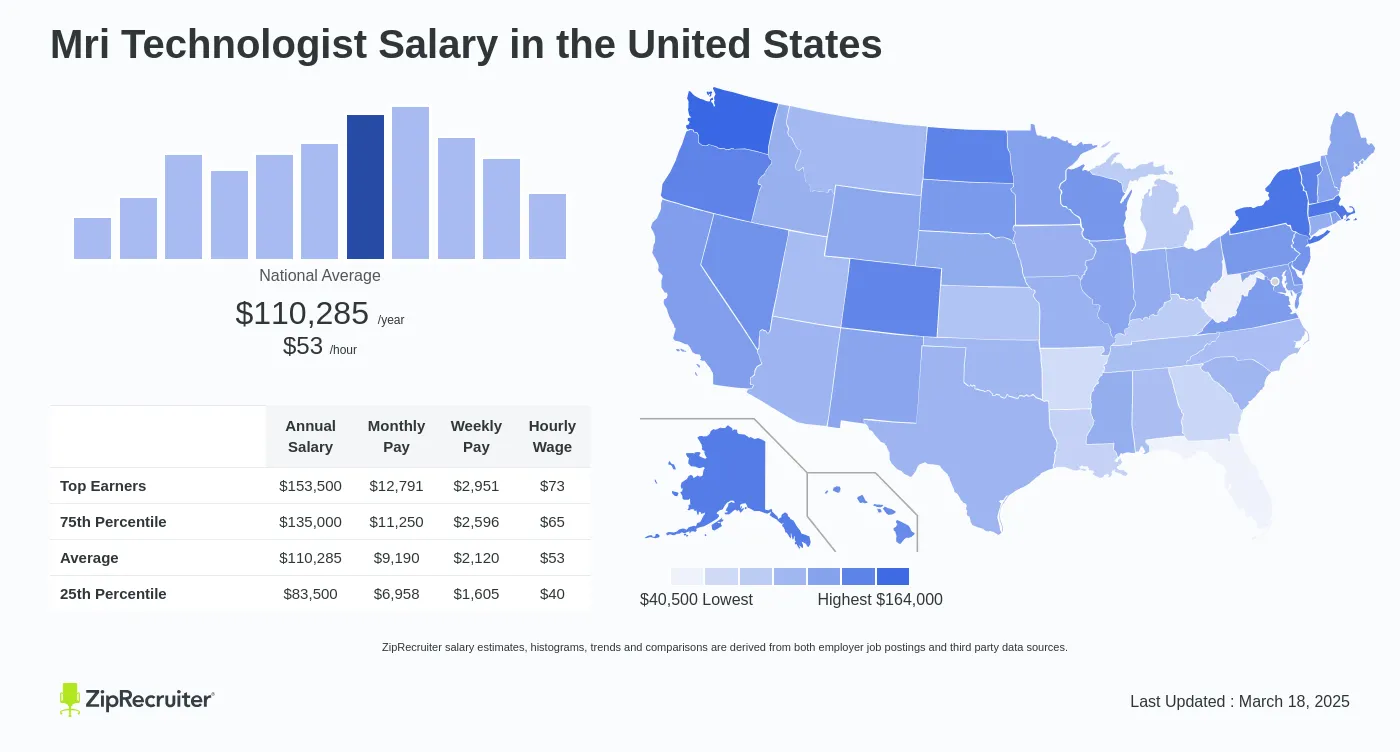
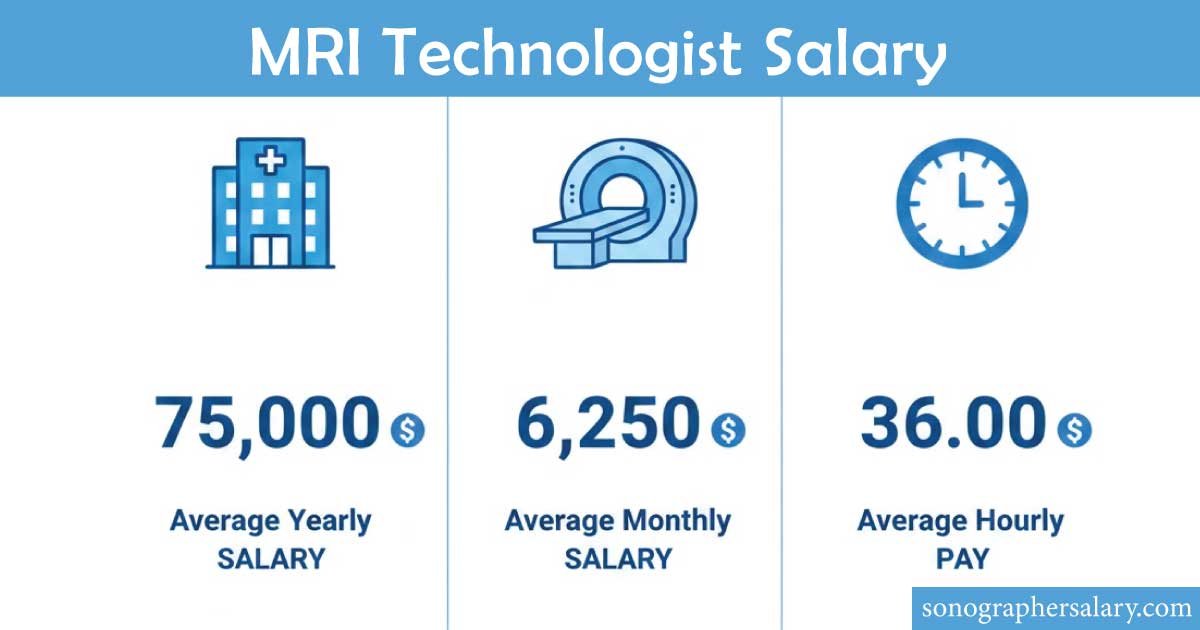
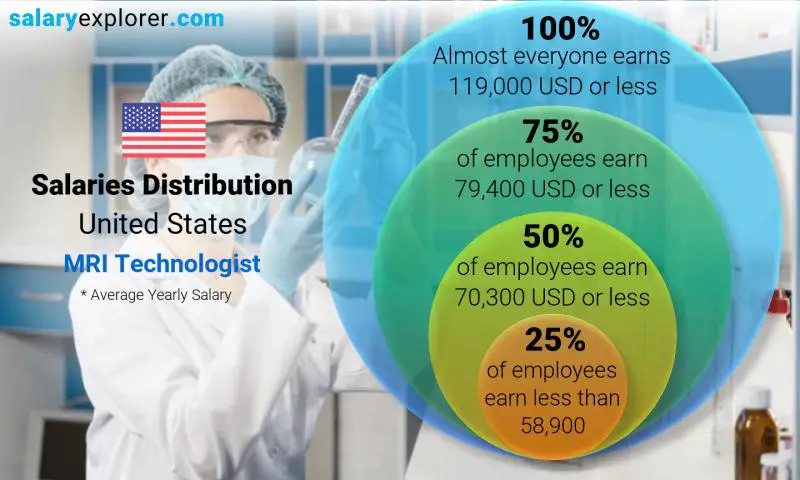
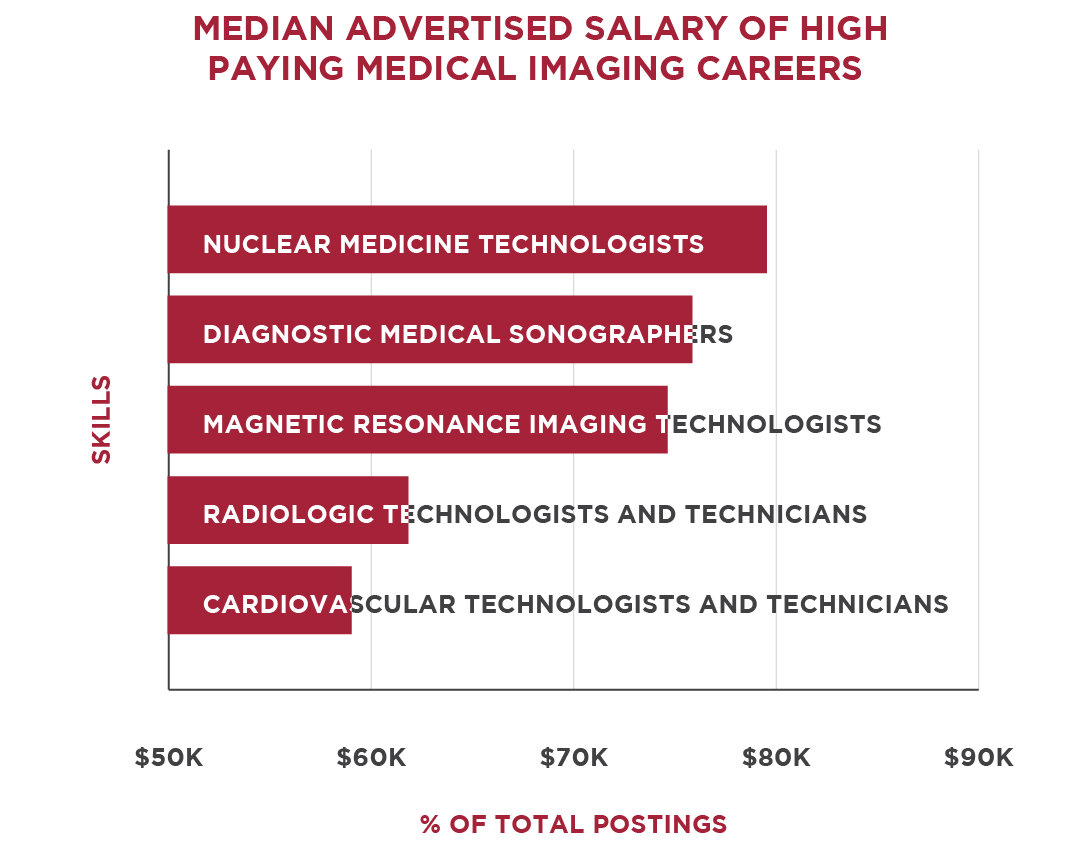
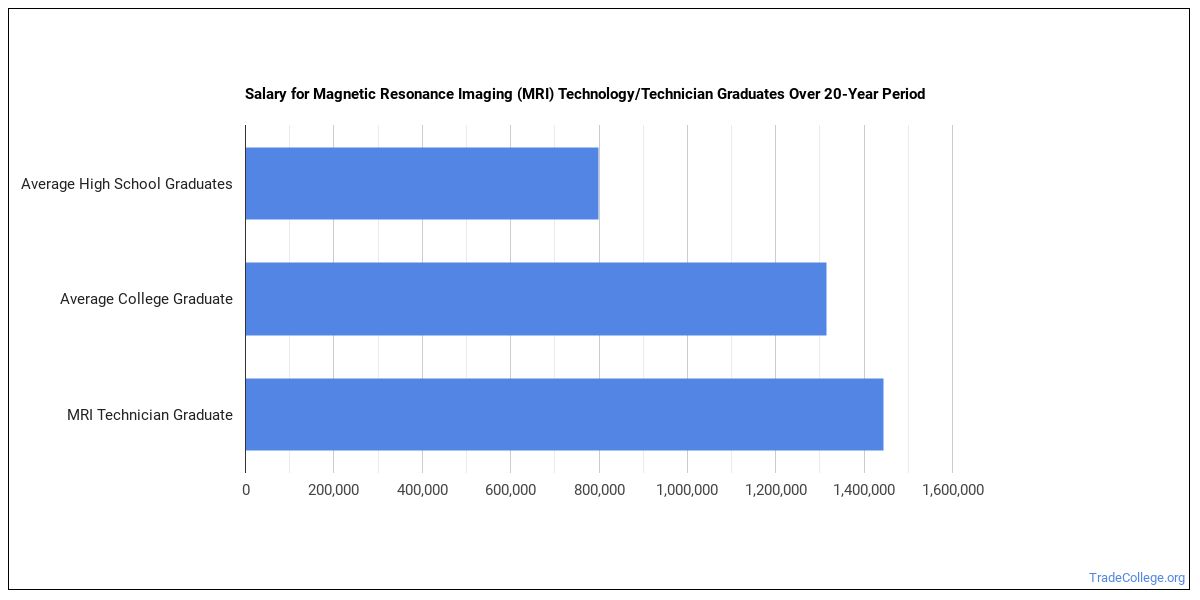
Alright, so let’s dive into the juicy details. What’s the average earnings for an MRI technologist? Drumroll, please! In the good ol’ U.S. of A., the average salary for an MRI technologist hovers around the $70,000 to $80,000 mark annually. Now, that’s a pretty sweet number, wouldn't you agree? That’s enough to buy a decent coffee every day, maybe even a fancy latte with extra foam, and still have money left over for, you know, rent and groceries.
Must Read
- Wednesday Season 3 Warning: Why Jenna Ortega Must Escape The Netflix Formula Trap!
- Jenna Ortega’s Wednesday Season 3: Will It Stick To The Formula Or Shock Fans Everywhere?
- Breaking The Rules: How Jenna Ortega's Wednesday Season 3 Could Completely Redefine Netflix
- Is The "netflix Formula" Ruining Wednesday Season 3? The Truth About Jenna Ortega's Next Chapter
- Forget The Classic Formula! Why Wednesday Season 3 Will Be Jenna Ortega's Darkest Yet
But hold your horses! Before you start mentally redecorating your dream vacation condo, it’s important to remember that this is just an average. Think of it like this: if your friend makes $50,000 and you make $100,000, the average is $75,000. But neither of you actually makes $75,000, right? The same principle applies here.
There are a bunch of factors that can nudge that salary up or down. It’s not just a flat rate for everyone, and that’s a good thing! It means there’s room for growth and some pretty sweet opportunities if you play your cards right.
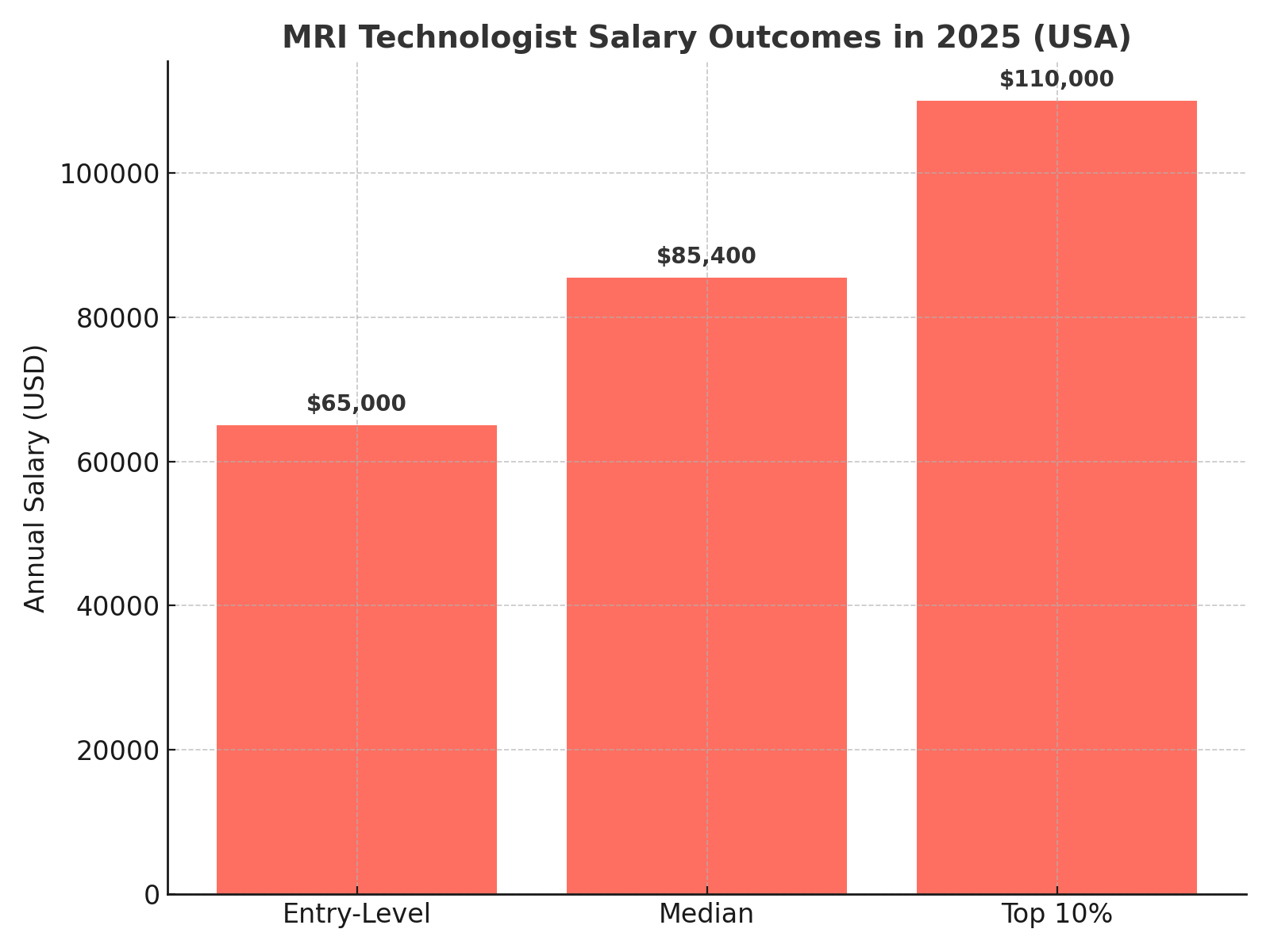
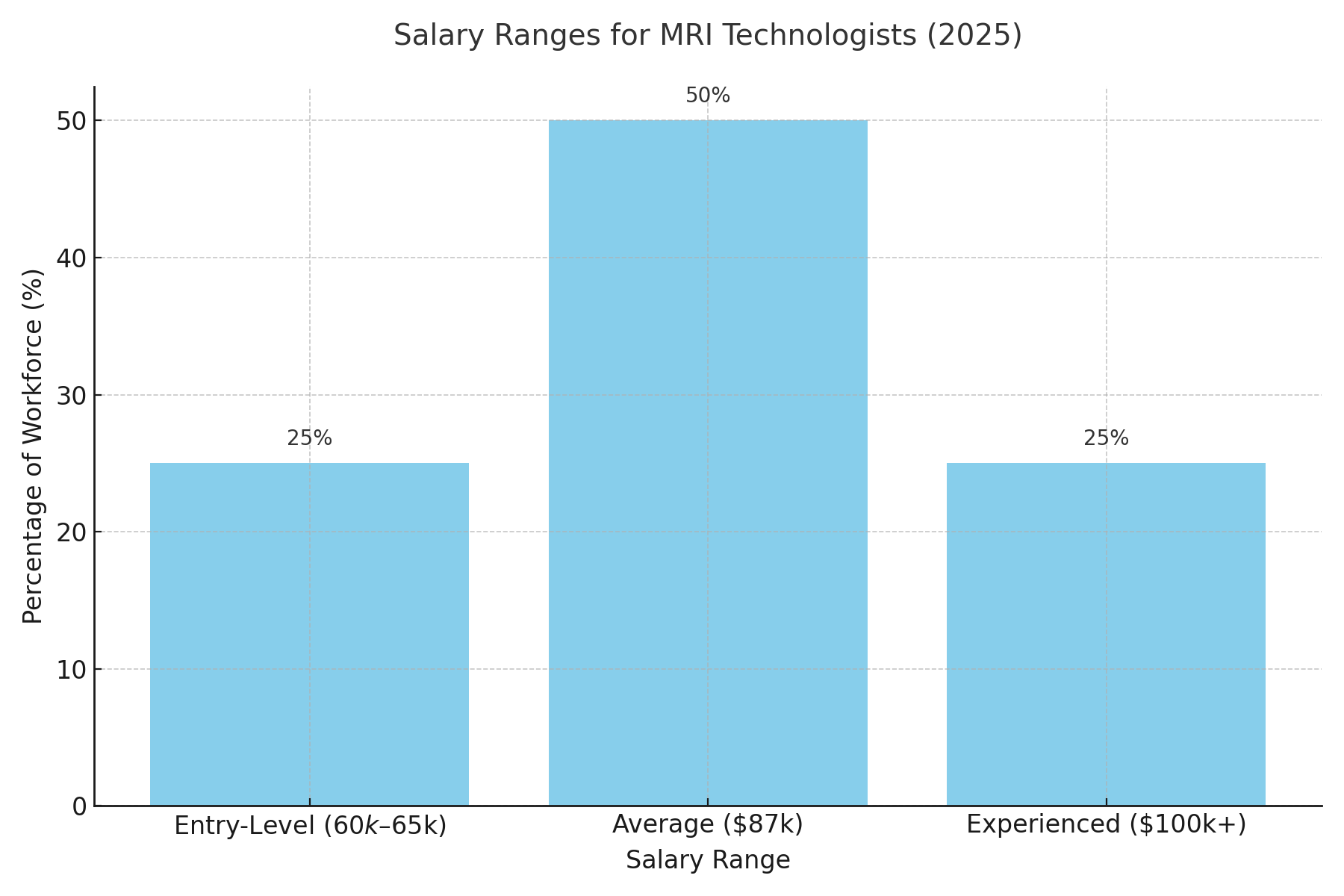
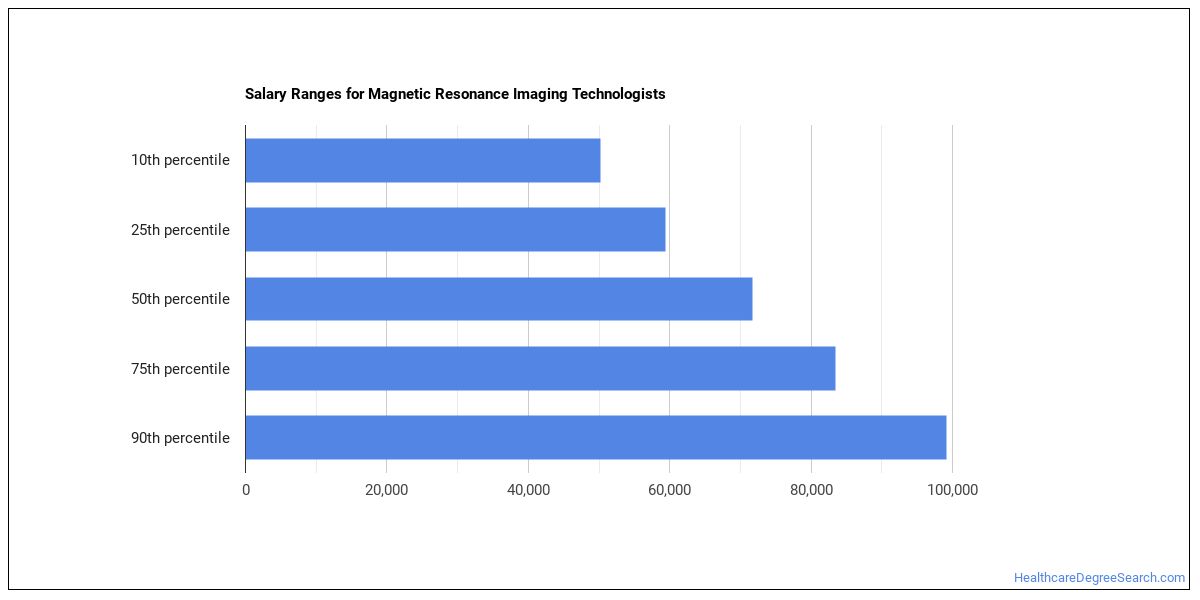
One of the biggest players in the salary game is experience. Surprise, surprise! Just like anything else, the more you do it, the better you get, and the more you’re worth. A fresh-faced MRI tech, fresh out of their certification program, might start out in the lower end of the salary spectrum. Think maybe in the $50,000s or low $60,000s. And that’s still pretty respectable for entry-level! But after a few years of mastering the art of coaxing patients into those noisy tubes and becoming a pro at differentiating between a tumor and a rogue M&M they swallowed, that salary will start to climb.
Experienced techs, those who have been navigating the world of magnetic fields and radio waves for, say, 5 to 10 years or more, can easily be looking at salaries in the $80,000s and even $90,000s. And if you become a veritable guru, a true MRI sensei who can troubleshoot any scanner issue and calm down the most anxious of patients, you might even be pushing past the $100,000 mark. Now that’s what I call impressive!
Location, Location, Location (and How Much It Costs to Live There!)
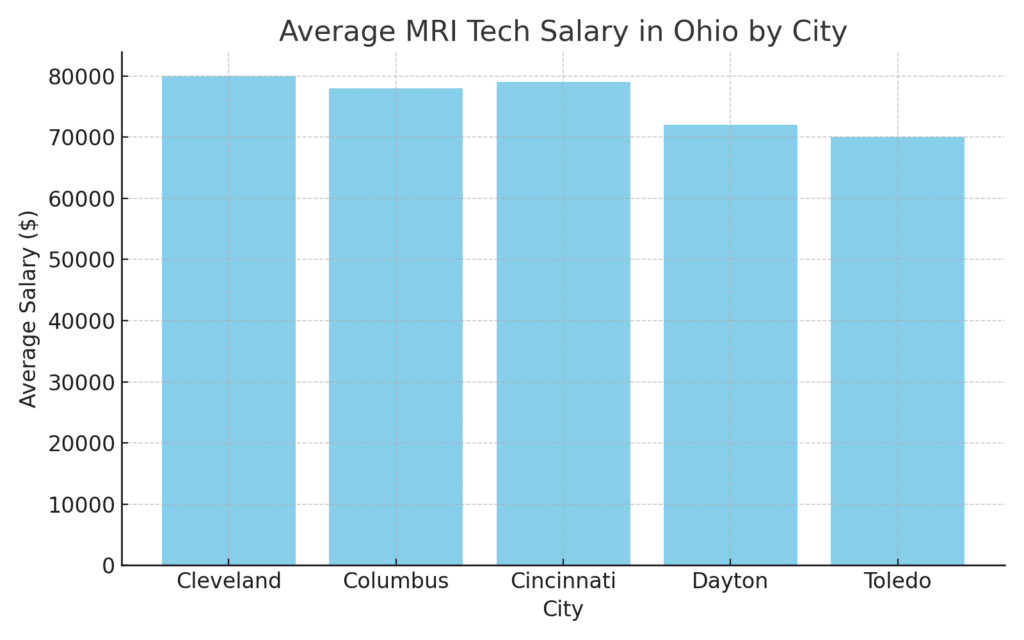
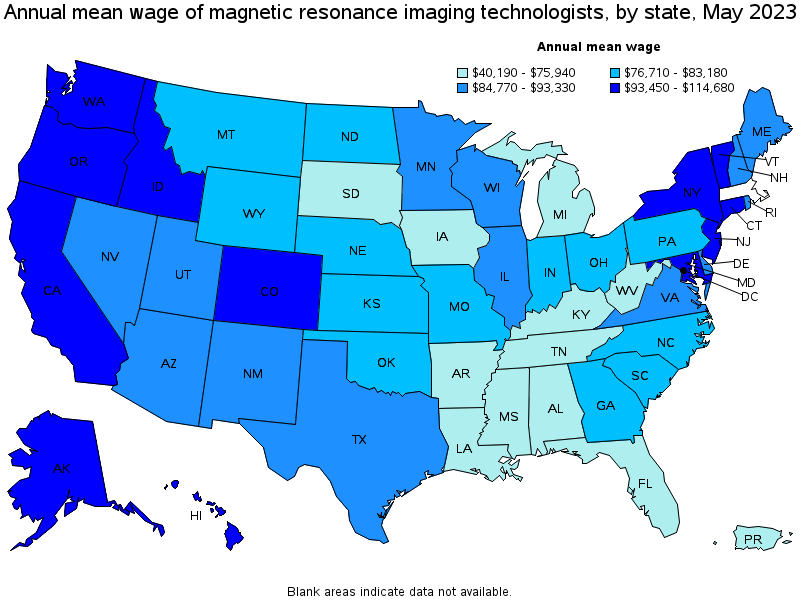
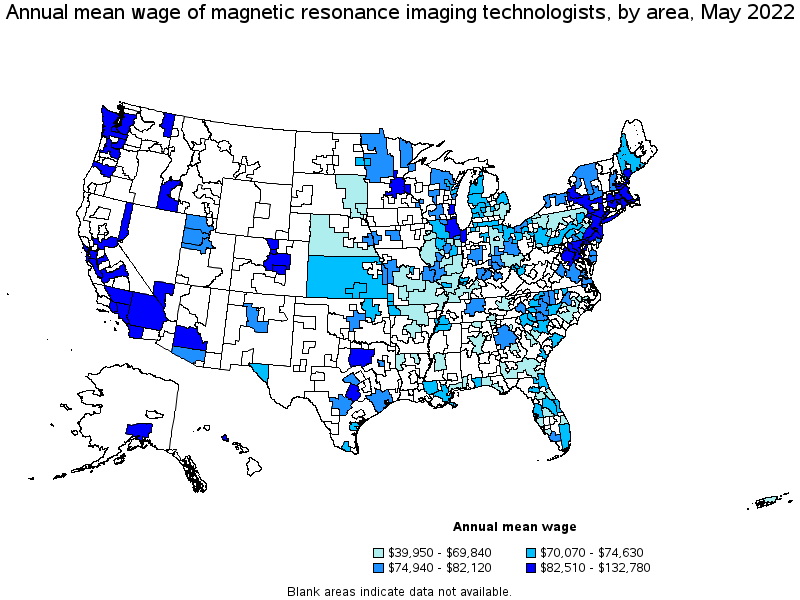
Another huge influencer on your paycheck is where you choose to hang your hat (or, more accurately, where you choose to install your MRI machine). Big cities and areas with a high cost of living generally tend to offer higher salaries. Think places like California, New York, or Massachusetts. You’re probably going to earn more in San Francisco than you would in Topeka, Kansas, for example. It’s just the way of the world!

On the flip side, if you’re living in a more rural area or a place where the cost of living is lower, the average salary might be a bit more modest. This isn't necessarily a bad thing, though! While the number might look smaller, your purchasing power could actually be greater. You know, more bang for your buck. Plus, less traffic to deal with on your commute? Yes, please!
So, when you’re looking at salary ranges, always keep in mind the geographic location. It’s a crucial piece of the puzzle.
Where the Magnets Are: Different Work Environments
The type of facility you work in can also make a difference in your earnings. Think of it as different levels of the salary game.
Hospitals, especially larger teaching hospitals or medical centers, often have the most comprehensive benefits packages and competitive salaries. They’re usually the big players, the ones dealing with the most complex cases and cutting-edge technology. So, if you’re aiming for the top tier, a hospital setting might be your golden ticket.
Then you have outpatient imaging centers. These can also offer great salaries, sometimes comparable to hospitals, especially if they’re part of a larger network. They might be a bit more specialized, focusing solely on imaging, which can lead to a different kind of expertise.
And let’s not forget physician’s offices or specialized clinics. These might offer slightly lower base salaries, but they can sometimes have better work-life balance or more predictable hours, which is worth a lot, right? It’s all about what you prioritize!
So, while the average might be around $75,000, you could be earning a bit more or a bit less depending on whether you’re zapping brains at a bustling city hospital or a cozy community clinic.
The Almighty Education and Certifications
You didn’t think you could just walk in and start playing with powerful magnets, did you? Nope! Becoming an MRI technologist requires some serious dedication to your education and a few crucial certifications. And guess what? The more credentials you have, the more valuable you are, and the more you can command in salary!
Most MRI techs start with an Associate’s or Bachelor’s degree in radiologic technology or a related field. This is your foundation, your basic training in the world of medical imaging. But to truly shine in the MRI world, you’ll likely need additional specialized training and certifications.
The most common certification is through the American Registry for Radiologic Technologists (ARRT). Getting certified by the ARRT in MRI is a big deal! It shows employers you know your stuff and can perform MRI procedures safely and effectively. Think of it as your black belt in magnet magic.

Some technologists also pursue advanced certifications in specific areas, like MRI physics or neuroimaging. These specialized skills can make you a hot commodity and, you guessed it, lead to higher salaries. It's like adding extra special effects to your already impressive resume.
So, while the initial degree gets your foot in the door, those extra certifications are like getting the VIP backstage pass to a higher salary.
The Nitty-Gritty: What About Benefits?
When we talk about salary, it’s easy to just focus on the take-home pay. But a significant part of your total compensation package includes benefits. And MRI techs usually get a pretty good spread!
Think about things like health insurance (because even magnet whisperers need to stay healthy!), dental and vision coverage (gotta see those tiny details on the scans!), retirement plans like a 401(k) (gotta plan for those golden years when you’re not dodging stray magnets), and even paid time off (hello, vacation!).
Some employers also offer tuition reimbursement for continuing education, which is fantastic for keeping those certifications up-to-date and learning new techniques. Others might offer shift differentials for working nights, weekends, or holidays, which can really boost your annual income.
So, when you’re comparing job offers, don’t just look at the base salary. Take a good, hard look at the entire benefits package. It could be worth thousands of dollars a year!
The Future is Bright (and Magnetically Charged!)
So, to wrap it all up, are MRI technologists well-compensated? Absolutely! While the average salary might hover around the $75,000 mark, remember that this is just a starting point. With experience, strategic location choices, further specialization, and a commitment to continuous learning, you can absolutely earn a fantastic living as an MRI technologist.
This is a field that’s not going anywhere. As medical technology advances and our understanding of the human body deepens, the demand for skilled MRI techs will only continue to grow. People will always need to know what’s going on inside, and you’ll be the one to help them find out!
Think about it: you’re not just taking pictures; you’re providing invaluable information that helps doctors diagnose and treat patients. You’re a vital part of the healthcare team, and that’s something to be incredibly proud of. Plus, you get to work with some seriously cool, high-tech equipment. How many people can say they operate a giant, powerful magnet for a living?
So, if you’re drawn to science, have a knack for technology, and a genuine desire to help people, the world of MRI imaging could be your perfect fit. And the salary? Well, let’s just say it’s a pretty rewarding bonus for doing a job you’ll likely find incredibly fulfilling. Keep those magnets humming, and go out there and make some amazing images – and a great living while you’re at it!