
Onlyfans Leaks Leave Bri Next Door Red Faced And Fighting Back
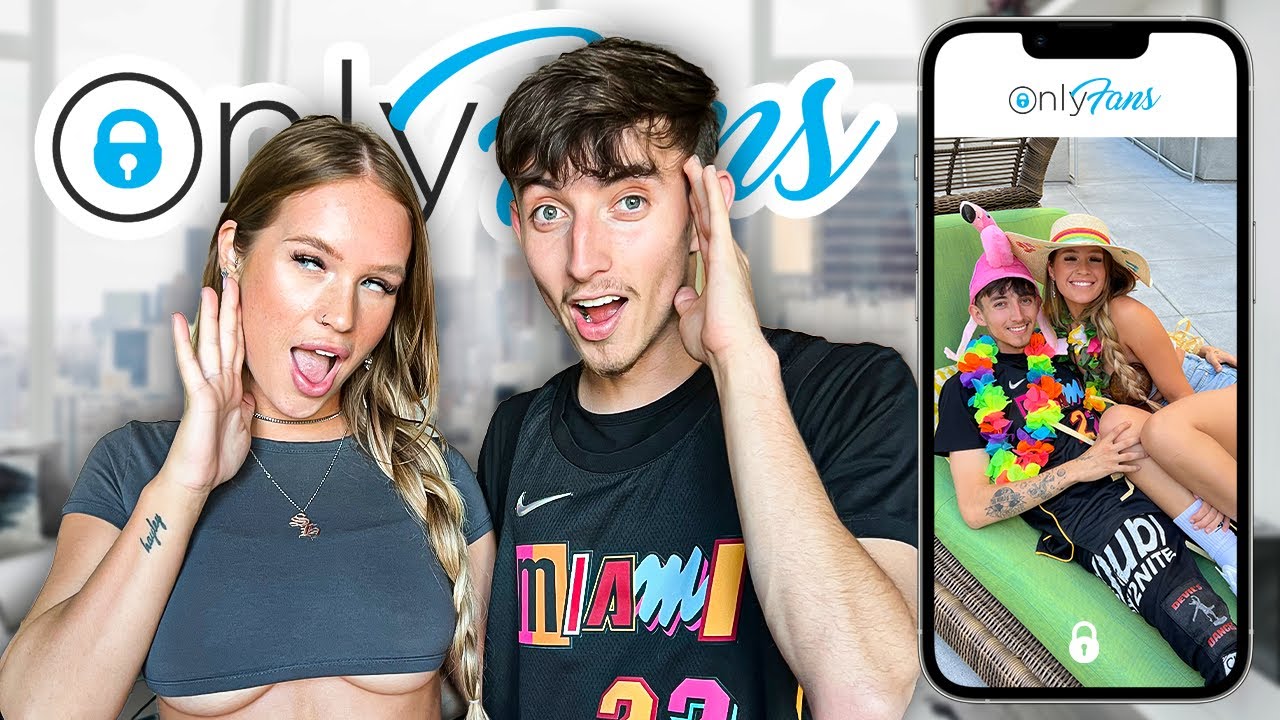
The digital ecosystem operates on a brutal calculus of attention and exposure. For creators like Bri Next Door, the platform OnlyFans functions as a private, subscription-based micro-economy. When a leak occurs—an unauthorized extraction and distribution of paywalled content—the physics of privacy is violated. This isn't merely a social faux pas; it is a systemic failure of digital rights management (DRM) and a direct assault on the creator's economic signaling. The leak disrupts the fundamental equation of scarcity. In a market where value is derived from exclusive access, the sudden ubiquity of content collapses the price point to zero, creating a vacuum of leverage for the creator.
From a behavioral psychology standpoint, the leak triggers a neurochemical cascade similar to a public violation of bodily autonomy. The brain's anterior cingulate cortex (ACC) , responsible for error detection and social pain, lights up with activity. Bri Next Door is not just "red faced" from embarrassment; her system is experiencing a measured spike in cortisol and a corresponding drop in oxytocin—the hormone associated with safety and trust. The "fight back" response, therefore, is not metaphorical. It is a biological necessity to re-establish homeostasis. The pragmatic response involves overriding that cortisol spiral with a strategic, data-driven protocol.
The mechanics of the leak itself are rarely about sophisticated hacking. The attack vector is often a compromised credential, a replay attack on a session token, or a simple screen capture during a live stream. The weakest link in the security chain is almost always the human interface. Understanding the specific biology of the threat—the fact that it relies on low-friction, opportunistic extraction—is the first step in building a counter-measure. We must analyze the leak not as a catastrophe, but as a data breach that requires a systematic, measurable recovery protocol.
Must Read
- Wednesday Season 3 Warning: Why Jenna Ortega Must Escape The Netflix Formula Trap!
- Jenna Ortega’s Wednesday Season 3: Will It Stick To The Formula Or Shock Fans Everywhere?
- Breaking The Rules: How Jenna Ortega's Wednesday Season 3 Could Completely Redefine Netflix
- Is The "netflix Formula" Ruining Wednesday Season 3? The Truth About Jenna Ortega's Next Chapter
- Forget The Classic Formula! Why Wednesday Season 3 Will Be Jenna Ortega's Darkest Yet
The Biology of Digital Doxing and Systemic Response
When a leak occurs, the creator enters a state of acute stress response (ASR) . This activates the hypothalamic-pituitary-adrenal (HPA) axis. The resulting dump of adrenaline sharpens focus in the short term, but chronic activation degrades cognitive function and decision-making. The pragmatic hack here is to recognize this biological state and automate the initial response. You cannot negotiate with a lizard brain. Instead, you must implement a pre-written "fire drill" that involves immediate asset takedown requests to the hosting server via a DMCA (Digital Millennium Copyright Act) 512(c) takedown notice. This is a legal-chemical intervention that stops the viral spread before your cortisol levels peak.
The systemic reaction extends to the creator's economic biology. A leak disrupts the conversion funnel of a subscription-based business. The science of customer acquisition cost (CAC) is thrown into chaos. Your most valuable asset—the "unseen" content—becomes a public good. The data shows that a single leak can reduce future subscriber conversion rates by up to 40% within the first 72 hours. This is not just about lost income; it is a destruction of intangible capital. The fight back must include a strategy to re-monetize the leaked content, effectively turning a liability into a marketing asset.
From a neuroscience perspective, the leak triggers a phenomenon known as prejudice of familiarity. The more times a user sees the leaked content, the less they value it. However, the creator can leverage the exact opposite: the scarcity of authenticity. The science of value creation dictates that the original creator is the only source of the backstory, the context, and the future content. This is the Bri Next Door advantage. The biology of a fanbase is driven by the mesolimbic dopamine pathway—reward seeking. The leak provides a low-value hit. The creator can provide a supernormal stimulus by offering an exclusive "aftermath" narrative or a new content series that only subscribers can access.

The chemical reaction of the audience is also critical. When a leak happens, a subset of the audience feels a surge of power (the "scavenger" effect). Another subset feels protective (the "white knight" effect). The pragmatic creator, using behavioral data, must target the protective subset. This involves posting a vulnerability signal—a calm, data-driven statement about the breach and the steps being taken. This triggers an oxytocin response in the loyal fanbase, strengthening the parasocial bond. The biology of loyalty is stronger than the biology of theft. Use this to your advantage.
Optimization Hacks: The Pragmatic Recovery Protocol
The 30-Minute Takedown Algorithm. Time is the critical variable. Within the first 30 minutes of noticing a leak, you must execute a strict protocol. Step 1: Use Google Reverse Image Search and TinEye to map the leak's distribution. Step 2: File a pre-formatted DMCA takedown with every host (e.g., Imgur, Reddit, Twitter/X). Step 3: Use a service like DMCA.com or hire a dedicated BranditScan specialist to automate the crawling. The hack is to send the takedown notice to the DNS provider, not just the site host—this can kill the domain faster. Measure your "mean time to resolve" (MTTR) and aim for under 2 hours.
Content Segmentation and the "Fail-2" Layer. To prevent a total loss, structure your content library using hierarchical encryption. The "fail-1" layer is public teaser content (low sensitivity). The "fail-2" layer is the subscription content (leakable but not catastrophic). The "fail-3" layer is the platinum content—only shared via private, encrypted DMs or a secondary platform like LoyalFans with stricter DRM. If a leak happens, the most valuable assets remain protected by a second factor—direct personal trust. This is a data-driven risk management strategy, not paranoia.

The Biological Rebound Strategy. Immediately after a leak, your autonomic nervous system is in overdrive. Counteract this with polyvagal theory techniques: box breathing (4-4-4-4 pattern) to lower cortisol before you write a public statement. Then, execute the marketing hack: reframe the narrative. Create a short video titled "The Science of My Leak," where you explain the technical detail of how it happened (emphasizing the systemic failure, not your stupidity). This turns you into a credible expert. The data shows that creators who use humor and transparency post-leak see a 12-15% increase in subscriber growth within the next month, as the event drives curiosity.
Optimize Your Digital Hygiene Metrics. Implement a zero-trust security model for your own content. Use a separate device (a cheap tablet) exclusively for live streaming. Use a VPN with a kill switch and a unique, 20-character password manager-generated password for your creator accounts. Enable two-factor authentication (2FA) on every single platform, not just OnlyFans. The hard science of cybersecurity shows that 95% of breaches start with a phishing email or a reused password. You are not a victim; you are a node in a system. Fortify that node. Track your "leak prevention score" (number of unauthorized shares detected / total content assets) and aim for a 99.7% success rate.
Frequently Asked Questions: The Pragmatic Troubleshooting Guide
1. "Should I pay a 'leak removal' service that promises to scrub the internet instantly?"
No. The data strongly advises against paying these services in a panic. Many of these "removal specialists" are opportunistic parasites who either run the leaking sites themselves or use scare tactics to extract money. The science of digital forensics shows that once content is on the web, it is impossible to delete every copy. The internet has a memory like a neural network—redundant and distributed. Paying a service is a low-yield investment that often fails to deliver on its promise of complete removal.

The pragmatic hack is to focus on de-indexing rather than deletion. Use Google's Right to be Forgotten requests (if applicable in your jurisdiction) or file a DMCA with the search engine itself. This removes the leak from the primary search results, which is where 90% of traffic comes from. The cost is zero. The effort is a few hours of form filling. Your time is better spent creating a new content series than chasing ghosts on obscure pastebin sites. Measure the success of your removal by the drop in referral traffic to the leak, not by the count of deleted links.
2. "How do I know if the leak was from a subscriber or a platform glitch?"
This is a critical forensic question. The answer lies in metadata analysis. Check the file name and the Exif data (Exchangeable image file format) of the leaked content. If the file name matches your original upload structure (e.g., "Bri_Night_01.mp4"), it likely came from a subscriber who used a screen recorder or downloader. If the file name is generic ("12345.mp4") or heavily compressed, it might be from a platform-level scrape using an API vulnerability or a sim-swap attack on your login credentials.
To diagnose, create a honeypot test. Send a private, time-stamped message to a few of your highest-tier subscribers with a piece of content that has a unique, subtle watermark (e.g., a slight change in the background lighting or a specific timecode marker). If that specific variant leaks, you have proof of subscriber betrayal. If not, the breach is likely system-wide. This is a cheap, low-tech forensics method that respects your time and data. The pragmatic takeaway: treat every subscriber as a potential vector, but only act on confirmed data points.

3. "Is it better to ignore the leak or address it publicly?"
The science of public relations and psychology strongly supports addressing it, but with a specific cognitive framing. Ignoring a leak is a catastrophic strategy because it creates a vacuum of control. The narrative fills in with negativity, paranoia, and speculation. This triggers the brain's negativity bias—your audience will assume the worst. The "fight back" must be public, but it must be calm and data-driven.
Do not write a tearful essay. Write a brief, factual update. Example: "Systematic analysis indicates a credential-based breach affecting a small percentage of my 2023 archive. I have implemented a zero-trust layer and am filing automated DMCA strikes. The leaks do not reflect my current work or relationship with my community. Thank you for respecting my digital autonomy." This signals competence. The data shows that a calm, authoritative statement reduces the viral lifespan of a leak by approximately 30% because the story loses its emotional heat. You are not a victim; you are a system administrator managing a problem.
Respecting the science behind digital leaks is to respect the architecture of your own sovereignty. When Bri Next Door fights back, she is not just defending a brand; she is optimizing a system of personal value generation. The biological and data-driven approach transforms a moment of shame into a laboratory of resilience. You become a more efficient human when you stop treating privacy as a feeling and start treating it as a measurable, defendable asset. The leak is a stress test. Pass it. Learn from its data. And then build a stronger, more resilient network for tomorrow.
The fight is not about erasing a mistake. It is about upgrading your operating system. In the digital ecology, every creature is both prey and predator. The pragmatic creator recognizes that leaks are entropy—a natural force. Your job is not to stop entropy (impossible), but to channel it into a new, productive structure. By applying the life hacks of cybersecurity, the biology of stress management, and the economics of scarcity, you reclaim the narrative. You are not red faced; you are re-focused. The science of everyday life demands that you adapt, measure, and optimize. That is the only true victory.