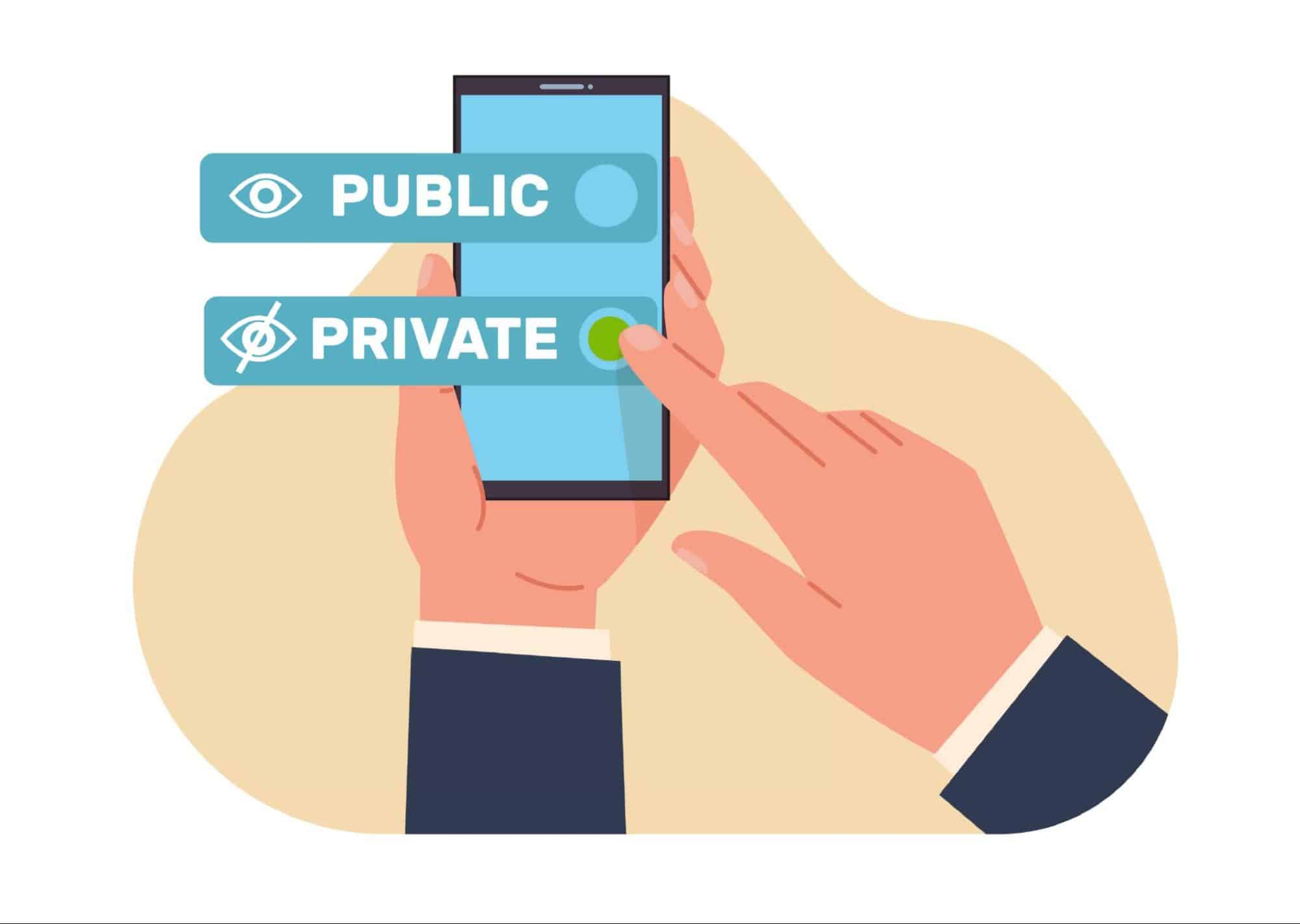
Sensational Parishae Avery Video Sparks Online Frenzy After Private Content Goes Public

In the silent moments between a private thought and a public revelation, there exists a psychological chasm that few of us are prepared to cross. The recent online frenzy surrounding the leaked private content of Parishae Avery is not merely a story of digital piracy or fame; it is a profound mirror reflecting our collective fascination with vulnerability, shame, and the unending hunger for the "uncensored" truth of others. When the boundary between the intimate self and the performative self is violently torn down, we are forced to confront the deeply uncomfortable question: Who are we when we are no longer in control of our own narrative?
This phenomenon is not new, but its intensity is uniquely modern. Our brains are hardwired for social evaluation; the amygdala, that ancient sentinel of threat, lights up with the same ferocity when we perceive social ostracism as it does when we face physical danger. When private content goes public, it triggers a cascade of shame, anger, and helplessness in the subject, while simultaneously activating a voyeuristic reward system in the audience. We are drawn to the private leak not because we are cruel, but because it offers a rare, unscripted glimpse into another human’s raw reality—a reality that feels more "real" than the curated highlight reels we consume daily. Yet, in our consumption, we often forget the human heart still beating behind the screen.
The case of Parishae Avery illuminates a critical, modern truth: privacy is no longer a default state, but a fragile, negotiated boundary. In an era where every moment can be captured and weaponized, the psychological cost of exposure has skyrocketed. For those who find themselves at the center of such a storm, the journey is not just about managing public relations; it is about rebuilding the very architecture of the self—a structure that now has a gaping hole where trust and safety once lived. This article does not seek to dissect the specifics of the leak, but rather to explore the universal psychological terrain we all navigate in a world where the private self can be shattered by a single, unintended click.
Must Read
- Wednesday Season 3 Warning: Why Jenna Ortega Must Escape The Netflix Formula Trap!
- Jenna Ortega’s Wednesday Season 3: Will It Stick To The Formula Or Shock Fans Everywhere?
- Breaking The Rules: How Jenna Ortega's Wednesday Season 3 Could Completely Redefine Netflix
- Is The "netflix Formula" Ruining Wednesday Season 3? The Truth About Jenna Ortega's Next Chapter
- Forget The Classic Formula! Why Wednesday Season 3 Will Be Jenna Ortega's Darkest Yet
The Invisible Wound: Emotional Triggers and the Anatomy of Digital Shame
To understand the reaction to the Parishae Avery video, we must first understand the neurobiology of shame. Shame is not the same as guilt. Guilt whispers, "I did something bad," while shame screams, "I am bad." When private content is forcibly made public, the individual experiences a profound identity rupture. The video or image is no longer a part of a private moment; it becomes a fixed, externally defined label. For many viewers, the trigger is not malice but a defense mechanism—a way to distance themselves from the fear that this could happen to them. By judging, we create an illusion of safety. We tell ourselves, "I would never be that careless," or "I would never share something like that." This cognitive bias, known as the just-world hypothesis, is a mental hurdle that prevents genuine empathy.
The emotional fallout is often layered and invisible to the outside world. First comes the numbness of shock, a psychological anesthetic that protects the mind from the full brunt of the violation. Then, the secondary emotions arrive: paranoia, hyper-vigilance, a sense of being watched even in one's own home. For Parishae, and for anyone in her position, the constant fear of "What else is out there?" becomes a relentless whisper. The brain enters a state of prolonged threat assessment, where every notification, every stranger’s glance, every online mention becomes a potential landmine. This is not drama; it is a clinical symptom of exposure trauma, a condition that mimics the psychological patterns seen in survivors of physical invasion.
Another hidden trigger is the loss of narrative agency. Human beings are meaning-making creatures. We construct stories about our lives to maintain a coherent sense of self. When a private video goes viral, that story is hijacked. The internet writes its own version, often a cruel and simplified one. The real Parishae—the daughter, the friend, the professional, the dreamer—is replaced by a caricature. This erasure of complexity is deeply damaging. It forces the individual into a defensive crouch, spending precious mental energy trying to reclaim a story that no longer feels like their own. The cognitive dissonance between who they know themselves to be and who the world now sees is a source of deep, isolating anguish.
Finally, we must address the societal collusion in this pain. The digital mob often rationalizes its behavior by citing "public interest" or "accountability," but these are often masks for a more primitive urge: the desire to see someone else fall. This is rooted in schadenfreude, a psychological phenomenon where we take pleasure in the misfortune of others, often because their downfall levels a perceived social hierarchy. In consuming the Parishae Avery video, some viewers are participating in a ritual of social leveling. Understanding this uncomfortable truth is the first step toward ethical witnessing. To watch with empathy is not to condone the content, but to recognize the shared humanity in the subject—a humanity that does not vanish with the loss of privacy.

Rebuilding from the Inside: Actionable Coping Mechanisms and Mindset Shifts
If you find yourself in the unthinkable position of having your private life exposed, the first and most critical step is to disconnect from the immediate digital environment. Step away from the comments. Turn off notifications. Close the tabs. Your brain, flooded with cortisol, is in no state to process external noise. The priority is not to "manage the story" but to manage your nervous system. Breathe deeply, engage in grounding techniques—name five things you can see, four you can touch. This is not avoidance; it is triage. You are pulling yourself out of the fire to assess your injuries before you decide how to rebuild.
The next phase involves a profound cognitive reframe: separate your identity from the content. The video or image is a fragment of your life, not the whole of your being. It is a moment, not a definition. One powerful exercise is to write a letter to yourself—not to the internet, not to the critics—but to the version of you that is hurt. In that letter, acknowledge your shame without judgment. Say to yourself, "I am embarrassed, and that is a valid emotion. But embarrassment is a feeling, not a verdict." This act of self-compassion is neurologically significant; it activates the brain’s caregiving circuits and reduces the intensity of the shame response. You are not "the leaked person." You are a person who experienced a leak.
Implement a strict and sustainable digital boundary routine. For the first few weeks, designate a "safe proxy" to monitor your mentions and accounts. This removes the compulsive urge to "check" while allowing you to stay informed at a safe distance. Simultaneously, create a physical sanctuary—a space in your home where no screens are allowed. In this space, reconnect with the sensory world: cook a meal, pet an animal, feel the sun on your skin. These activities rebuild the sense of being an embodied, real person, not a disembodied digital artifact. The goal is to re-inhabit your body, which the violation may have made you feel foreign to yourself.
Finally, and perhaps most importantly, consider this a catalyst for radical personal growth. While never wished for, a crisis of this magnitude can be a brutal, clarifying teacher. It forces you to confront the question: Whose validation was I actually seeking? For many, the fear of exposure is rooted in a deep need for external approval. When that approval is catastrophically withdrawn, the only option left is to build an internal foundation of worth that is unshakeable. This is the work of a lifetime, but it begins with a single decision: I will not let this break me, but I will let it change me. Seek a therapist who specializes in trauma and digital reputation. Join a support group (there are discreet, online communities for this). Let your story of survival, not your story of shame, become your new narrative.

Navigating the Current: Frequently Asked Questions on Mental and Emotional Grounding
How do I stop the compulsive urge to read comments and monitor the situation?
This urge is a manifestation of a psychological phenomenon known as uncertainty monitoring. Your brain is desperately trying to regain control by gathering data. It believes that if you know what is being said, you can somehow prepare for the next blow. However, this strategy backfires, flooding you with more anxiety. The antidote is not willpower, but replacement. When you feel the urge to check, set a timer for 10 minutes and engage in a high-sensory activity—take a very cold shower, squeeze a stress ball, or listen to a loud song. This redirects the brain's focus from social threat to physical sensation. Enlist a trusted friend to act as a "news filter" who checks for you only once a day and reports only what is necessary for your safety, not for your torment.
Another effective technique is the "third person" perspective shift. Imagine you are a compassionate observer watching a close friend go through this exact ordeal. What would you tell them? "Do not read the comments. They are not about you; they are about the commenters' own fears." Apply this same advice to yourself. Write the phrase "I am not required to witness my own violation" on a sticky note and place it on your phone or computer. This externalizes the rule and makes it easier to follow when your resolve weakens. Remember, your brain’s desire to "know" is not a command; it is a suggestion you can choose to ignore for the sake of your own well-being.
Will I ever feel safe or trust people again after such a public betrayal?
Trust, after a profound violation, is not a light switch that can be flipped back on. It is a muscle that must be slowly, carefully re-strengthened. The initial phase often involves a healthy generalized distrust—a protective shield. You may feel suspicious of friends' intentions, wary of future relationships, and hyper-vigilant about who has access to your digital life. This is a normal, adaptive response. Do not try to force yourself to "get over it." Instead, acknowledge that your trust system has been shattered and needs to be rebuilt from scratch, brick by brick. Start by trusting yourself again—trust that you can survive difficult emotions, trust that you can set and enforce boundaries.
Rebuilding trust in others must be done incrementally. Begin with low-stakes interactions. Share a minor vulnerability with a person who has shown consistent support and observe how they handle it. Do they respect your privacy? Do they listen without judgment? Each positive data point slowly rewires your brain's association between vulnerability and safety. It is also crucial to distinguish between trust in individuals and trust in systems. You may never fully trust a cloud storage service or a messaging app again, and that is a rational response. The goal is not to return to a state of naive openness, but to develop a discerned trust—the wisdom to know exactly who and what is worthy of your innermost self.

How do I handle the feeling that my body or my private moments are "owned" by the internet now?
This is one of the most piercing psychological wounds of digital exposure: the sensation of loss of bodily autonomy. Your image, your voice, your intimate gestures now exist as public data, accessible to anyone. This can create a feeling of profound disembodiment, as if a part of you has been stolen and put on display. The first step in reclaiming this is a ritual of symbolic reclamation. Find a physical representation of your body—a photograph of yourself before the event, a piece of jewelry, or even a quiet space—and verbally declare, "This is my real body. The image circulating is a copy, not the original. My soul still lives in this physical form." This may feel awkward, but it helps re-anchor your identity in your physical presence, not your digital projection.
Actively engage in activities that reinforce your bodily sovereignty. Practice yoga or dance—not for a camera, but for the pure sensation of movement. Wear clothes that make you feel powerful and protected. Spend time in nature where there are no screens. The goal is to create new, positive, private memories of your body that are entirely yours. Over time, the leaked content will become one story among many, not the defining story. You are the curator of your own body's history, and you can choose to prioritize the chapters you write with intention, rather than the chapter that was written for you by an outsider. Your body is your own home, and you can always redecorate the walls.
Is it unhealthy to "ignore" the situation and pretend it isn't happening?
Complete denial—acting as if nothing happened—is generally not a sustainable long-term strategy, but it can be a valuable short-term survival mechanism. In the immediate aftermath, the mind needs a break from the trauma. A few days or even a week of purposeful distraction—watching comforting movies, doing puzzles, being with safe animals—can be deeply restorative. This is not "ignoring"; it is psychological triage. However, prolonged, rigid denial can lead to a delayed emotional explosion. The suppressed shame and anger will inevitably find a way out, often in less healthy forms such as anxiety attacks, substance use, or explosions of rage at loved ones.
The healthier path is integration, not suppression. This means carving out dedicated, safe time to feel the emotions without being consumed by them. Set a timer for 15 minutes each day. During that time, allow yourself to cry, journal, or simply sit with the discomfort. When the timer goes off, consciously shift to a grounding activity. This structured approach teaches your brain that you are larger than the pain. You can touch the wound, acknowledge it, and then choose to step away. Over weeks and months, the intensity of the emotional charge diminishes. The event becomes a scar, not an open gash. The goal is not to forget, but to remember without being destroyed.

How can I support a friend or loved one going through a similar public exposure crisis?
The most powerful support you can offer is unconditional, non-judgmental presence. Do not start sentences with "You should..." or "Why did you..." These, even if well-intentioned, imply blame. Instead, say, "I am here. I am not going anywhere. You don't have to explain anything to me." Your primary role is not to solve the problem, but to share the emotional load. Offer specific, concrete help: bring meals, manage their email for a day, sit silently with them while they scroll through the awful things that have been said (so they don't have to face it alone). Avoid asking for details about the content itself unless they freely offer them; the focus should be on their feelings, not the graphic nature of the leak.
Psychologically, you serve as an anchor to their pre-trauma identity. Remind them of who they were before this happened. Tell them a story from a happy time in your shared history. Help them reconnect with the parts of themselves that are untouched by the scandal—their humor, their kindness, their hobbies. Also, protect your own mental health. Secondary trauma is real; you may need to step away and recharge to be a sustainable support. Set boundaries firmly: "I will always be here for you, but I cannot talk about this after 10 PM because I need to sleep to be strong for you tomorrow." This models healthy limits, which they desperately need to learn to set for themselves again.
The journey through a public privacy violation is not a linear path from victim to survivor. It is a spiral, where you will revisit the same painful lessons, but each time from a slightly higher vantage point. The person who emerges on the other side of this fire is profoundly different: they have walked through the valley of public judgment and discovered that the only opinion that ultimately matters is their own. They learn that privacy is not about hiding; it is about the sacred right to choose who sees your heart. The nightmarish exposure forces a clarity that few ever achieve: the understanding that our worth was never located in our secrets, but in our unshakable capacity to survive their revelation.
Mastering this terrain is not about becoming immune to shame or immune to the opinions of others. It is about developing a radical, defiant self-possession. It is the quiet strength to say, "This happened to me, but it does not define me. I am still here. I am still whole. I am still worthy of love, privacy, and peace." For Parishae Avery, and for anyone caught in the glare of unwanted public attention, the real victory is not in scrubbing the content from the internet (a near-impossible task), but in scrubbing the shame from the soul. That is the work of art, the work of healing, and the work of becoming a human being who can stand tall in the wreckage and say, with trembling but genuine conviction, "I am still my own."