Ultrasound Tech School: Best Programs, Tuition Costs, And Degree Paths

Ever wondered what it’s like to be a real-life baby-image whisperer? Like, peeking into a secret world before it even pops out? That’s kinda what ultrasound techs do! And guess what? You could totally be one. No cape required, but you’ll wield a magic wand of sound waves. Pretty cool, right?
So, you’re thinking, “Ultrasound tech? Tell me more!” Well, buckle up, buttercup, because we’re diving into the nitty-gritty of ultrasound tech school. We’re talking about the programs that’ll make you a pro, how much your piggy bank will weep (or not!), and the different ways you can get your sonic-savvy on.
The “Wow, That’s Actually Amazing” Part of Ultrasound
Seriously, imagine this. You’re guiding this little probe, and BAM! A tiny heartbeat appears on a screen. Or maybe a cool kidney, or a swooshing blood vessel. It’s like being a detective, but your clues are made of sound! Plus, you get to make people’s day by showing them their soon-to-be bundle of joy. Talk about a feel-good job!
Must Read
- Wednesday Season 3 Warning: Why Jenna Ortega Must Escape The Netflix Formula Trap!
- Jenna Ortega’s Wednesday Season 3: Will It Stick To The Formula Or Shock Fans Everywhere?
- Breaking The Rules: How Jenna Ortega's Wednesday Season 3 Could Completely Redefine Netflix
- Is The "netflix Formula" Ruining Wednesday Season 3? The Truth About Jenna Ortega's Next Chapter
- Forget The Classic Formula! Why Wednesday Season 3 Will Be Jenna Ortega's Darkest Yet
And it’s not just about babies, although, let’s be honest, baby ultrasounds are kinda the rock stars. They can look at pretty much everything inside you. Brains, hearts, livers, you name it. It’s like a high-tech peek-a-boo for your insides. So, if you’re curious by nature and don’t mind a bit of science, this might be your jam.
Finding Your Awesome Ultrasound Program
Okay, so you’re sold. You want to learn the ways of the ultrasound wizard. Where do you even start? There are tons of schools out there, and not all of them are created equal. You want one that’s legit, you know? Accredited. That’s the magic word.
Look for programs accredited by the Commission on Accreditation of Allied Health Education Programs (CAAHEP). Think of them as the ultimate stamp of approval. It means they’ve met some seriously high standards. And your future employer will totally dig that.
Some top-notch schools are scattered across the country. You might find gems at community colleges, universities, and even some specialized diagnostic medical sonography schools. It’s all about finding the one that fits your vibe and your location. Maybe you’re a big city person, or perhaps a cozy campus is more your speed. Your perfect program is out there!
The Degree Paths: Your Ultrasound Journey Options
So, what kind of learning adventure are we talking about? You’ve got a few main roads to travel down. Each one gets you to the same awesome destination: becoming a skilled ultrasound tech.
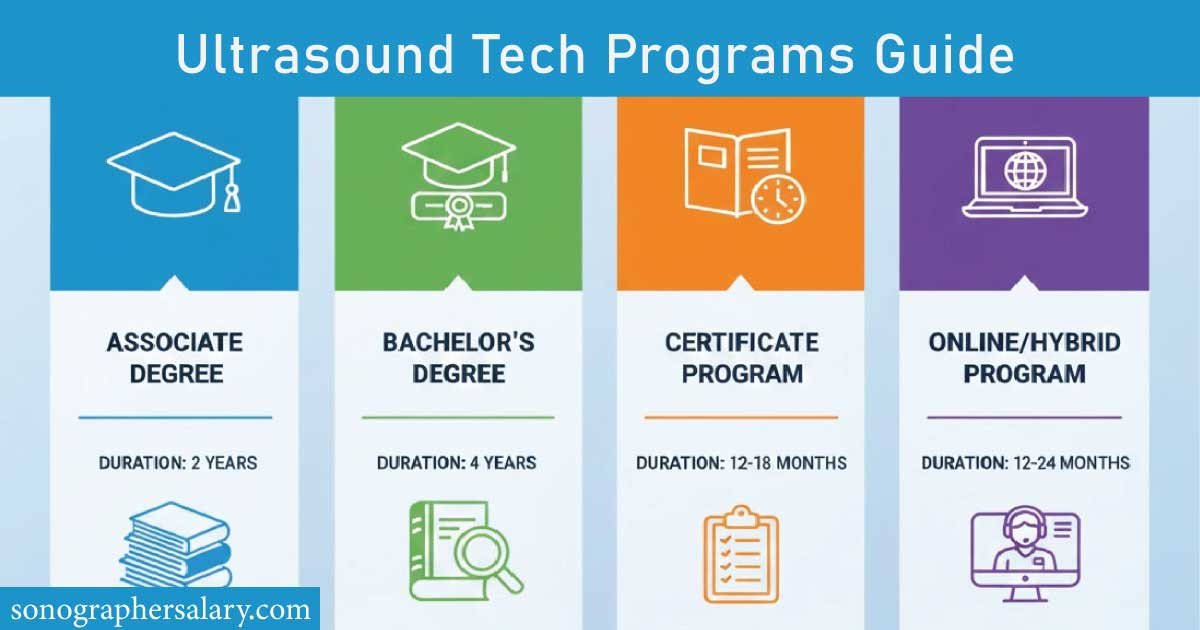
The Associate’s Degree: The Speedy Track
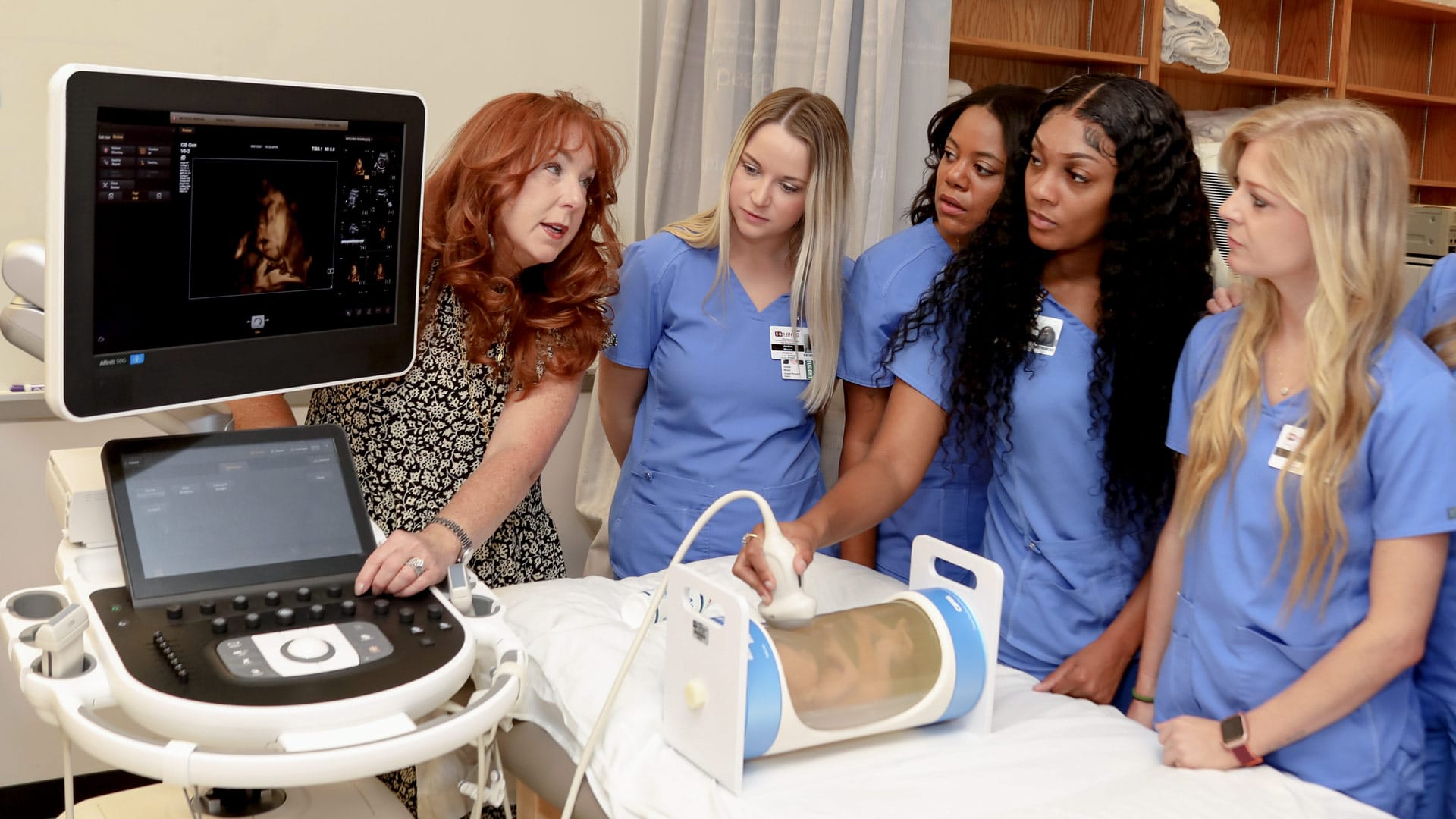
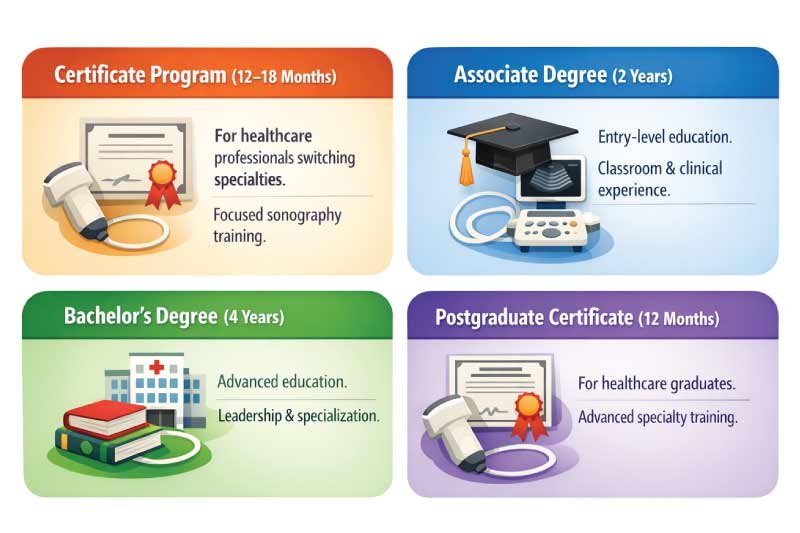
This is usually a two-year program. It’s a solid foundation, giving you all the essential knowledge and hands-on skills you need to get started. Think of it as your quick-start guide to sonography.
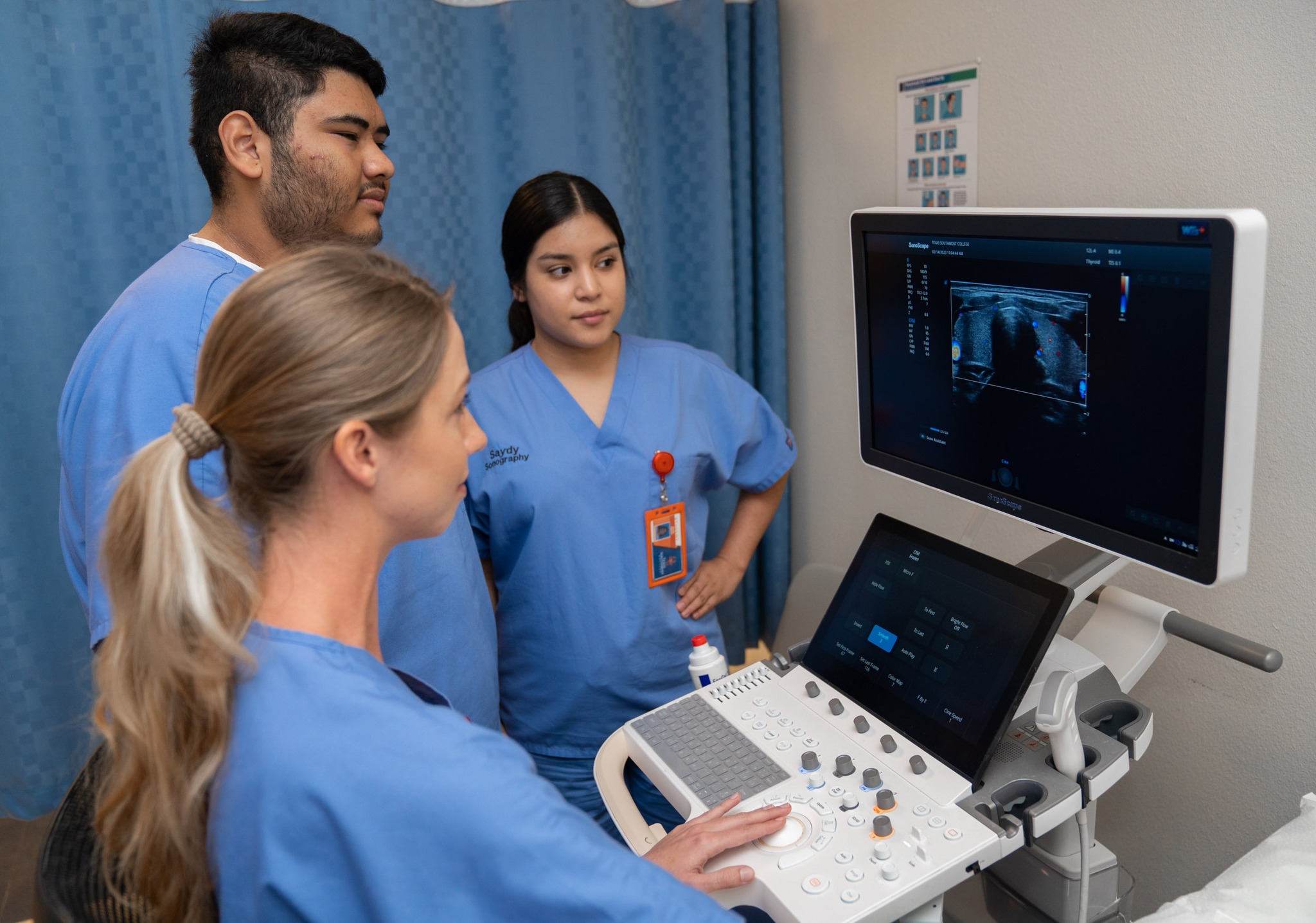
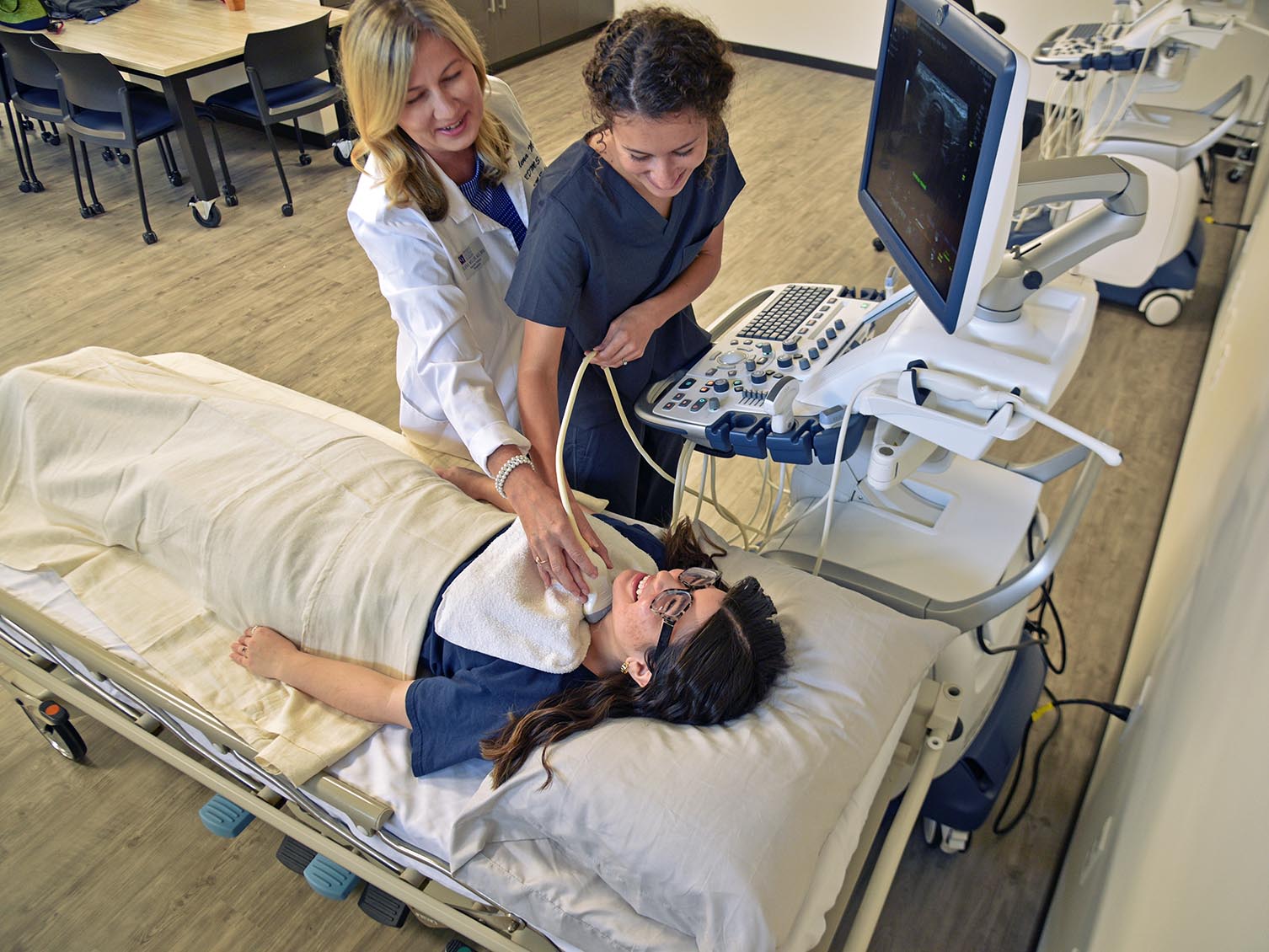
You'll learn the science behind ultrasound waves, how to operate the fancy machines, and how to interpret those wiggly lines and shadows on the screen. Plus, you’ll get some supervised clinical experience, which is like your internship. You’ll be practicing on real people (under a watchful eye, of course!).
This is a super popular choice because it's quicker and often more affordable. You can be out there saving the day (or at least scanning it!) in no time.
The Bachelor’s Degree: The Deeper Dive
Want to go even further? A four-year bachelor’s degree might be your ticket. This path offers a more in-depth understanding of sonography, plus broader coursework in science and healthcare.
You might get more advanced training in specific areas, like cardiac sonography or vascular sonography. These degrees can sometimes open doors to more specialized roles or even supervisory positions down the line. If you’re thinking long-term career growth and a bit more academic exploration, this could be the way to go.

It's a bigger time commitment, for sure, but some folks just love to learn! And hey, a bachelor's degree is always a good look.
Certificate Programs: The Focused Fast Track
Got a related healthcare background, or maybe you’re looking to specialize? A certificate program could be your answer. These are usually shorter, focusing intensely on diagnostic medical sonography.
They're often for people who already have a degree in another healthcare field and want to add ultrasound skills to their repertoire. Or maybe you’ve already got your associate's and want to get certified in a specific area. These programs are super targeted and can get you into the job market relatively quickly.
Think of it as a specialized skill upgrade. Like adding a turbo boost to your career!
Tuition Costs: The “Let’s Talk Money” Bit
Ah, the million-dollar question (or maybe just a few thousand). How much does this whole ultrasound tech school adventure cost? It’s not a one-size-fits-all answer, sadly. But we can give you a ballpark.

Community colleges tend to be the most budget-friendly. You might be looking at anywhere from $5,000 to $20,000 for an associate’s degree. It’s a fantastic way to get quality education without breaking the bank.
Four-year universities will typically cost more. For a bachelor’s degree, you could be looking at $40,000 to $100,000 or even more, depending on whether it's a public or private institution. Ouch, right? But remember, this is a four-year investment.
Certificate programs vary wildly. They can range from a few thousand dollars to over $15,000. It really depends on the length and the reputation of the school.
Important note: These are just estimates! Costs change, and schools have different fees. Always, always, always check directly with the schools you're interested in. Get their official tuition details. And don't forget to ask about financial aid, scholarships, and payment plans!
Quirky Facts and Fun Tidbits
Did you know that the first medical ultrasound was performed way back in the 1950s? It was used to detect tumors. Talk about pioneers!
And the term “sonography” comes from the Latin word “sonus,” meaning “sound.” So, you’re literally a sound artist!
Also, the little gel they put on you? It’s not just for show. It helps the sound waves travel better from the transducer (that’s the wand thingy!) to your body. Without it, it'd be like trying to talk through a brick wall – no good signals!
Plus, think about the sheer variety! You've got general sonographers, cardiac sonographers (heart wizards!), vascular technologists (blood vessel pros!), and even people who specialize in breast imaging or musculoskeletal sonography. It’s a whole universe of tiny, sound-based universes!
Is Ultrasound Tech School Right for You?
If you’re someone who’s:
- Curious about the human body.
- Good with technology.
- Detail-oriented.
- Calm under pressure.
- Friendly and can put people at ease.
Then, seriously, you might be a natural-born ultrasound tech. It’s a career that’s in demand, offers good job security, and lets you do genuinely cool stuff every single day. You’ll be the one holding the magic wand, revealing hidden worlds, and making a real difference.
So, go ahead, explore those programs. Ask questions. Chat with current students or professionals. Your journey into the amazing world of ultrasound might just be a few clicks and a couple of years away. Get ready to make some waves!