What Is A Pilot Salary? Inside Major Airline Compensation Packages
Ever found yourself staring out the tiny airplane window, wondering about the folks up front making it all happen? You know, the ones in those smart-looking uniforms, effortlessly guiding a metal bird the size of a bus through the sky? We’re talking about pilots, of course! And while we’re busy contemplating whether to splurge on the airplane peanuts or if our seatmate is really going to eat that entire bag of chips, a little voice in the back of our heads might whisper, “So, what exactly do they get paid?”
It’s a question that floats around as often as a rogue in-flight magazine. We all have that friend who knows a guy who knows a guy who might have a cousin that’s a pilot. Or maybe you’ve seen a documentary that paints a picture of these sky-high heroes. But the nitty-gritty of pilot salaries? That’s often as mysterious as the Bermuda Triangle itself. Let’s be honest, it’s not like you can just Google “pilot salary” and get the whole story, right? It's more complicated than assembling IKEA furniture on a Tuesday afternoon, and far more exciting than watching paint dry.
Think of it this way: you know how your job has different levels? Like, you start as a junior something-or-other, then maybe become a senior something-or-other, and if you're really lucky, you get to be the "Chief Everything Officer" (okay, maybe not that last one, but you get the drift!). Pilot careers are a bit like that, but with more altitude and a lot less TPS reports. The pay isn't just a single, flat number. It’s a whole symphony of factors, all playing together to make that pilot's compensation package sing.
Must Read
- Wednesday Season 3 Warning: Why Jenna Ortega Must Escape The Netflix Formula Trap!
- Jenna Ortega’s Wednesday Season 3: Will It Stick To The Formula Or Shock Fans Everywhere?
- Breaking The Rules: How Jenna Ortega's Wednesday Season 3 Could Completely Redefine Netflix
- Is The "netflix Formula" Ruining Wednesday Season 3? The Truth About Jenna Ortega's Next Chapter
- Forget The Classic Formula! Why Wednesday Season 3 Will Be Jenna Ortega's Darkest Yet
So, buckle up, folks! We’re about to dive into the fascinating world of major airline pilot salaries. No need for a boarding pass, just your curiosity. And hey, if you’ve ever dreamed of swapping your commute for cruising at 35,000 feet, this might just be your behind-the-scenes peek.
The "It Depends" Factor: What Makes the Pilot Paycheck Ticker Tick?
Alright, let’s get this out of the way: there’s no one-size-fits-all answer to “What is a pilot salary?” It’s like asking “How much does a car cost?” Well, it depends if you’re looking at a souped-up sports car or a reliable minivan that’s seen better days. A pilot’s pay is influenced by a bunch of things, and it’s not just about how many hours they spend with their hands on the controls. It’s a whole intricate dance of experience, aircraft type, airline, and even where they call home base.
Imagine a chef. Does a line cook at a diner earn the same as a Michelin-starred head chef at a fancy restaurant? Nope. The same logic applies to pilots. The more specialized you are, the more you fly, and the bigger the ‘kitchen’ (or in this case, the aircraft), the higher your potential earnings. It’s a career that rewards dedication, skill, and a whole lot of flying time. It's not just about showing up; it's about mastering the craft.
Experience is King (or Queen!)
This is probably the biggest kicker. Think about it: would you rather have a fresh-out-of-flight-school pilot guiding your flight, or someone who’s been navigating the skies for, say, twenty years? Most of us would happily choose the seasoned veteran, and airlines know that too. The more years a pilot has under their belt, the more they're worth. It's like wine – it gets better with age (and flying hours!).
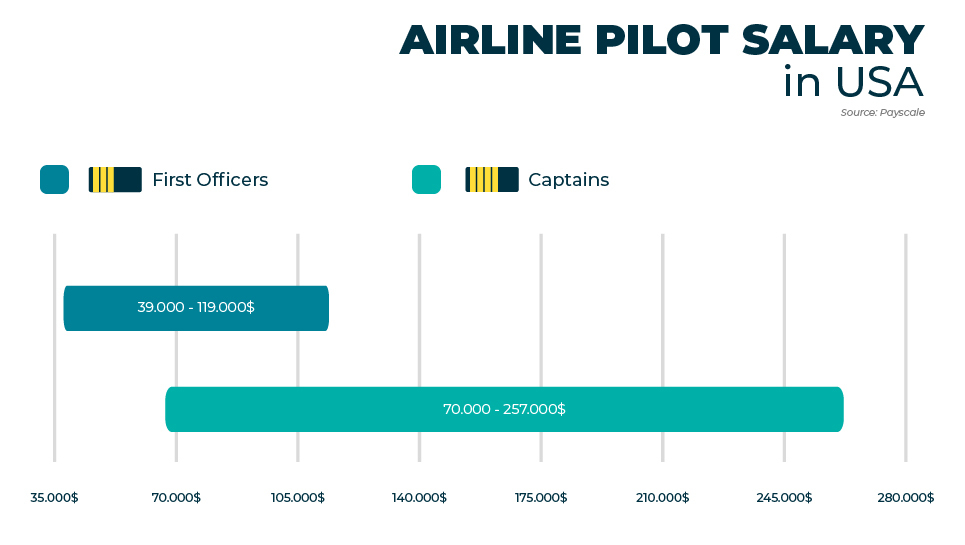
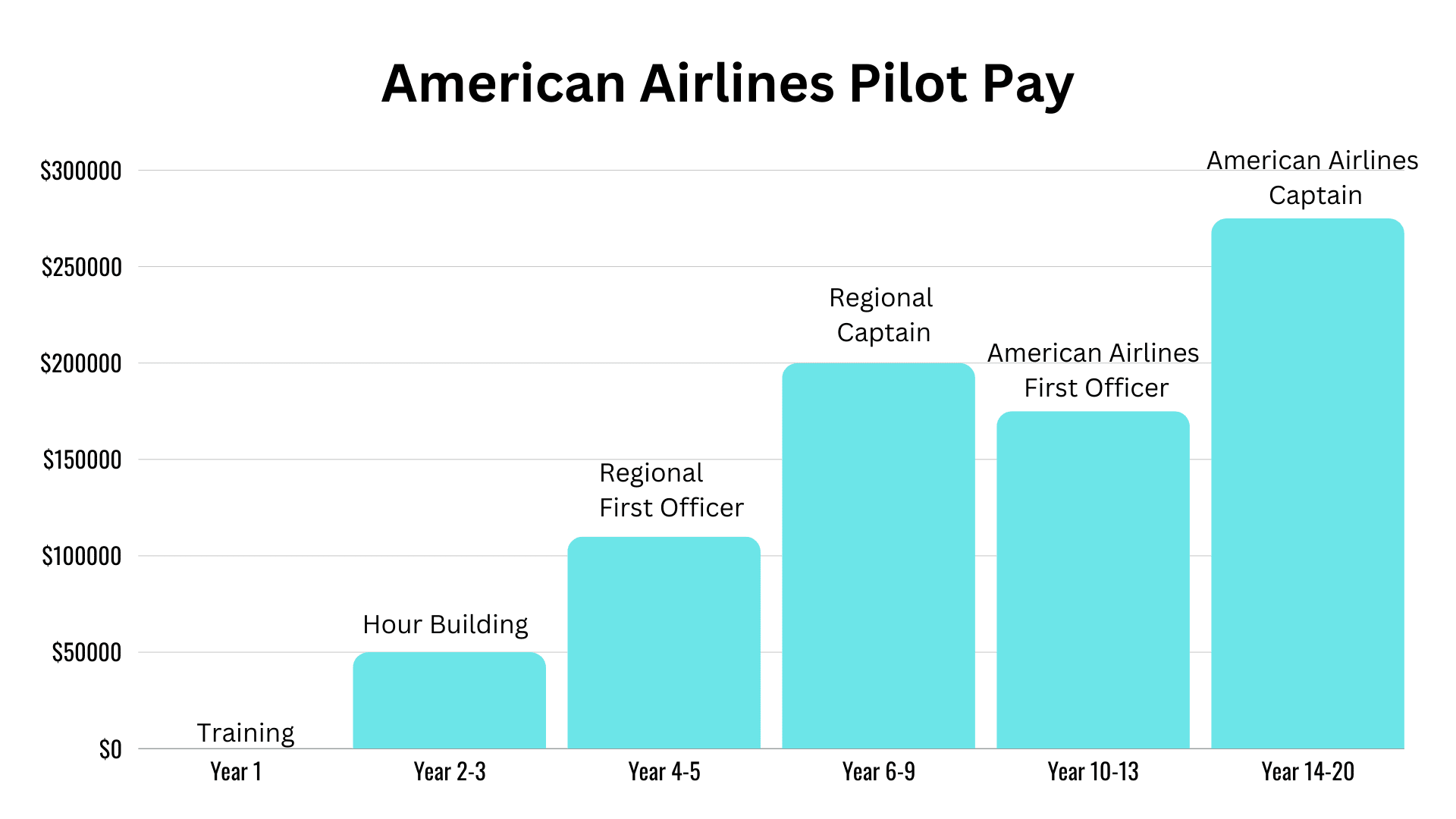
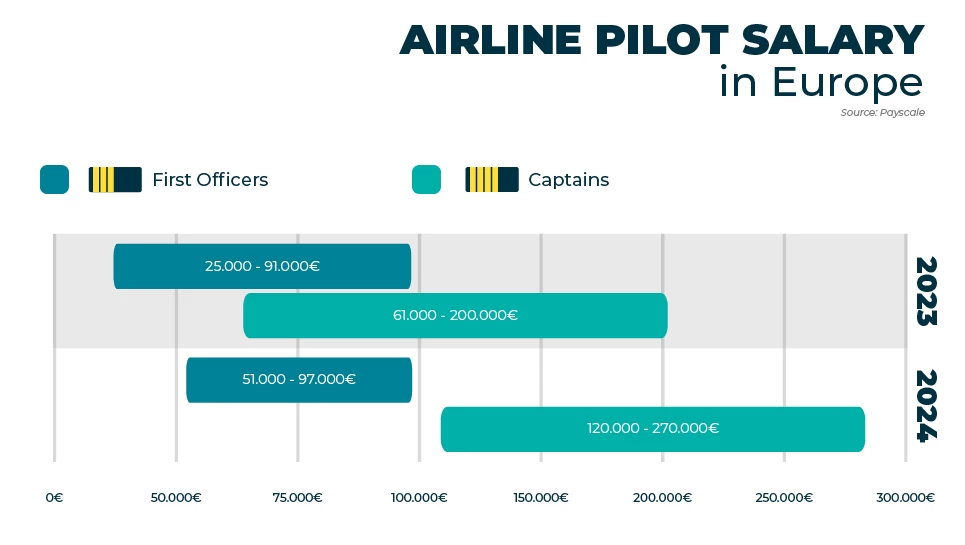
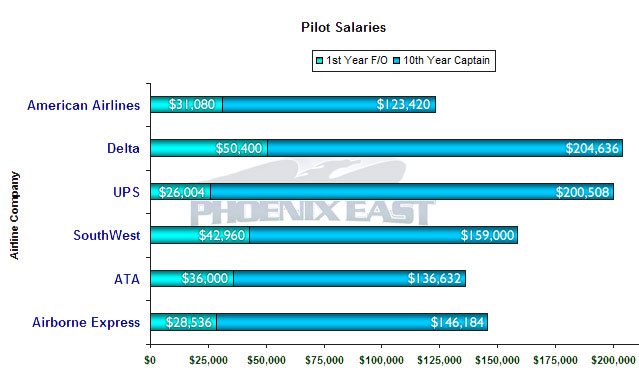
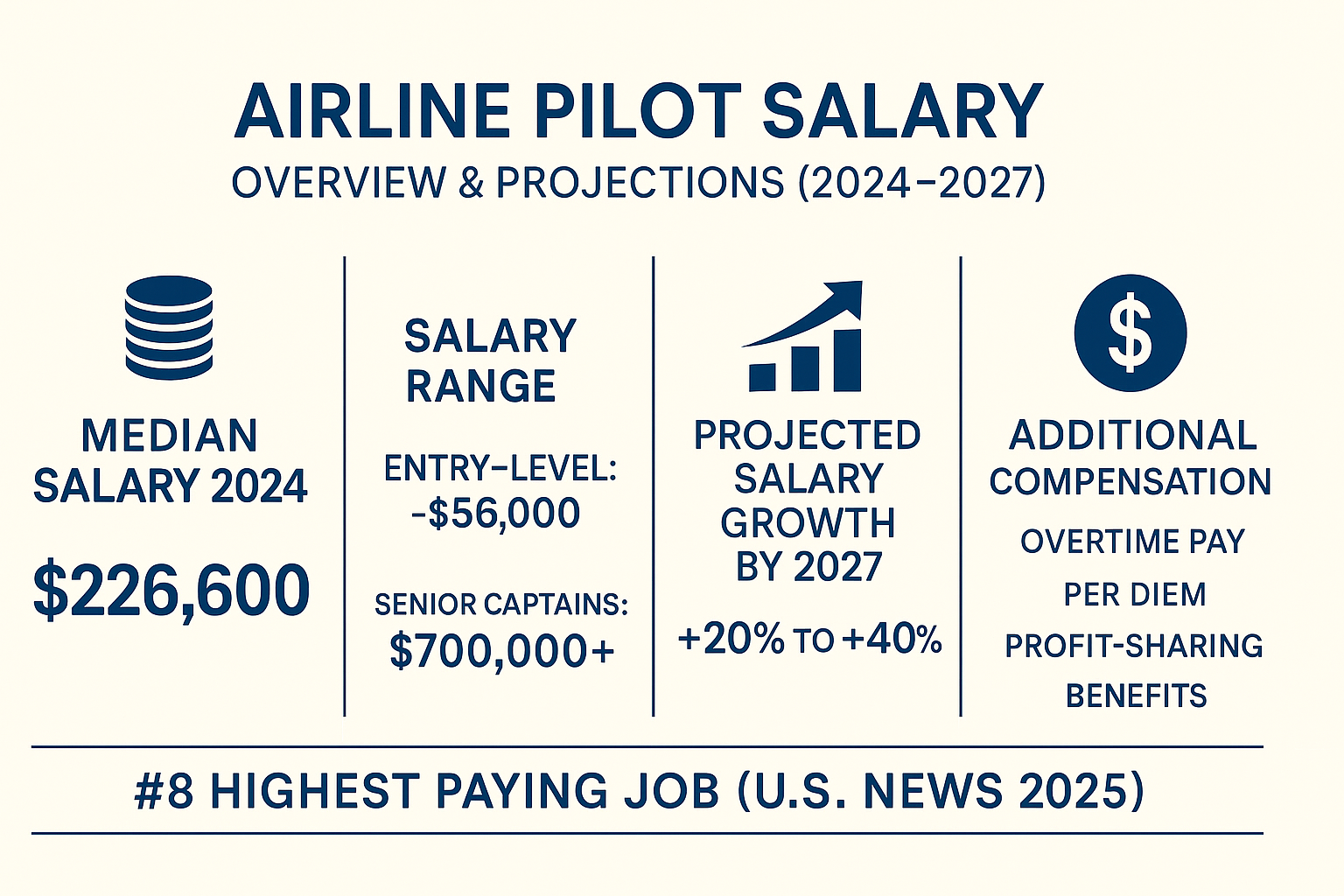
A brand-new pilot, often called a First Officer (or co-pilot), at a major airline might be starting at a salary that’s, well, let’s just say it’s not enough to buy a private island just yet. We’re talking in the ballpark of $60,000 to $90,000 per year. This is their training wheels phase, where they’re learning the ropes, getting familiar with the big jets, and racking up valuable experience. It’s an investment, for both the pilot and the airline.
Now, fast forward a decade or two. That same pilot, who’s proven their reliability, navigated countless thunderstorms (hopefully on the radar!), and maybe even moved up to Captain, is looking at a very different picture. Captains, especially those flying the big, long-haul international routes in massive aircraft like the Boeing 777 or Airbus A380, can command salaries that might make your jaw drop. We’re talking figures that can easily range from $150,000 to $300,000+ per year. That’s the kind of money that buys more than just decent in-flight headphones!

It’s not just about the number of years, though. It’s about the quality of those years. Did they fly smaller planes? Did they gain experience in challenging conditions? All of this adds up. It’s like collecting frequent flyer miles, but for your career resume!
Aircraft Size Matters (A Lot!)
Here’s another juicy tidbit: the type of plane a pilot flies makes a huge difference in their pay. Think of it like this: flying a little puddle jumper that hops between cities is a different beast than wrestling a giant cargo plane or a superjumbo jet across the Atlantic. The bigger, more complex, and more long-haul the aircraft, the higher the pay rate.
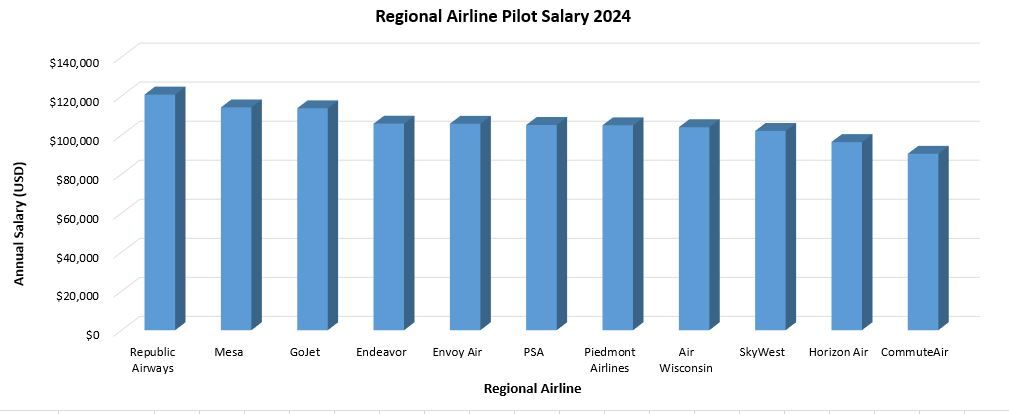
Pilots flying smaller, regional jets for feeder airlines (those are the ones that often fly you to the bigger hubs) will generally earn less than their colleagues flying the big wide-body aircraft. Why? Well, these larger planes are more complex to operate, require more advanced training, and usually fly for longer durations, meaning more time in the air and more responsibility.
A Captain flying a Boeing 737 or an Airbus A320 (those workhorses of domestic travel) will typically earn more than a Captain flying a smaller regional jet. And then you have the giants – the Boeing 777, 787, or the Airbus A350 and A380. These are the big boys, the international carriers, and the pilots flying them are often at the top of the pay scale. They're essentially the CEOs of the cockpit for these massive machines, and their compensation reflects that.
It’s like the difference between driving a go-kart and piloting a semi-truck. Both require skill, but the stakes and the complexity are vastly different, and so is the pay.
The Airline Itself: A Tale of Two Carriers
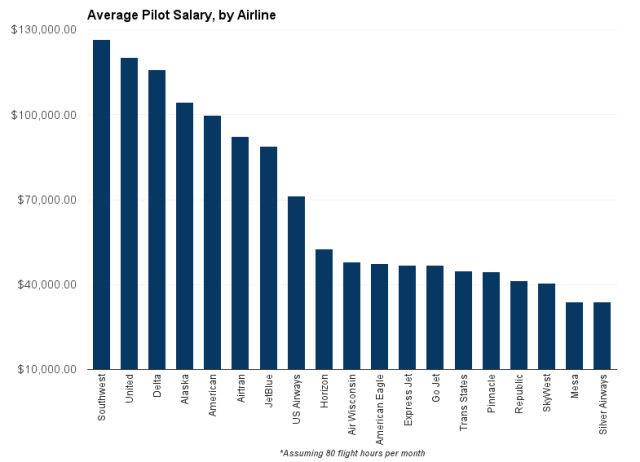
Just like how different restaurants have different price points for their signature dishes, different airlines have different compensation structures. Major legacy carriers (think of the airlines that have been around forever, like American, Delta, or United) generally offer higher pay and more robust benefits packages than newer, low-cost carriers. It’s a bit like the difference between a five-star hotel and a budget motel – both provide a place to sleep, but the experience and the amenities (and the price!) are quite different.

Legacy airlines often have strong pilot unions that have negotiated excellent contracts over the years. These contracts can include things like higher hourly rates, better per diems (that's money for meals and expenses when they're away from home – essentially, their travel allowance), more generous retirement plans, and better healthcare. It’s a whole buffet of benefits!
Low-cost carriers, on the other hand, might offer slightly lower base pay but sometimes compensate with other perks, like more predictable schedules or opportunities for quicker upgrades to Captain. It’s a strategic decision for pilots, weighing immediate pay against long-term career progression and lifestyle. It’s like choosing between a guaranteed bonus now or a potential for a bigger payout later – both have their appeal!
Beyond the Base Salary: The Nitty-Gritty of Compensation Packages
Now, here’s where things get really interesting, and where the pilot compensation package starts to look less like a simple paycheck and more like a treasure chest. It’s not just about the number you see on the W-2 form. There are a whole host of other components that make up a pilot’s overall earnings and benefits. It’s like when you order a meal – you get the main course, but you also get the sides, the drinks, and maybe even a little dessert!
Think about it: when you’re traveling, pilots are away from home for days at a time. They need to eat, sleep, and have some personal time. The airline accounts for all of that, and it shows up in their pay. It’s all about keeping those pilots happy, well-rested, and ready to fly safely. Happy pilots, happy landings, right?
Hourly Pay Rates: The Building Blocks
At the core of most pilot compensation is an hourly pay rate. This is multiplied by the number of hours they are "on duty" or "credited" for flying. However, it's not as simple as just counting every minute the plane is moving. There are different types of pay:
- Flight Duty Pay: This is the main component, paid for the actual hours spent flying.
- Hourly Rates Vary by Rank and Aircraft: As we discussed, Captains and pilots of larger aircraft get higher hourly rates. A First Officer flying a regional jet might earn $50-$100 per hour, while a Captain on a wide-body jet could be pulling in $200-$400+ per hour. It’s like comparing the hourly rate for a barista versus a brain surgeon – different skill sets, different compensation.
So, if a Captain is flying 70 hours a month on a $300/hour rate, that's already $21,000 in flight duty pay for that month alone! But that's just the starting point.

Per Diems: The "On the Road" Allowance
Pilots are constantly on the go. They fly a route, spend a night or two at a hotel in another city, and then fly back or to their next destination. They need to eat, right? And they can’t exactly bring their whole pantry with them. That’s where per diems come in.
A per diem is a daily allowance given to pilots to cover their meals and incidental expenses while they are away from their home base. These amounts can vary significantly between airlines and are often tax-advantaged. They can add up to a substantial portion of a pilot's total earnings, sometimes adding an extra $20,000 to $40,000+ per year, depending on how much they travel.
Think of it as your travel budget, but for someone who travels a lot more than you do. It’s not technically salary, but it’s money in their pocket that helps offset the costs of their nomadic lifestyle. No complaints about the airline food here!
Guaranteed Minimums and Credit Hours: Making Sure They're Covered
What happens if there's a lot of bad weather, or the airline has to cut back on flights? Pilots, especially at the major airlines, often have guaranteed minimums. This means they are guaranteed a certain number of flight hours (and thus, pay) each month, even if they don't actually fly that many. This provides financial stability, which is super important when you have a job that can be so dependent on external factors.
Imagine a salaried employee, but with a floor on their earnings. This is particularly valuable for junior pilots who might not have as many flight hours. It’s a safety net, ensuring they can still make a living even when the flight schedule is lighter than usual. It's like getting paid for showing up, even if your shift is cut short!
Additionally, there are concepts like credit hours. Sometimes, time spent on training, simulator sessions, or even certain types of ground duties can be "credited" as flying hours for pay purposes. It’s all about recognizing the time and effort pilots put in, both in and out of the cockpit.

Bonuses and Other Perks: The Cherry on Top
Like many careers, pilot compensation can also include various bonuses. These might be signing bonuses for new hires, bonuses for taking on specific routes or flying certain aircraft, or even performance-based bonuses. They’re like those surprise birthday gifts that make your day!
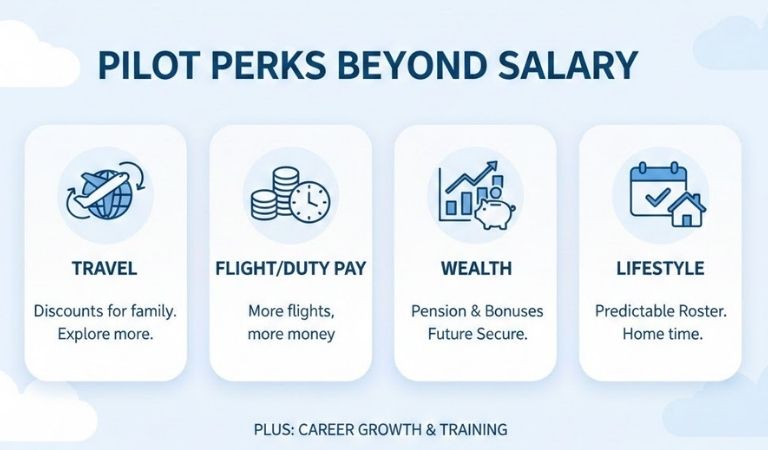
And let’s not forget the other perks. Major airlines often offer highly competitive benefits packages. This can include:
- Excellent Health Insurance: Often covering pilots and their families with top-tier medical, dental, and vision plans.
- Generous Retirement Plans: Think 401(k)s with substantial company matches, and sometimes even pension plans, which are becoming rarer these days.
- Flight Benefits (Buddy Passes!): This is a big one for pilots and their families! They often get heavily discounted or even free flights on their own airline, and sometimes on partner airlines. Imagine being able to hop on a plane to Hawaii for a weekend getaway, no problem! It’s like having a perpetual vacation pass.
- Career Progression and Training: Airlines invest heavily in ongoing training and development, which is essentially a valuable perk in itself, keeping skills sharp and career paths open.
These benefits, while not direct cash in hand, contribute significantly to a pilot's overall financial well-being and quality of life. It's the whole package deal that makes the job attractive beyond just the hourly rate.
The Path to the Left Seat: How Pilots Climb the Ranks
So, how does one go from dreaming about flying to actually piloting a Boeing 777 and earning a six-figure salary? It's a journey, and it’s not for the faint of heart. It requires dedication, a significant investment of time and money, and a whole lot of passion.
The typical path involves:
- Getting a Private Pilot License (PPL): This is the first step, allowing you to fly for personal reasons. Think of it as getting your learner's permit for the sky.
- Accumulating Flight Hours: This is where the real work begins. Pilots need to build up hundreds, and then thousands, of flight hours. This often involves working as a flight instructor, flying for cargo operations, or working for smaller regional airlines.
- Earning Commercial Pilot Licenses and Instrument Ratings: These allow you to get paid for flying and to fly in various weather conditions.
- Getting Hired by an Airline: This is the big leagues! The competition is fierce, and airlines look for pilots with impeccable records, strong skills, and a good attitude.
- Upgrading to Captain: Once at an airline, pilots start as First Officers. They gain experience and seniority until they are eligible to upgrade to Captain, which usually comes with a significant pay increase and more responsibility.
It’s a marathon, not a sprint. And the financial rewards, while substantial at the top, often come after years of hard work and dedication. It’s like waiting for that perfectly aged cheese – it’s worth the wait!
So, the next time you’re on a flight, looking up at those pilots in their cockpit, remember that their salary is a complex equation. It’s a blend of hard-earned experience, flying massive machines, navigating the demands of the industry, and enjoying a pretty sweet set of perks. It’s a career that truly takes flight, both literally and financially!